Whether you’re planning a neighborhood event, organizing a community fundraiser, promoting a local business, or adding a custom inflatable to a family-friendly gathering, one of the first questions you’ll face is cost. The challenge is that custom inflatables don’t follow a standard price list. Two inflatables that seem similar at first glance can have dramatically different price tags.
The difference comes down to several factors, including size, materials, design complexity, production timelines, and shipping requirements. Understanding what drives the price of a custom inflatable can help you set a realistic budget, compare quotes more effectively, and avoid unexpected expenses later in the process.
Here are five key factors that influence the cost of custom inflatables and what you can do to keep your project on budget.

Size and Structural Design
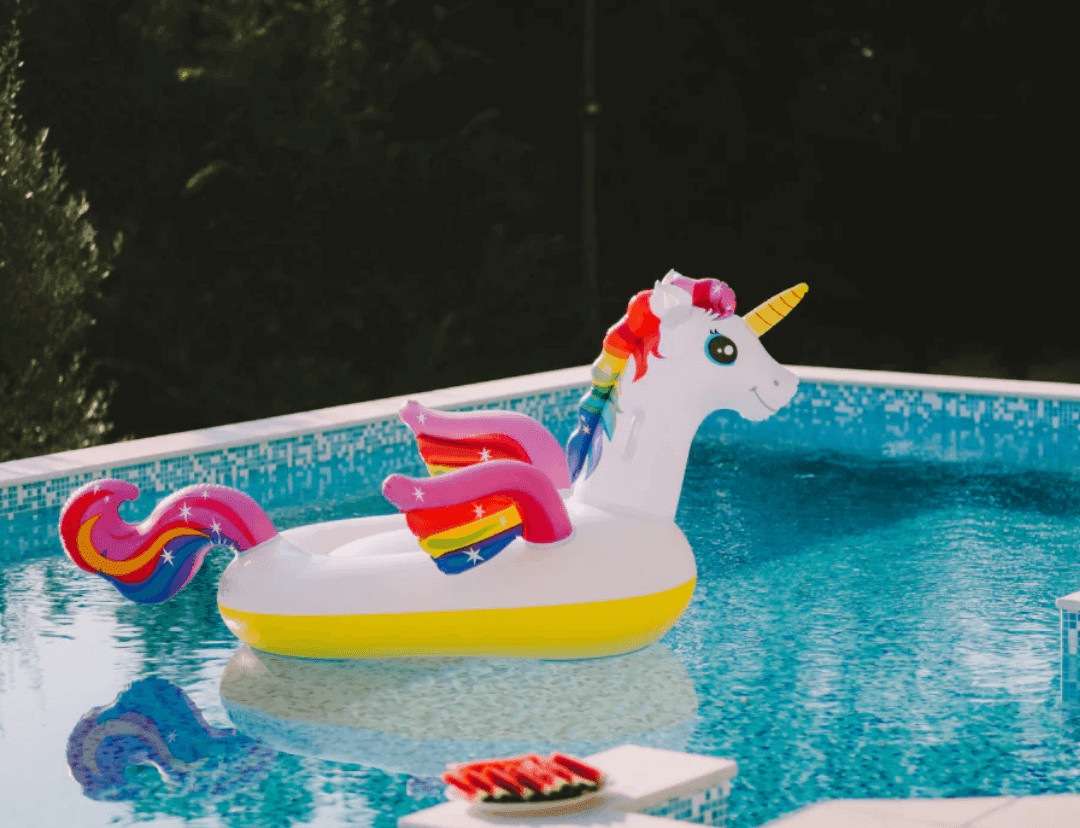
Size and structure both play a major role in custom inflatable pricing. A simple pool float usually costs less to produce than a large branded arch, parade balloon, or sculpted 3D figure because bigger designs require more material, more air chambers, and more production time.
The same applies to structural detail. Flat shapes with clean panels are usually easier and more affordable to make, while inflatables with connected sections, internal support, moving parts, or detailed 3D features need more planning and engineering.
For example, Floatie Kings’ custom blow up inflatables and similar branded designs can vary widely in price depending on whether the goal is a simple logo float or a large, detailed display piece.
The practical takeaway is simple: when the budget is limited, ask whether a simpler shape can still represent the brand clearly. In many cases, a cleaner design can keep costs down while still making the inflatable look professional and recognizable.
Materials and Print Quality
The type of material used in production directly sets the floor for what you’ll pay. Standard PVC is the most affordable option and works well for short-term or indoor use. Heavy-duty nylon or reinforced drop-stitch fabric costs more upfront but holds up far longer in outdoor or high-traffic settings.
Print quality matters just as much. Digital printing on inflatables ranges from single-color application to high-resolution full-color artwork with photographic detail. High-resolution printing requires more specialized equipment and longer production runs, and those costs pass through to your quote.
And here’s the thing: eco-friendly materials sit at a price premium right now. Manufacturers that source recycled or low-impact fabrics charge more per unit, but for brands with environmental commitments, the trade-off is worth it. In 2025, some suppliers started offering blended materials that split the cost difference between standard PVC and fully sustainable alternatives.
If you see a quote that looks unusually low, check the spec sheet. Cheaper materials often mean shorter product lifespans; you’ll end up paying more across two or three replacement orders than you would have on one quality build.
Design Detail and Artwork Preparation
Custom inflatable pricing accounts for the design work that happens before production even starts. Simple logo placement on a pre-existing shape costs less because the design team spends minimal time adapting artwork. Fully custom sculptures built from your original concept require hours of 3D modeling, color separation, and structural planning.
You’ll also pay more if your source artwork isn’t production-ready. Low-resolution logos, raster images, or incomplete brand files require the design team to rebuild assets from scratch. Clean vector files cut design prep time and often cost.
Revision cycles add up fast. Each round of changes to a mockup extends the design timeline, and most suppliers either charge for revisions beyond a set number or build that buffer into the quoted price. Getting your brief right the first time is probably the most underrated way to keep costs down.
Order Volume and Turnaround Time
Volume pricing is straightforward: the more units you order, the less each one costs; setup, design, and tooling expenses are spread across a larger run. Ordering one inflatable is expensive per piece. Ordering twenty of the same design is much more economical.
But turnaround time can flip that logic fast. Rush production bumps your order to the front of the manufacturing queue, and that priority comes at a premium. Standard lead times in the industry run anywhere from 3 to 6 weeks. Orders needed in under 2 weeks can carry a 20-40% rush surcharge depending on the supplier.
Most buyers don’t plan far enough ahead. If you’re ordering for an event, build in at least 3-4 weeks of buffer beyond the supplier’s quoted lead time. Shipping delays, customs holds on international orders, and inspection time all eat into that window before you see the product in hand.
Shipping, Logistics, and Destination
Large inflatables are bulky even when deflated and packed. Shipping costs scale with dimensional weight, not just actual weight; a lightweight but large inflatable box can cost as much to ship as something genuinely heavy.
International shipping adds customs fees, import duties, and longer transit times. A supplier with fast production turnaround but a distant warehouse can still delay your order by 10-14 days once international logistics enter the picture. Domestic suppliers closer to your location typically offer lower shipping costs and faster, more predictable delivery windows.
Packaging quality also plays a role. Inflatables shipped in protective cases or rigid packaging arrive in better condition but cost more to ship. Cheaper packaging options exist, but the risk of transit damage shifts to you; a damaged product before your event is its own expensive problem.
Conclusion
Custom inflatables can be a memorable addition to family events, community gatherings, promotional campaigns, and outdoor celebrations, but their costs can vary widely depending on the project. Factors such as size, materials, design complexity, production timelines, and shipping requirements all contribute to the final price.
By understanding these cost drivers before requesting quotes, you can make more informed decisions, identify opportunities to reduce expenses, and avoid surprises during production. Whether you’re ordering a single custom piece or planning a larger event, a little preparation can help you get the best value without sacrificing quality or visual impact.