Creating an outdoor living space that works year-round takes more than comfortable furniture and attractive landscaping. It requires thoughtful planning, durable materials, and flexible design elements that adapt to changing weather and activities throughout the year.
With so many options for patio furniture for sale, it is easy to focus on style first. However, building an outdoor setup that lasts requires more than just good-looking pieces. It comes down to choosing the right materials, planning the layout carefully, and selecting components that can handle long-term exposure to weather. Here’s how to approach exterior living like a project, not just a purchase.
High-Density Polyethylene (HDPE) Construction with Technical Precision
High-quality outdoor seating relies on a combination of material engineering and solid construction methods. HDPE furniture is typically manufactured using stabilizers and solid-core extrusion processes that improve durability and resistance to environmental stress.
The chair frame is a critical structural component, so its density should provide enough weight and stability to remain secure in windy conditions. Well-built 2026 collections often include concealed joinery and stainless steel fasteners, which help protect against corrosion caused by moisture, salt air, and humidity.
These construction details are what separate premium furniture from lower-quality options. Consistent manufacturing standards and durable materials ensure that the internal structure remains stable over time, allowing the seating system to perform reliably for years of outdoor use.
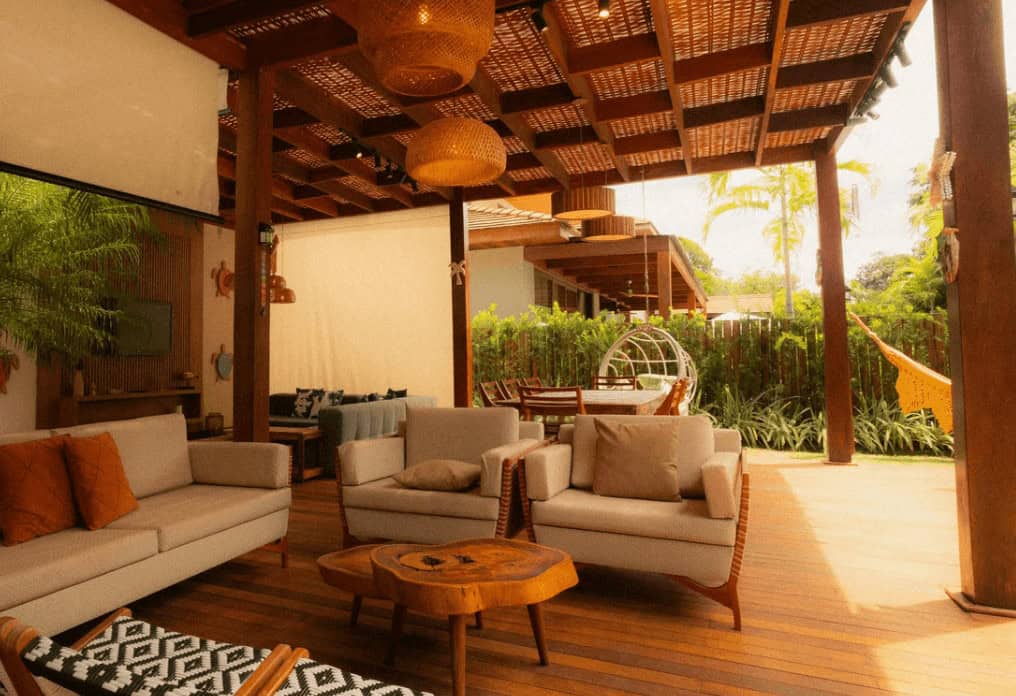
Advanced Fabric Protection and Surface Resilience
Outdoor cushions and umbrellas serve as the first line of defense against sun, moisture, and environmental debris. Choosing the right fabric is essential for maintaining both appearance and performance over time.
Solution-dyed acrylic fabrics such as Sunbrella are widely used because they resist fading, repel water, and help prevent mold and stains. These materials are designed to handle prolonged outdoor exposure without significant wear.
Many deep seating sets that meet current 2026 standards also include “dry-fast” foam cores. These allow moisture to pass through the cushion quickly instead of being trapped inside, reducing the risk of bacteria buildup and extending the lifespan of the seating.
By selecting fabrics that balance comfort with durability, homeowners can maintain a clean, functional, and long-lasting outdoor setup. This attention to material quality plays an important role in how well an exterior living space performs over time.
Logistical Coordination and Layout Planning for Multi-Functional Spaces
Creating a functional outdoor space requires careful planning so that dining, lounging, and heating areas work together seamlessly.
Many designers use a staged layout approach, placing elements like fire tables and cantilever umbrellas strategically to create comfortable zones or micro-climates within the space. This allows each area to serve a specific purpose while still feeling connected.
To improve flow and usability:
- Position larger features first, such as seating groups and heating elements
- Maintain clear pathways between zones
- Place shade and heat sources where they provide the most benefit throughout the day
Equipment such as fire pits and patio coolers can then be used more efficiently during gatherings.
To protect your setup year-round, use durable covers during the off-season. This helps preserve materials and makes it easier to transition from peak summer use to colder months without additional maintenance.
A well-coordinated layout ensures your outdoor space remains functional, comfortable, and ready for use across seasons.
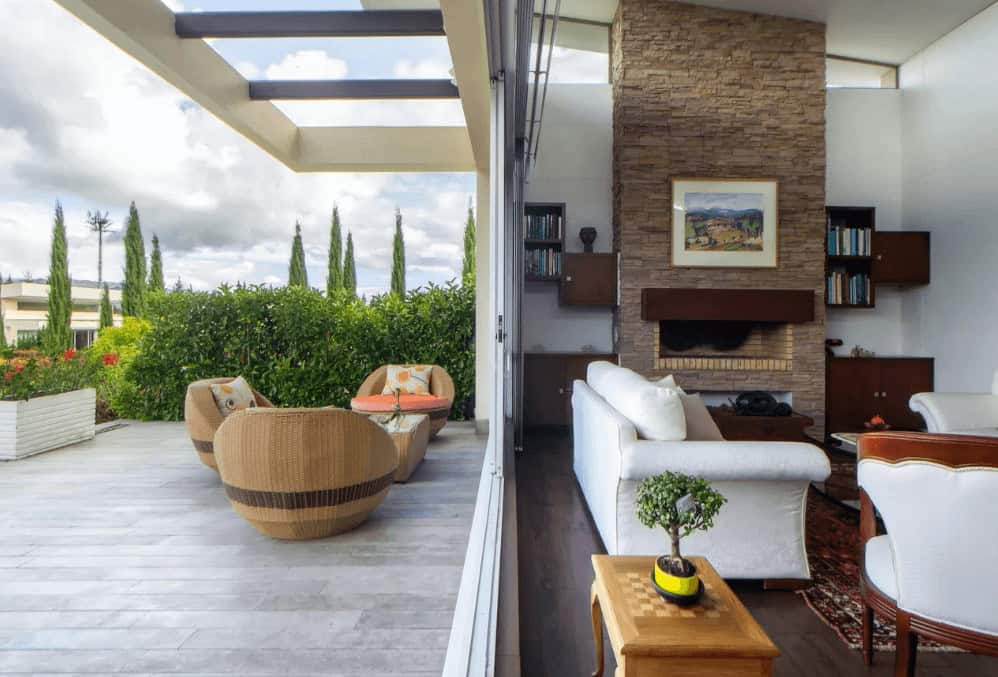
The Future of Smart Heating and Connected Outdoor Systems
As outdoor living continues to evolve, heating and control systems are becoming more advanced and easier to manage. Many modern fire tables now include built-in ignition sensors and adjustable flame controls that improve both safety and usability.
Some models can also connect to a home’s central automation system, allowing homeowners to monitor and adjust settings more efficiently. These features help ensure that an outdoor living space remains reliable and consistent over time.
By integrating smart controls and improved mechanical design, outdoor spaces are becoming more functional and adaptable. These advancements not only enhance day-to-day comfort but also reflect a broader shift toward more efficient and connected residential design.
Conclusion
As outdoor living continues to evolve, heating and control systems are becoming more advanced and easier to manage. Many modern fire tables now include built-in ignition sensors and adjustable flame controls that improve both safety and usability.
Some models can also connect to a home’s central automation system, allowing homeowners to monitor and adjust settings more efficiently. These features help ensure that an outdoor living space remains reliable and consistent over time.
By integrating smart controls, durable materials, and thoughtful design, homeowners can create outdoor environments that remain comfortable and functional throughout the year. Features such as weather-resistant furniture, adaptable layouts, and even custom inflatables for family gatherings, neighborhood events, or seasonal celebrations can add flexibility and enjoyment to the space.
These advancements not only enhance day-to-day comfort but also reflect a broader shift toward more efficient, connected, and family-focused outdoor living.