New homes across Pennsylvania are changing in quiet but meaningful ways. It’s not just about prettier kitchens or bigger windows. It’s about how people want to live, work, gather, rest, and feel inside their homes every single day.
From the suburbs outside Philadelphia to the rolling hills of Lancaster County, the wooded lots of the Poconos, and the growing communities near Pittsburgh, homeowners are asking for spaces that feel personal, practical, and built for real life. They want comfort without clutter. Style without the feeling of being showroom-copied. Homes that can handle busy mornings, quiet evenings, remote work, family visits, muddy shoes, changing seasons, and everything in between.
That’s what makes today’s design trends worth paying attention to. They’re less about chasing what’s popular and more about creating homes that feel steady, flexible, and genuinely livable.
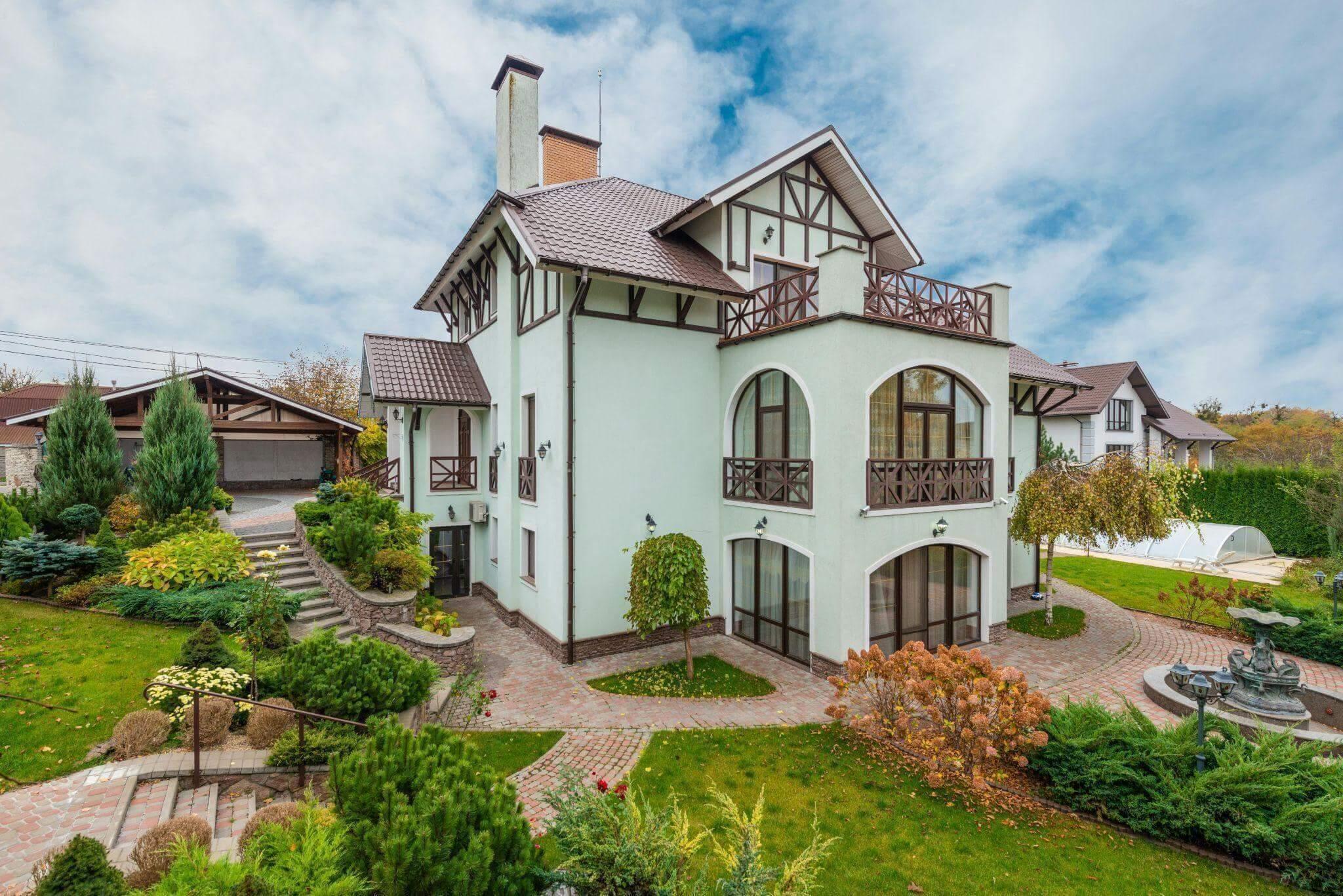
Image source: pexels.com
Flexible Spaces Are Becoming Essential
One of the biggest shifts in new Pennsylvania homes is flexibility. Homeowners are moving away from rooms that serve only one purpose toward spaces that can adapt as life changes.
A formal dining room might double as a homework area during the week. A guest room might also work as a home office. A finished basement might become a media room, workout space, playroom, or quiet retreat depending on what the family needs at any given time.
This makes sense. Families aren’t static. Work habits change. Children grow. Parents visit more. Hobbies come and go. A well-designed home should be able to shift with those changes without requiring a major renovation every few years.
Builders and designers are responding with layouts that include bonus rooms, pocket offices, flex lofts, and finished lower levels. These spaces don’t need to be large. They need to be thoughtful. A small room with good light, built-in storage, and a little privacy can make daily life feel noticeably smoother.
Warm, Natural Materials Are Taking Over
For years, many new homes leaned heavily on cool grays, bright whites, and polished finishes. Those choices aren’t disappearing entirely, but Pennsylvania homeowners are increasingly drawn to warmth and texture instead.
Wood tones are making a strong comeback. Stone accents feel especially fitting here, in a state where historic farmhouses, barns, and traditional masonry still shape the visual character of communities. Natural textures like linen, matte tile, warm brick, and brushed metal can soften a new build and make it feel more grounded in its surroundings.
This is where a skilled custom home designer in PA can make a real difference, because the best homes don’t just follow a trend. They connect design choices to the land, the neighborhood, and the people who will actually live there.
A home in Chester County might call for classic millwork and natural stone. A home near State College might lean toward a more relaxed, practical style, with durable flooring and open gathering areas. A new build in the Lehigh Valley might blend clean modern lines with rustic touches. The goal isn’t to force one look across every region. It’s to create a home that feels like it genuinely belongs where it sits.
Energy Efficiency Is Now Part of Good Design
Energy efficiency used to feel like a technical conversation separate from design. Today, the two are inseparable.
Pennsylvania has cold winters, humid summers, and plenty of temperature swings in between. Because of that, homeowners are paying closer attention to insulation, windows, HVAC systems, ventilation, and how a home is oriented on the lot. A beautiful home that feels drafty in January or overheated in July isn’t truly well designed, no matter how good it looks.
Modern new homes often include high-performance windows, improved insulation, smart thermostats, and efficient heating and cooling systems. These features can meaningfully reduce energy use while making the home more comfortable to live in day to day.
The best part is that energy-conscious design doesn’t have to feel clinical or obvious. It can be almost invisible. You may not notice the insulation in the walls or the careful window placement at first glance. But you feel the results. Rooms stay more comfortable. Utility bills become more manageable. The home feels quieter and more stable throughout the year.
That kind of comfort is harder to put a number on, but it matters enormously.
Indoor and Outdoor Living Are Blending
Outdoor living has always had a place in Pennsylvania, but new homes are treating it with far more intention. Homeowners are no longer thinking of patios, decks, and porches as optional extras. They’re becoming real living areas that get used year-round.
Covered porches are especially popular because they work across seasons. A covered back patio can handle summer shade, crisp fall evenings, and rainy spring afternoons without pushing everyone inside. Fire pits, outdoor kitchens, dining areas, and simple seating spaces are also becoming common requests rather than luxury additions.
The trend isn’t about creating a backyard that feels overdone or staged. In many cases, the most appealing outdoor spaces are actually the simplest ones—a stone patio. Comfortable chairs. Good lighting. A clear view of the yard. Maybe a covered corner where someone can sit with coffee while the morning is still cool.
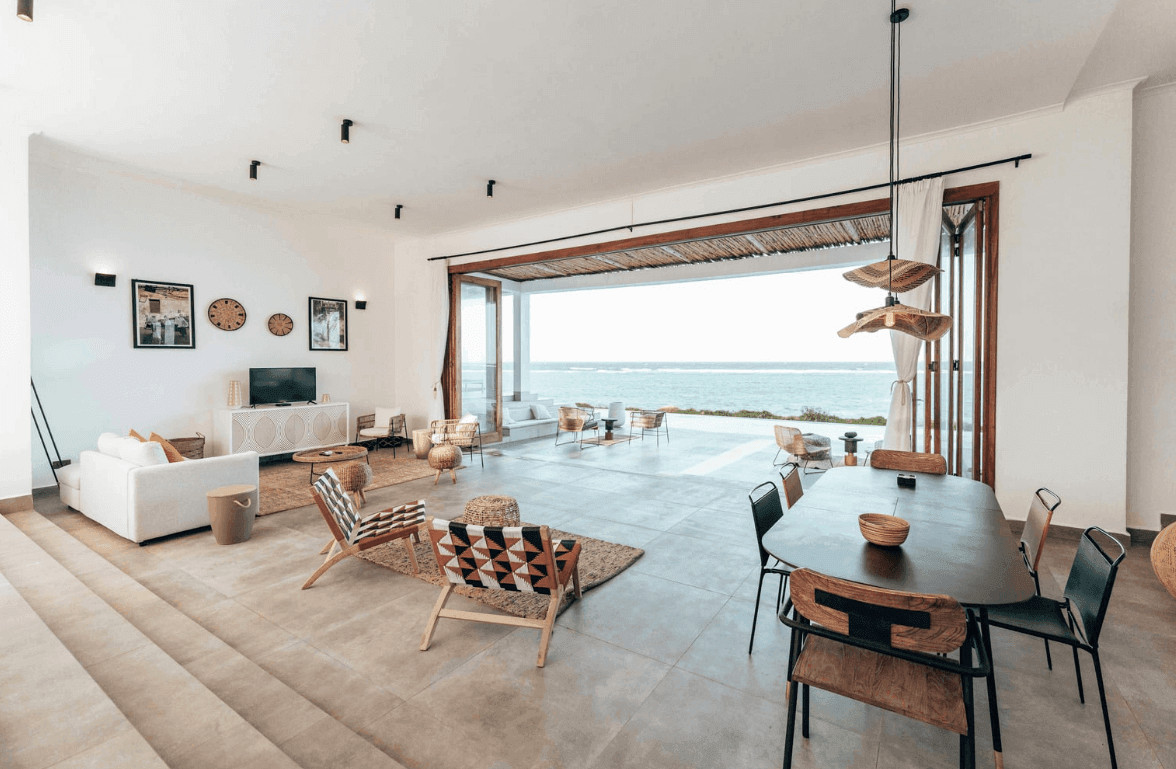
In Pennsylvania, where many homes are surrounded by trees, open fields, hills, or established neighborhoods, this indoor-outdoor connection can make a home feel larger and calmer all at once. Large sliding doors, screened porches, and thoughtfully placed windows help bring the outside in without sacrificing warmth or comfort.
Kitchens Are Built for Gathering, Not Just Cooking
The kitchen has always been central to home life, but its role keeps expanding. It’s where people cook, talk, help with homework, catch up on work, snack between meetings, and reconnect at the end of a long day.
New kitchen designs are focusing on function first. Large islands are still popular, but they’re becoming more purposeful. Homeowners want seating, storage, prep space, and sometimes discreetly placed outlets for laptops and small appliances built right in.
Walk-in pantries and sculleries are also gaining real traction. These spaces keep clutter tucked away and make entertaining easier. A secondary prep area is especially useful for families who cook often or host large holiday gatherings.
Design-wise, kitchens are getting warmer and more personal. Instead of all-white everything, many homeowners are choosing stained wood cabinets, soft green or blue accents, stone countertops, handmade tile, and mixed metals. The result feels less like a showroom and more like somewhere people actually live.
A good kitchen doesn’t need to make a statement. It needs to work.
Mudrooms and Storage Are Getting More Thoughtful
Anyone who has made it through a Pennsylvania winter knows the value of a well-designed mudroom. Snow boots, wet coats, backpacks, sports gear, dog leashes, umbrellas, and grocery bags all need somewhere to land when people come through the door.
That’s why mudrooms, drop zones, and built-in storage are becoming major priorities in new home design. These areas help protect the rest of the home from daily chaos and make everyday routines feel easier and more organized.
The best mudrooms include durable flooring, hooks at different heights, benches, cubbies, and storage that fits the household’s actual habits rather than what looks good in a catalog. Some designs include a laundry room connected to the kitchen. Others add a pet-washing station or direct garage access.
Storage might not sound like a glamorous design feature, but it shapes how a home feels every single day. When everything has a place, the home feels calmer. And when the home feels calmer, life inside it genuinely feels a little easier.
Smaller Details Are Feeling More Personal
Personalization is another meaningful shift happening across new builds. Homeowners want details that feel unique without making the home difficult to maintain or hard to adapt down the road.
This can show up in all kinds of ways. A reading nook tucked under the stairs. A built-in coffee bar near the kitchen. A window seat in a bedroom. A patterned tile in the powder room that surprises you. A small library wall. A custom fireplace surround. Framed artwork created through a paint by number project that reflects a favorite landscape, family memory, or personal hobby. These details give a new home character that plain finishes simply can’t.
They also tell a story.
Pennsylvania homes often carry a sense of history, even brand-new ones. Thoughtful details can help a new build avoid feeling too generic or too perfect. They add warmth and personality in ways that feel earned rather than applied.
The key, as always, is restraint. Not every surface needs a moment. A few well-placed details tend to have far more impact than a house full of competing features all trying to stand out at once.
Wellness Is Influencing Layout and Light
Wellness in home design doesn’t have to mean a spa bathroom or a dedicated meditation room, though those can be genuinely wonderful. More often, it simply means designing a home that supports daily well-being in quiet, practical ways.
Natural light matters. Quiet corners matter. Good airflow matters. A primary suite that actually feels restful matters. So does a floor plan that reduces noise in the places where people sleep, work, or decompress.
Many new homes are placing greater emphasis on window placement, calmer color palettes, better bathroom layouts, and spaces that give people room to recharge. This has become especially important as more people spend a meaningful portion of their day working from home.
A home should help people breathe a little easier. That sounds simple, but it takes real planning to get right.
The Future of Pennsylvania Homes Feels More Human
The strongest design trends shaping new homes across Pennsylvania aren’t flashy. They’re practical, warm, and deeply personal.
Flexible rooms. Natural materials. Energy-efficient systems. Better outdoor living. Smarter kitchens. Useful storage. Thoughtful personal details. Healthier, calmer spaces.
Together, these trends point toward something bigger. Homeowners are no longer satisfied with houses that photograph well but feel hollow to live in. They want homes that feel good at 7 a.m. on a hectic Monday, during a slow Saturday afternoon, and when the whole family gathers around the table for dinner.
That’s the real direction of new home design in Pennsylvania. Not bigger for the sake of bigger. Not trendy for the sake of being current. Better. Warmer. More useful. More connected to the people inside.
A well-designed home should feel like it understands the people living in it. And when it does, every detail, even the ones you can’t quite name, starts to matter.