Data from the U.S. Bureau of Labor Statistics reveal that 63 of the 1,034 workplace deaths in 2024 occurred in the services sector. Approximately 40 percent of workplace deaths in the construction sector resulted from fall-related incidents. 43% of these deaths were a result of falling from one level to another. The proportion of fatal falls, slips, and trips in construction when compared to the entire private sector is approximately 48.8% in 2024.
Construction sites can be hazardous, says Atlanta construction accident lawyer Christopher B. Hall. And accidents that occur on construction sites often have a severe impact on one’s life and cause physical injuries, financial strain, and emotional distress.
After getting injured at work, most workers normally try to find out who is to blame and how to cover the expenses caused by the incident.
An accident on a job site usually doesn’t land on only one party but rather depends on how the incident happened. Various parties may be found liable for the incident. The field of employment also offers certain provisions for the protection of injured individuals that go beyond the limits of the workers’ compensation scheme. In another context, it is important to know what insurance has been purchased and what coverage it provides.
Let’s discuss the potential parties that may be liable for accidents at job sites.
Why Job Site Liability Is More Complicated Than It Looks
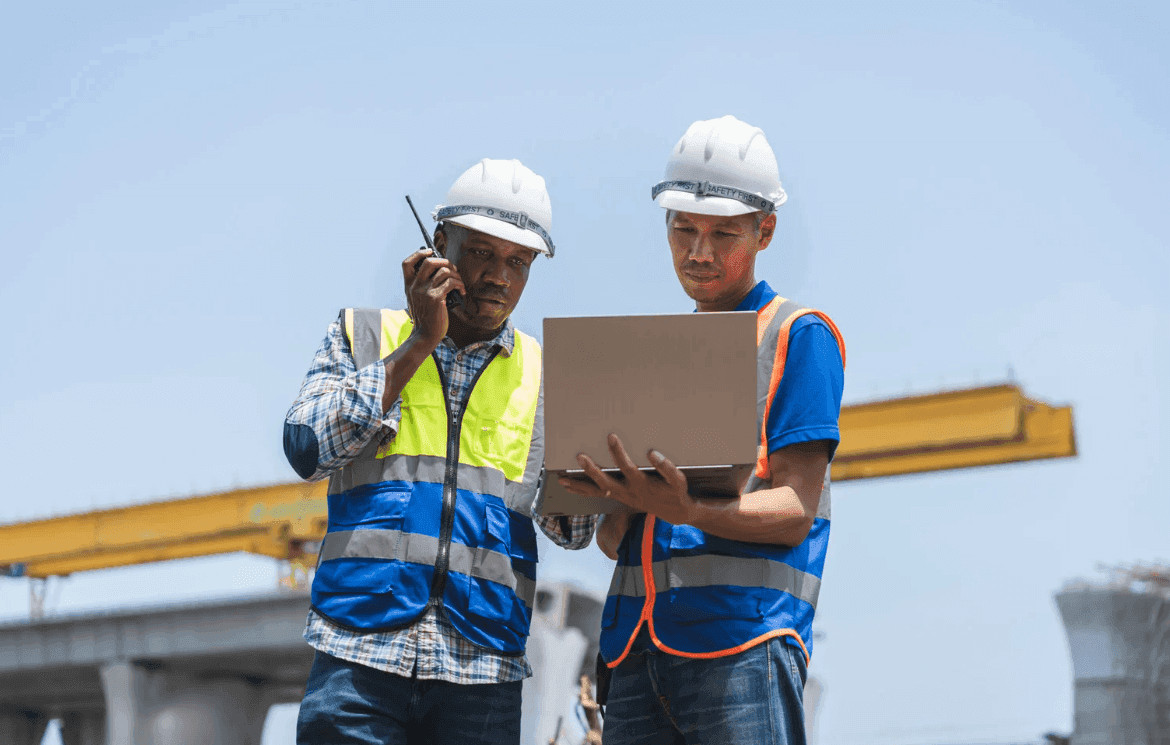
A typical construction project is usually composed of a property owner, a general contractor, several specialty subcontractors, equipment rental companies, material suppliers, and sometimes even a design team with engineers and architects.
Each of those parties has a somewhat different connection to the job. In addition, they all have different legal duties and insurance coverage. These differences among them can make knowing who to blame challenging.
An individual will have a difficult time finding out who is responsible. To establish liability, one must look closely at who was actually controlling the work. A few of the main concerns include determining who caused the dangerous or hazardous condition and whose safety obligation wasn’t followed through.
Injured workers need a lawyer who can help them deal with the legalities of their ordeal. According to the legal website https://www.bridgmanganttlaw.com/, a construction accident lawyer can handle a claim on your behalf, guide you through the legal process, and get you the financial stability you need. You may also need help with third-party tort claims, product liability, and premises liability. Sometimes the simplest-looking recovery route might not yield the highest payout.
The General Contractor’s Role and Responsibility
In most projects, the general contractor has the most power and is at the top of the command structure. They are the ones who engage the subcontractors, manage everything in relation to the project, and also outline safety standards of the site. This power also comes with its share of legal liability.
Direct Liability for Safety Failures
When a general contractor doesn’t properly enforce the Occupational Safety and Health Administration (OSHA) safety requirements or when they allow a risky condition to keep going on-site, then they may be held directly accountable for injuries that follow. The same result applies if they never provide workers with training on how to recognize hazards.
Liability can still apply if the injured person was employed by a subcontractor rather than the general contractor directly.
The Statutory Employer Question
Under the Statutory Employer law, a general contractor can be treated as a “statutory employer” for the workers of a subcontractor they hired so that, in practice, the general contractor might have to provide workers’ comp benefits, especially if that subcontractor doesn’t have proper coverage.
If the general contractors meet the requirements necessary to be deemed a statutory employer and apply the workers’ compensation system, they may be shielded against physical harm claims brought forth separately by the employee who suffered the said harm. This simply implies that one can still be a recipient of benefits provided by those suffering an injury and that there are certain claims barred against the person who pays those benefits.
The application of these rules will differ depending on the particular circumstances of each case. It is often the case that determining whether there is a statutory employer and how that determination will affect potential claims requires a robust legal analysis.
When the Property Owner Shares Responsibility
Under the rules of premises liability, owners are under obligation to observe a safe working environment and to provide any adherence to health cautions to all such persons who appear on their premises. This also includes workers and other guests that the owners and managers are aware of.
If an owner takes part in the project in any way, such as approving safety protocols, inspecting progress reports, or assigning tasks to subordinates, such an owner can be potentially liable in case of accidents caused by dangerous premises.
A private owner who knew or reasonably should have known about a certain hazard may also face liability concerns. If an owner delegates all control to the general contractor, the owner limits their risk exposure. But the problem is that this line is not a straightforward one and courts often use common sense rather than sticking to the words of a formal agreement.
Defective Equipment and Product Liability on Construction Sites
When a Tool or Machine Fails
Defective equipment tends to take up a big share of construction injuries, everything from power tools that act up to crane collapses, even faulty scaffolding components that should have been solid. If a design issue results in a given piece of equipment breaking down, then the manufacturer or distributor may be held liable under product liability law, even when they weren’t physically there at the job site. This type of liability can also apply to situations involving a manufacturing flaw or inadequate safety warnings on the job site.
Product liability claims work a little differently than negligence claims. In this situation, you do not have to prove that someone was being careless. Instead, you have to show that the product was defective and that the defect was what caused your injury. And if equipment failure shows up as a contributing factor alongside contractor negligence, then a product liability claim can really strengthen your overall recovery, sometimes in ways that surprise people.
Who Maintains the Equipment Also Matters
Equipment that’s rented or leased, in some cases, can bring in another potential defendant, like the rental company that had responsibility for upkeep. If a piece of heavy machinery stops working because it was not properly serviced before arriving on site, the rental company may also be liable, along with the contractor who was using it.
Maintenance records, service logs, and inspection reports become a kind of compass here for evaluating that angle, and your attorney will need to act quickly so they can safeguard those materials and not lose them.
Workers’ Compensation vs. Third-Party Claims: Knowing the Difference
Worker’s compensation systems are no-fault insurance. Under this arrangement, a worker is not required to prove fault before claiming the benefits they are entitled to. All that is required is for such an injury to be reported within the 30 days. This reporting period may vary across states. Most employers with three or more employees are required to keep coverage in place.
Workers’ comp pays for approved medical treatment, lost wages, and permanent impairment costs. It does not cover pain and suffering, emotional anguish, or what people often think of as the full value of future lost earnings.
You can also file a third-party personal injury claim. This claim is filed against someone other than your direct employer. Under this claim, one can aim to recover other types of damages. Going after a third-party claim usually doesn’t strip away your workers’ comp benefits. Under most subrogation rules, an employer’s insurance carrier has a lien on any settlement you obtain. An experienced attorney will work to negotiate that lien down as part of trying to maximize your total recovery.
How OSHA Violations Factor Into Your Civil Claim
OSHA develops and issues federal safety regulations for the construction industry. The agency has guidelines to keep workers safe from falls, electrocution, and equipment injuries. So when OSHA looks into an accident and then issues a citation, that paper tends to matter in your civil case, even if it’s not the whole story.
Courts can treat OSHA citations as some kind of evidence of negligence. Basically, a citation indicates that a safety standard got violated, and it may help show that the contractor or the property owner knew there was a hazard and still didn’t handle it the right way. An OSHA investigation can pull up internal communications and inspection records that would be extremely hard to get any other way.
If you were seriously hurt on a site, you can also file a safety complaint directly with OSHA. What they find can turn into a key part of the legal record.
Experienced construction attorneys know that liability determination is not simply blaming the construction company right away. Figuring out the right liable parties will need the individual to have a closer look at contracts, safety records, and the exact facts of what happened instead of relying on guesses or easy assumptions.