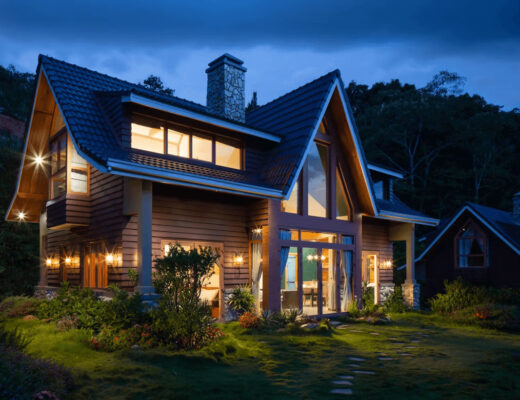
Modern living demands more from our homes than ever before. With fast-paced lifestyles and an elevated sentiment for a higher quality of life, our dwellings are rapidly changing. This is particularly true for interior doors, which are no longer used as just room dividers. An appropriate door type will manage privacy, control noise, support energy efficiency, and enhance how a space looks and feels.
Because of this, door selection matters as much as their proper placement, since both play a part in defining your home and lifestyle. For example, a door that works well in a bedroom can be a poor fit elsewhere; too solid for an office that needs light, too restrictive for a pantry that needs airflow, too vulnerable to moisture for a bathroom. To avoid such hurdles, let’s look at what you need to consider when selecting the best interior doors for each room.
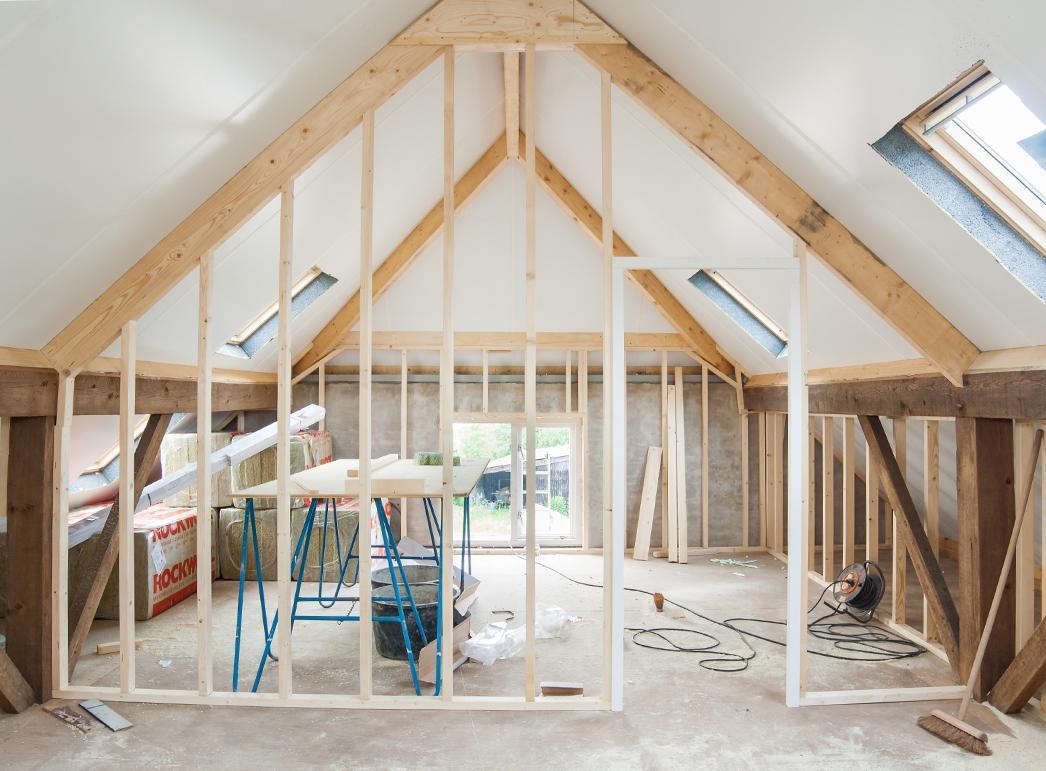
Why Choosing the Right Interior Home Doors Matters
Not all interior home doors are built the same, and the differences go beyond just the appearance. Construction, core material, and fit all determine how well a door performs; and in a busy household, performance matters.
Privacy and Noise Reduction
Noise-free, relaxing quarters are a necessity, especially if you want to actually recharge between the demands of daily life. The problem is that sound easily travels through whatever path offers the least resistance, and a poorly constructed door is definitely an easy target.
The best way to counter and reduce sound is to use a door that leaves no structural gap for it to pass through. Thicker and heavier doors made from denser materials are your best bet, since such doors leave no weak structural points for sound to use. So, to secure private family spaces, consider solid wood and solid core doors.
Functionality and Space Efficiency
Whether it’s for the family or guests, the smooth flow of traffic through rooms is important, as everyone appreciates practicality and well-used space.
Swing doors are best reserved for larger spaces since they require a large door swing, making them inefficient in tight, narrow rooms. Their classic appearance is unbeatable, and their easy installation makes them very practical for the right spaces.
Pocket doors are designed to disappear into a wall cavity, allowing you to make the most out of your small spaces. Due to their hidden-track system, repair is more difficult than with other options. They are the preferred doors for a minimalistic aesthetic.
Sliding doors are excellent at saving space, as they glide along a track mounted on a ceiling or wall. However, this door can be hit-or-miss in homes, depending on the homeowner’s taste. Some prefer the door to be the room’s centerpiece, while others prefer other wall elements like paintings to be more prominent.
Style and Home Value
Creating your own style can be a challenge, especially when considering the desires and needs of all family members. This, of course, involves juggling different elements: wall colors, furniture design, as well as the room’s space, lighting, and purpose.
However, there’s a simple way to connect all rooms into a unified space: use matching doors throughout your home. This establishes visual harmony, creating a constant reference point regardless of each room’s design. You can accomplish this in a few ways:
- Classical white doors or other neutral tones create a seamless transition between rooms while accentuating furniture.
- Black, deep navy, or any other unifying color can create a bold statement, elevating doors as sophisticated home elements.
- Material consistency (wood with the same grain pattern or glass panels) and finish allow doors to complement different room designs.
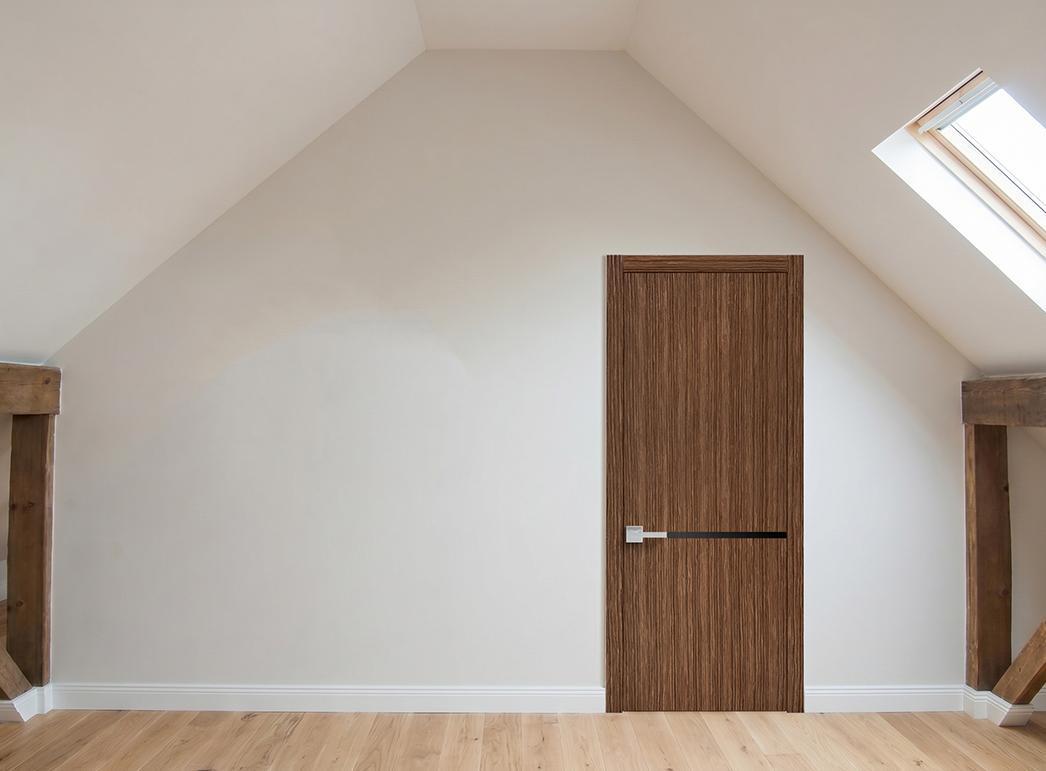
Understanding the Main Types of Interior Home Doors
If improving your home is on your mind, doors are worth putting near the top of the list. Since they come in different types, familiarizing yourself with them will help you make a more informed decision and find the perfect fit for your place.
Panel Doors
Panel doors are swinging doors that use their textured surface of recessed or raised panels to create a timeless classic design. Their elegance makes them a great fit for a variety of styles, ensuring their high popularity.
Flush Doors
A simple yet effective option is the flush door, which is another swinging option. They are favored by minimalists for their completely smooth design, with no decorative bevels, making them a highly customizable option.
French Doors
For any space where natural light is of primary concern, French doors are a solid pick. They are a pair of two swing doors featuring glass panes, which ensures their practicality and esteemed visual appeal.
Pocket Doors
In cases where a given room has limited space, pocket doors are the go-to option, as they are designed to save space by sliding into the wall cavity, disappearing completely. This allows you to utilize space as you wish without obstructing traffic flow.
Barn Doors
Known for their rustic appeal, barn doors are sliding doors that glide along a wall-mounted mechanism. They are also available in different styles, enabling you to make bold aesthetic statements with them.
Bi-Fold Doors
Bi-fold doors offer a unique visual appeal with a series of panels that slide and fold up against a wall. Once their design is paired with different materials, the result is a creative solution that is often chosen as a room divider.
Glass Doors
This option uses glass as the primary material to allow more light into the room, while opening up the space. Both see-through and frosted glass options elevate the architectural style of a space.
Best Interior Home Doors for Bedrooms
If there’s one place you should get a respite from the stress of modern life, it’s within the confines of your cozy bedroom sanctuary.
One of the ways to do it is to keep the noise out. Solid core doors are ideal for the task, as their structure effectively blocks sound waves, ensuring good-quality sleep and excellent privacy.
To further complement the atmosphere, consider flat, raised, or plank panel options. Their simple and efficient details won’t draw too much attention. Pair this with a wood veneer finish, whose warm tones and grain patterns will add to the coziness of your sanctuary.
Alternatively, consider neutral tones and colors to reduce eye strain. Matte finishes are recommended since glossy surfaces can reflect light and minimize comfort.
Choosing Interior Home Doors for Bathrooms
Moisture buildup is the enemy of every bathroom. It affects doors, causing them to warp, expand, and sometimes attract mold. This makes moisture-resistant options like PVC or WPC ideal for bathrooms. A frosted glass door option can also work since it doesn’t compromise your privacy.
In case of inadequate ventilation inside a bathroom, moisture can promote mold growth elsewhere, like between the tiles. Having a larger window or bathroom exhaust fan can help. However, if they are not an option, installing louvered doors ensures optimal airflow to prevent mold growth and maintain optimal privacy levels.
Best Door Options for Home Offices
Working from home demands a proper environment; one that supports focus, minimizes distraction, and doesn’t feel like a closed-off corner of the house. Noise is one of the biggest productivity killers in that regard, which is why solid core doors are the ideal choice for home offices. The mass and density of their MDF material are efficient at blocking sound, allowing you to focus on your work.
More natural light and open spaces also affect the mood and the ability to handle workflow. This makes glass door options ideal as they enable just that. Consider frosted or textured glass doors, as they handle privacy without blocking the light.
The key to securing a highly functional and enjoyable working environment is to balance between openness and privacy, as both are needed in such spaces.
Ideal Interior Home Doors for Living Rooms and Dining Areas
Of all home areas, living rooms and dining rooms are places where your choice of style and decor can leave a long-lasting impression on guests. Doors, being large and prominent elements, often contribute to that first impression, making their design and finish worth considering.
French doors are perfect for welcoming people into an open-concept room where spaces seamlessly blend. They act as a flexible boundary, filling the space with natural light and an open feel when needed, while still providing privacy when closed.
Decorative glass doors are a viable alternative to further enhance the space’s aesthetics. They offer versatile customization options with their colors, shapes, and stylized panes, making them suit different preferences.
Space-Saving Interior Home Doors for Closets, Laundry Rooms, and Pantries
Small rooms are usually located in tight, narrow, or not-so-approachable spaces, requiring small-space solutions. This means closets, laundry rooms, and pantries often feature pocket, bi-fold, or sliding barn doors. While each of these options is viable, the choice usually depends on factors such as desired aesthetics, proper ventilation, and installation requirements.
For instance, you won’t be able to install pocket doors if the wall doesn’t have enough space to house the door cavity. In case of ventilation, louvered panels are preferred for optimal air exchange, while the visual appeal depends solely on your preferences.
Common Mistakes to Avoid When Selecting Interior Home Doors
With an abundance of door types available, it can be tough to decide which option fits your needs the best. However, some steps can be taken to avoid selecting the wrong door for the specific place.
While the visual appeal can be an important factor to some, function should always come first. Otherwise, you end up with a beautiful door that doesn’t provide the needed benefits. For example, getting a stunning bedroom door without good sound insulation will result in a frustrating experience down the road.
When choosing the door, also keep in mind the size of the room where it will be used. The wrong door in a tight space can obstruct the passage and create more clutter than necessary. The most common mistake is forgetting about door swing clearance.
Since your home is comprised of different spaces for different purposes, you shouldn’t use the same door type everywhere. It makes the home impractical, as rooms have various needs for light, privacy, airflow, and spatial clearance.
Conclusion
Choosing the best interior doors for your home comes down to understanding what each room actually requires. Privacy, noise control, durability, aesthetics, and available space all factor in. The right balance can look different depending on where the door is installed.
After all, homes come with numerous rooms, and you have unique needs for every one of them, meaning there can’t be a one-size-fits-all option. For example, a decision that might work well for a bedroom can be the wrong call for a bathroom, office, or living room area. Taking time to match each door to its specific function is what separates a well-designed home from one that just looks the part.