Many homeowners spend decades mowing, watering, trimming, and maintaining their yards without thinking about how those responsibilities may change over time. As retirement approaches, priorities often shift. More free time can be a wonderful benefit, but fewer people want to spend every weekend handling demanding outdoor chores.
Planning ahead can help create a landscape that stays attractive while requiring less effort. Whether retirement is a few years away or just around the corner, making gradual improvements now can save time, reduce maintenance costs, and make your property easier to enjoy well into the future.
(photo credit: Microsoft Stock Images)
Start With an Honest Assessment
Walk around your property and think about which outdoor tasks require the most time and physical effort. Large areas of grass, steep hills, oversized flower beds, and shrubs that need frequent trimming often become the biggest maintenance challenges.
Pay attention to areas that regularly require repairs or extra attention. Poor drainage, uneven ground, and difficult-to-reach planting beds can become more frustrating as mobility changes. Taking notes during each season helps identify recurring issues that could be addressed with thoughtful upgrades instead of repeated maintenance.
Reduce High-Maintenance Grass Areas
A large lawn may look beautiful, but it often demands the greatest amount of ongoing work. Mowing, fertilizing, watering, edging, and weed control can quickly add up throughout the growing season.
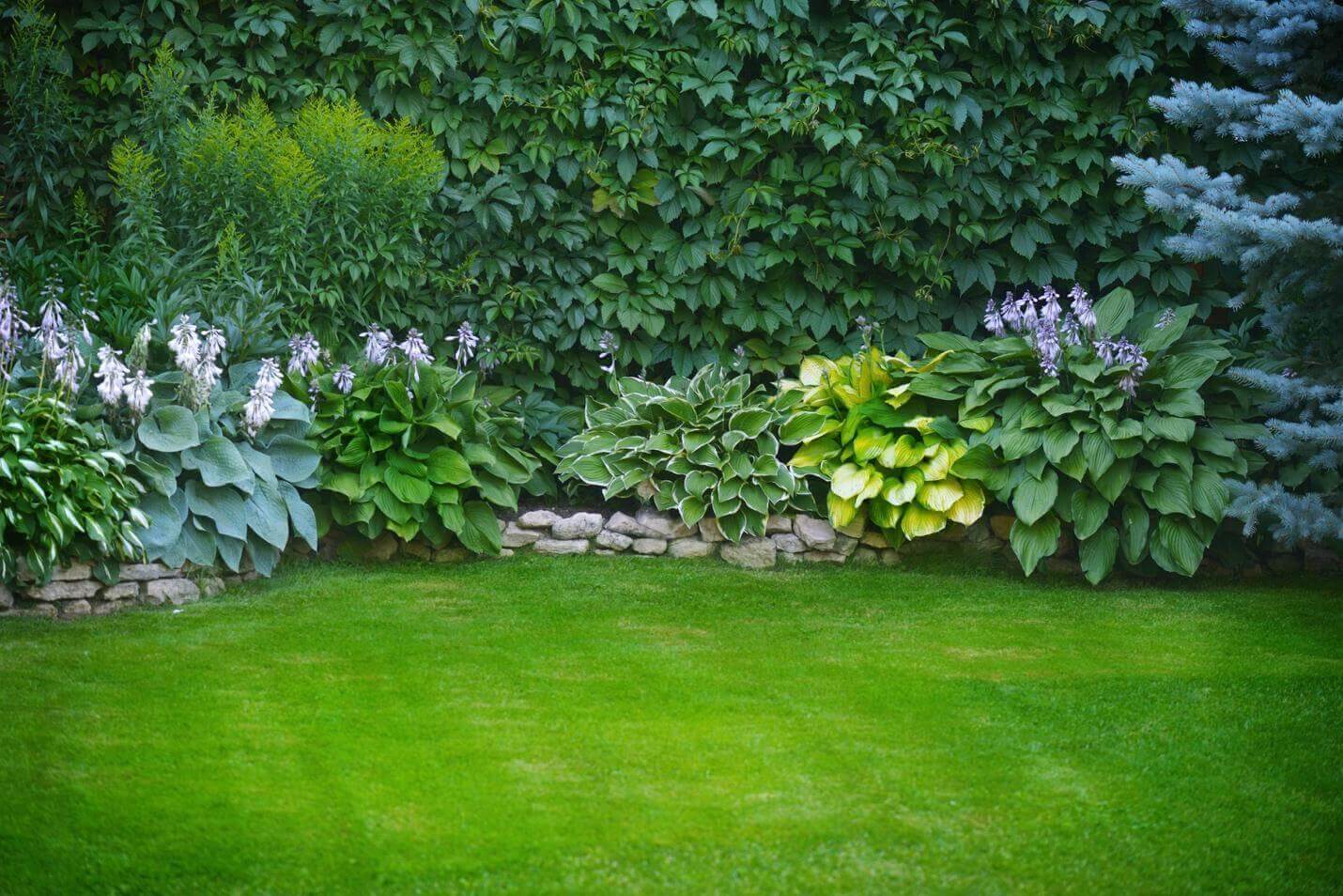
That does not mean eliminating grass completely. Instead, consider whether every section of turf is serving a purpose. Areas that receive little use may be better suited for mulch, decorative stone, native ground cover, or expanded planting beds filled with low-maintenance shrubs. Reducing the total amount of grass can significantly decrease weekly yard work.
Choose Plants That Thrive Naturally
Plants that match your local climate generally require less attention than varieties that struggle in the environment. Native trees, shrubs, ornamental grasses, and perennial flowers often adapt well to local rainfall and soil conditions.
Grouping plants with similar sunlight and watering needs also simplifies maintenance. Instead of caring for several different types of planting areas, you’ll have sections that can be managed using similar routines. Perennials provide another long-term advantage because they return each year without needing to be replanted, reducing both cost and effort.
Make Watering More Efficient
Dragging hoses across the yard becomes less appealing over time. Improving irrigation now can make future maintenance much easier. Drip irrigation systems deliver water directly to plant roots while reducing waste. Timers and smart irrigation controllers can automate watering schedules based on weather conditions. Adding mulch around trees, shrubs, and flower beds also helps retain soil moisture, suppress weeds, and reduce the need for frequent watering.
Simplify Tree and Shrub Maintenance
Trees add beauty, shade, and property value, but they also require planning. Fast-growing varieties often need regular pruning and may eventually interfere with roofs, sidewalks, or utility lines.
When adding new trees, consider their mature size instead of how they look at planting time. Selecting slower-growing species that fit the available space can reduce future maintenance and lower the likelihood of expensive removals.
Shrubs should receive the same consideration. Compact varieties that naturally maintain their shape often require less trimming than larger, faster-growing options.
Improve Accessibility Throughout the Yard
A landscape should remain comfortable to use throughout every stage of homeownership. Smooth walkways, wide garden paths, and sturdy steps improve both convenience and safety. Raised garden beds make planting and harvesting easier by reducing bending and kneeling.
Comfortable seating areas placed throughout the yard create inviting spaces to relax without requiring major physical effort. Outdoor lighting also deserves attention. Well-lit walkways improve visibility during the evening while helping reduce the risk of trips and falls.
Think About Long-Term Equipment Needs
Maintaining outdoor equipment becomes part of yard ownership as well. Lawn mowers, trimmers, leaf blowers, and other tools require fuel, storage, repairs, and regular maintenance.
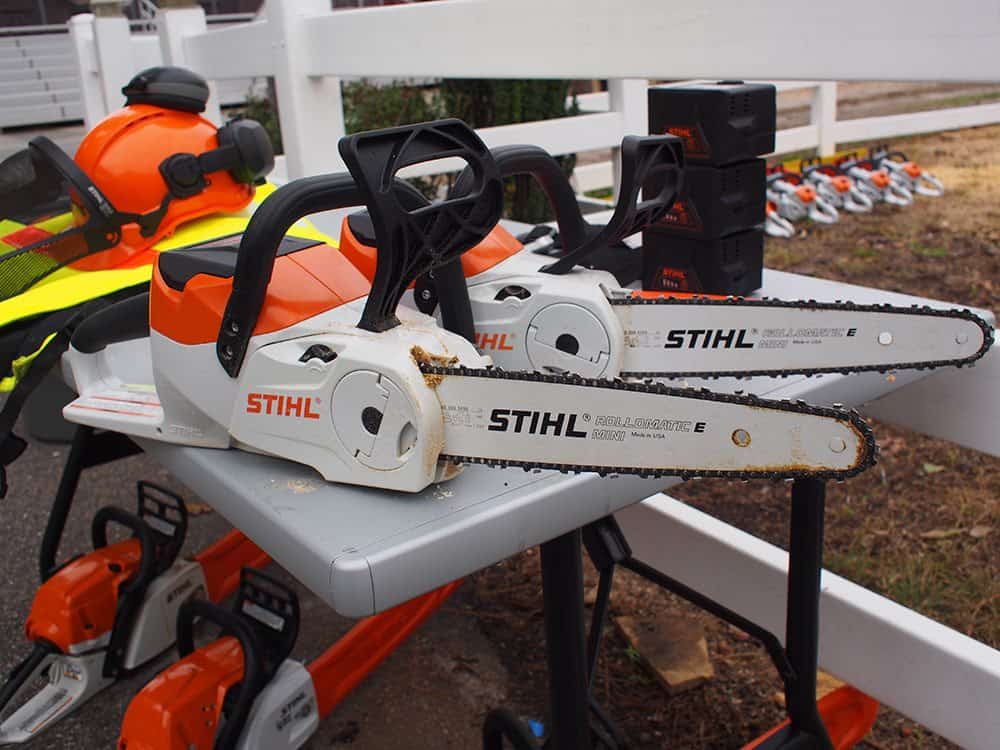
As homeowners plan for retirement, it may make sense to gradually replace older equipment with lighter or battery-powered alternatives that are easier to operate. Others may decide that hiring occasional professional lawn care services for seasonal tasks is more practical than maintaining specialized equipment they use only a few times each year.
Practical Steps You Can Take This Year
You do not need to redesign your entire landscape all at once. Small improvements completed over several seasons can make a noticeable difference.
Begin by identifying one section of your yard that requires more work than it should. Converting an unused patch of grass into a mulched planting bed or replacing high-maintenance plants with hardy perennials is a manageable first project.
Next, create a simple maintenance calendar. Recording seasonal tasks helps spread work throughout the year instead of allowing everything to pile up at once. It also makes it easier to recognize which jobs could be simplified or eliminated.
Finally, invest in preventive maintenance. Cleaning gutters, pruning trees before they become overgrown, refreshing mulch, and checking irrigation systems regularly often prevent larger and more expensive projects later.
Planning a landscape with retirement in mind is really about creating a yard that continues to fit your lifestyle. Thoughtful plant selection, efficient watering, reduced turf areas, and improved accessibility all contribute to a property that remains attractive without demanding constant attention. Start with one manageable improvement this season. Check out the infographic below to learn more.
Infographic: