Opening a swimming pool after winter is about much more than removing the cover and turning on the pump. A successful pool opening helps protect equipment, keeps the water safe for swimming, and reduces the chance of expensive repairs later in the season. Property managers often rely on organized checklists because they oversee multiple pools and cannot afford to overlook important maintenance steps.
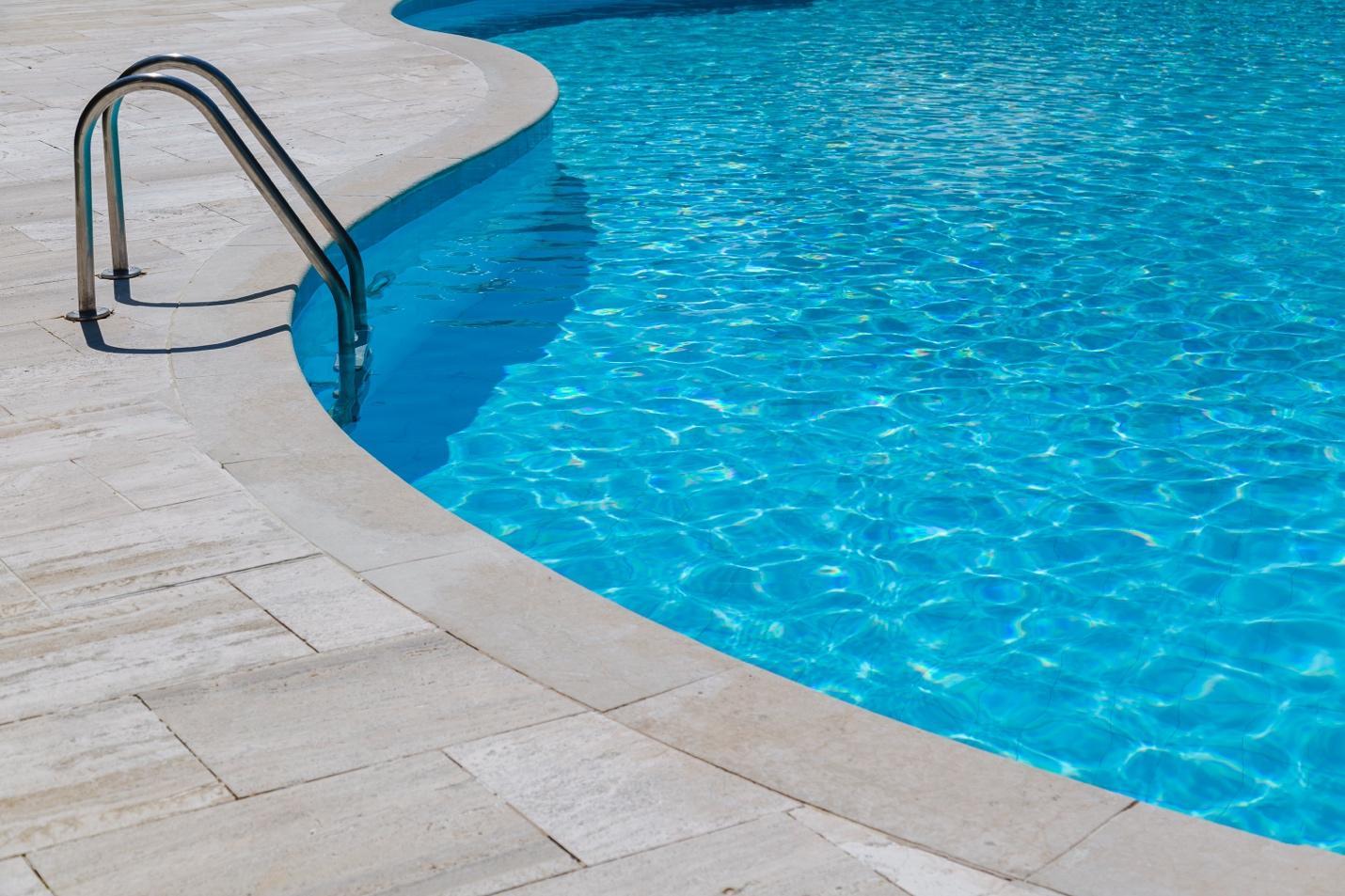
(photo credit: Microsoft Stock Images)
Start With a Careful Inspection
Before removing the pool cover, take a few minutes to inspect the surrounding area. Look for fallen branches, loose fence panels, damaged gates, or anything that could create a safety concern once the pool is open.
Next, examine the cover itself. Standing water, torn fabric, or broken anchors may indicate that the cover needs repair or replacement before it is stored for the season.
After removing the cover, inspect the pool deck for cracks, loose coping, uneven surfaces, or damaged handrails. Catching these issues early makes repairs easier before the pool begins seeing regular use.
Clean the Pool Before Starting Equipment
Leaves, dirt, and other debris often collect in the pool over the winter. Remove as much debris as possible using a leaf net before operating the filtration system.
Brush the pool walls, steps, and floor to loosen algae or dirt that may have formed during the off-season. Vacuuming afterward removes much of this material before it reaches the filter.
Cleaning first helps reduce unnecessary strain on pumps and filters once the circulation system is running. Taking the time to remove debris manually also improves water clarity more quickly during the opening process.
Inspect the Pool Equipment
The equipment pad deserves just as much attention as the pool itself. Pumps, filters, heaters, valves, and plumbing connections should all be inspected before startup.
Look for cracked fittings, leaking pipes, damaged seals, loose electrical connections, or signs that rodents may have nested around equipment during the winter.
Clean the pump basket and skimmer baskets before restarting the system. If your filter requires new media or cartridges, replace them according to the manufacturer’s recommendations.
Once everything appears ready, restore power and monitor the system carefully during the first several minutes of operation. Watch for unusual noises, vibration, leaks, or pressure changes that could indicate a problem.
Test and Balance the Water
Water chemistry is one of the most important parts of opening a pool successfully. Begin by testing the water for pH, chlorine, total alkalinity, calcium hardness, and stabilizer levels using a reliable test kit. Adjust each level gradually rather than adding multiple chemicals at once.
If the water has become cloudy or green over the winter, additional treatments may be necessary before the pool is ready for swimming. Running the filtration system continuously for the first day or two often improves water clarity as chemical levels stabilize. Keeping written records of test results makes future adjustments easier throughout the season.
Check Safety Features Before the First Swim
A clean pool is only part of the preparation. Every safety feature should also be inspected before family and guests begin using the pool. Confirm that gates close and latch properly. Check self-closing mechanisms if they are installed. Pool alarms, safety covers, ladders, handrails, and rescue equipment should all be in good working condition.
Slip-resistant surfaces around the pool deserve attention as well. Pressure washing or cleaning algae from the deck can reduce slipping hazards. If children regularly use the pool, review household safety rules with everyone before the season begins.
Create a Maintenance Schedule Early
One reason property managers successfully maintain multiple pools is consistency. They follow regular schedules instead of waiting until problems appear. Weekly testing, skimming, brushing, vacuuming, and basket cleaning prevent many common water quality problems.
Monthly equipment inspections also help identify worn parts before they fail during the busiest part of summer. Scheduling these tasks on a calendar makes it easier to stay organized and avoid falling behind during vacation season or busy weeks.
Choosing Quality Pool Products
The chemicals and supplies used throughout the season play an important role in long-term pool performance. Purchasing reliable products from reputable retailers helps maintain consistent water quality and equipment operation.
Many professional service companies purchase products through commercial pool chemical suppliers because they manage multiple facilities with ongoing maintenance needs. Homeowners can apply the same principle by selecting quality chemicals, following label directions carefully, and storing products safely in a cool, dry location away from children and pets.
Practical Steps to Make Pool Opening Easier
Preparing for pool season starts well before warm weather arrives. Inspect your cover before storing it at the end of each season so any repairs can be completed before the next opening. A well-maintained cover protects the pool more effectively during the winter.
Keep a checklist of your opening routine. Recording each step helps ensure nothing is overlooked from year to year and makes the process much less stressful.
Maintain a small supply of basic replacement parts, such as pump basket lids, O-rings, test strips, and filter components. Having these items available can prevent small issues from delaying your pool opening.
Finally, don’t rush the process. Spending a little extra time inspecting equipment, balancing water, and confirming that safety features are working properly often prevents larger problems later in the season.
Opening a pool is much easier when every step follows a clear plan. Inspecting the pool, cleaning thoroughly, checking equipment, balancing the water, and maintaining a regular schedule all help create a safe and enjoyable swimming season. Before your first pool day this year, set aside enough time to complete each step carefully. Check out the infographic below to learn more.
Infographic Embed Code: