Most DIY fans love a project with a clear finish line. You buy the tools, load the truck, and tackle one room at a time. Some houses, though, need far more than a few good weekends.
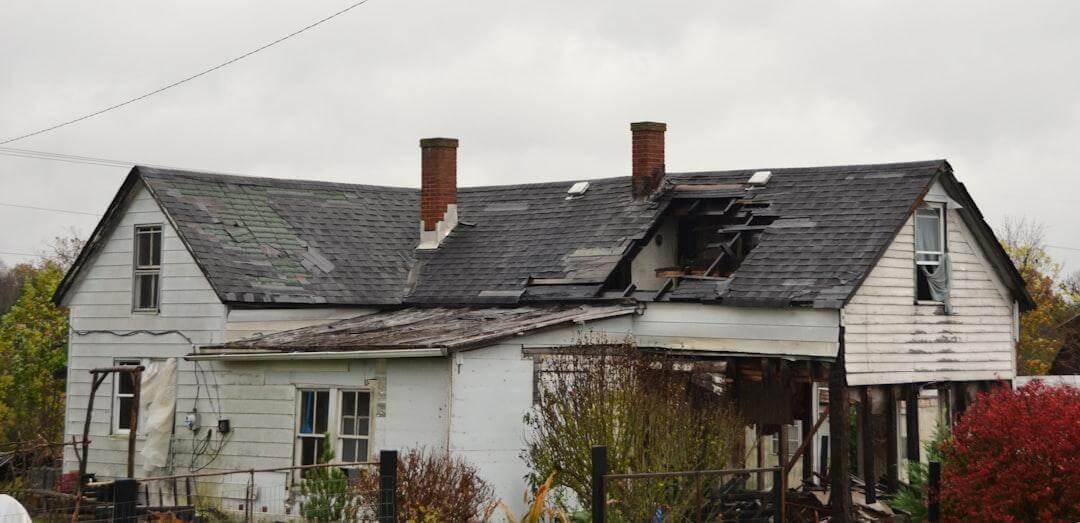
Photo by Roger Starnes Sr on Unsplash
At some point the repair list outgrows what a handy owner can fund. When that happens, a cash buyer such as Stryk Cam REI purchases the house as-is, with no repairs and no agent fees. This guide helps you spot that tipping pointparticulary if you’re based in Texas.
When Does a Fixer Cost More Than It Is Worth?
A fixer stops making sense when the repair bill nears the home’s value. At that line, sweat equity no longer pays you back.
Big-ticket problems are the usual warning signs. A failing foundation, an old roof, or full rewiring can each run into five figures. Stack two of those together, and the math turns against you fast.
Time is a cost too. Every month the house sits empty, you still pay taxes, utilities, and insurance. A vacant home can also lose coverage. The Texas Department of Insurance notes that most insurers drop coverage once a house stays vacant for 60 days or longer.
Skill has limits as well. Some jobs need licensed trades, permits, and inspections you cannot do yourself. When that stack grows, a clean sale can beat a long, costly rebuild.
How Do You Add Up the Real Repair Bill?
Start with a written list before you decide anything. A clear tally shows whether the numbers work or not.
Walk the house and price each fix in order:
- Inspect the roof, foundation, and framing for structural damage first.
- Check the electrical panel, wiring, and plumbing for code issues.
- Note the HVAC age, since a full system can cost several thousand dollars.
- List cosmetic work like paint, flooring, and cabinets separately.
- Add a 15 percent buffer for surprises hidden behind walls.
- Compare the total against nearby sale prices for finished homes.
A written renovation budget keeps you honest about the true cost. Break each category into its own line so nothing slips through.
If the total climbs past what the finished house would sell for, stop. That gap is your signal to consider a cash sale instead.
What Should Texas Sellers Know About an As-Is Sale?
An as-is sale means the buyer takes the home in its current state. You skip repairs, staging, and most of the usual back-and-forth.

Photo by Emilio Takas on Unsplash
You still owe honesty about the property, though. Texas law requires a seller’s disclosure notice under Section 5.008 of the Property Code for most previously occupied homes. That rule applies even when you sell as-is for cash.
The disclosure lists known defects, not repairs you must make. A cash buyer reads it, prices the work in, and still buys the house. Skipping the form can let a buyer back out later.
The process is short and predictable. A buyer reviews the home, often within 24 to 48 hours, then sends a written offer. You pick a closing date, sometimes in about 7 days, and collect your funds.
Which Repairs Push Financed Buyers Away?
Some problems make traditional buyers walk, even when they like the house. A mortgage lender can block the loan until those items are fixed.
These repairs most often scare off financed buyers:
- Foundation cracks or a sloping floor that hints at structural movement.
- A roof past its useful life with active leaks or missing shingles.
- Outdated wiring, a small panel, or missing ground-fault outlets.
- Failing plumbing, a bad water heater, or septic and well problems.
- Mold, water damage, or signs of long-term moisture in the walls.
Knowing when to call a pro versus sell as-is protects your budget. A cash buyer looks past every item on that list.
That is why a fixer with two or three big issues often sells faster for cash. You move the repair risk off your plate in one step.
How Do You Choose Between Fixing and Selling?
Match the choice to your time, money, and skill. There is no single right answer for every house.
Fixing works when the repairs are cosmetic and you can do most of them. Fresh paint, new fixtures, and clean floors can lift a sale price with modest cost. Weekend projects reward patient owners here.
Selling as-is works when the repairs need licensed trades and real money. If a rebuild would drain your savings, a cash offer frees you to move on. Weigh the numbers, then pick the path that fits your budget and timeline.
The Quick Decision Checklist
- Add up every repair in writing before you commit to fixing.
- Compare that total against nearby finished-home sale prices.
- Count holding costs like taxes, insurance, and utilities each month.
- Sell as-is when big structural or system repairs outrun your budget.
- Keep cosmetic projects if you have the time, tools, and skill.
Is an As-Is Cash Sale the Smarter Move?
A cash sale is not for every house, but it fits a fixer you cannot afford to finish. When the repair list beats the home’s value, a clean offer ends the drain on your time and money. Run the numbers first, then choose the route that respects your budget.
Frequently Asked Questions
How do I know a house needs more than a DIY fix?
Look for structural, roofing, or full-system problems that need permits and licensed trades. Those jobs carry real risk and cost far more than cosmetic work. When two or more stack up, the project often outgrows a DIY owner.
Do I still need a seller’s disclosure for an as-is cash sale?
Yes, Texas requires a seller’s disclosure notice for most previously occupied homes. You list known defects, but you are not required to repair them. A cash buyer reviews the notice and buys the house anyway.
How fast can an as-is cash sale close in Texas?
Many cash sales close in about 7 to 14 days once the title is clear. There is no lender, so no appraisal or financing delay applies. You still pick the closing date that fits your schedule.
Will a bad roof or foundation block a cash sale?
No, since cash buyers do not need lender approval tied to those systems. A financed buyer might walk away over a failed inspection. A cash offer looks past those repairs entirely.