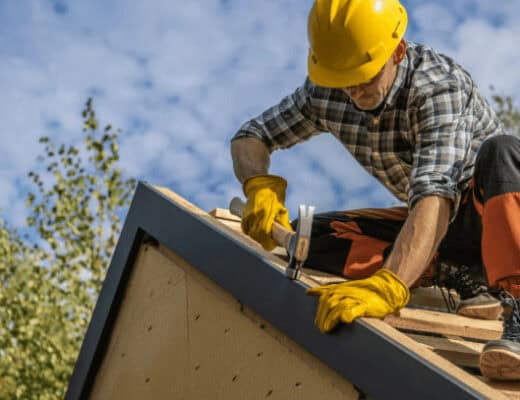
Home improvement projects often involve more than just a hammer and a paintbrush. Whether you’re raising the height of your backyard wall, building a deck, installing new electrical fixtures, or tackling a full renovation, the work frequently involves power tools, ladders, heavy materials, and potentially hazardous equipment.
For contractors and serious DIYers alike, understanding how to work safely is just as important as knowing how to complete the project itself.
That’s why safety training plays such an important role in construction and home improvement. Proper training helps workers recognize hazards, follow established safety procedures, and handle tools and equipment responsibly.
Even experienced builders benefit from a deeper understanding of jobsite risks and the best practices designed to prevent accidents.
This is where OSHA training becomes especially valuable. These programs help workers understand the real risks that exist on construction sites and renovation projects while providing practical guidance for managing them safely.
Why Safety Matters In Construction And Home Improvement
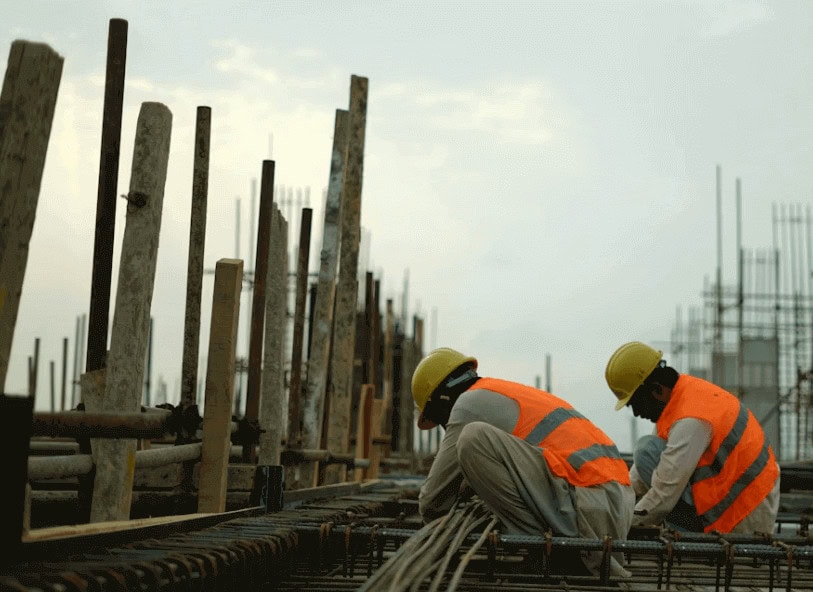
Construction sites and home improvement projects are filled with potential hazards. Workers often face risks related to power tools, ladders, scaffolding, electrical systems, and hazardous materials like paint or chemicals. According to the U.S. Occupational Safety and Health Administration (OSHA), construction is one of the most dangerous industries, accounting for a significant percentage of workplace fatalities each year.
For homeowners and DIY enthusiasts taking on their own projects, the risks are no less significant. While it might seem like a small home renovation or repair project, improper handling of equipment or chemicals can lead to serious accidents. Additionally, many local building codes require that certain work be done by certified professionals. Failing to meet those standards can lead to fines, insurance issues, or unsafe living conditions.
What OSHA Training Offers
OSHA training is designed to help workers understand the key risks in their environment and learn how to manage and mitigate them effectively. The training covers a range of safety procedures, including hazard communication, the proper handling of chemicals, the use of personal protective equipment (PPE), and guidelines for working with heavy machinery.
In construction and home improvement, understanding OSHA regulations can mean the difference between completing a job safely and facing costly injuries or fines. OSHA training is comprehensive and ensures that everyone involved, whether a professional contractor or a DIY enthusiast, understands what to do in the event of a safety concern.
How OSHA Training Enhances Jobsite Safety
Identifying And Mitigating Hazards On The Job
One of the most critical aspects of OSHA training is teaching workers how to recognize hazards before they become dangerous. On a construction site, there are numerous potential hazards, from unguarded machinery to poorly maintained scaffolding. OSHA training equips workers with the tools they need to identify these dangers, evaluate the risks, and take preventive action.
Properly trained workers know how to assess their surroundings, identify chemical hazards, and understand how to implement safety measures to protect themselves and others. This proactive approach reduces the likelihood of accidents and helps workers stay focused on their tasks without fear of unseen dangers.
Ensuring Safety Around Heavy Machinery And Tools
In home improvement projects, it’s common to use power tools and heavy machinery—tools like circular saws, drills, and ladders, as well as equipment like bulldozers or forklifts. Each of these items presents its own set of risks, and without proper safety training, the potential for accidents rises significantly.
OSHA training teaches workers how to safely operate and maintain tools and machinery. It also provides guidance on securing and using the proper PPE, such as hard hats, gloves, and eye protection, to reduce the risk of injury. Whether it’s preventing a saw from kicking back or ensuring that heavy machinery is operated by a trained individual, OSHA training helps ensure that proper safety protocols are followed.
Benefits Of OSHA Training For DIY Enthusiasts And Small Contractors
For homeowners or small contractors who take on home improvement projects, OSHA training provides several tangible benefits. First and foremost, it ensures that workers have the knowledge to complete tasks safely, avoiding common injuries. In addition to improving safety, it can also boost confidence in tackling more complex projects or working with dangerous materials like electrical wiring or asbestos.
Furthermore, OSHA training can help reduce liability. Many home improvement projects require professionals to adhere to local safety regulations. By having OSHA certification, contractors show potential clients that they are taking the necessary steps to protect themselves and their workers. This is especially crucial for those starting their own small businesses or handling higher-risk projects.
Additionally, proper training can help homeowners stay within legal requirements. If a homeowner hires a contractor who has OSHA training, it ensures that the job will meet the required standards for safety and compliance, making the project safer and reducing future problems.
Selecting The Right OSHA Training Course
When selecting OSHA training, it’s essential to choose a program that is relevant to the specific work you’re doing. Training providers, such as FMTC, offer a range of courses tailored to different needs. These programs can vary from general safety to more specific areas like hazardous materials handling or heavy equipment operation.
FMTC provides online OSHA courses that can be taken at a flexible pace, which is particularly useful for small business owners, DIY enthusiasts, or contractors with busy schedules. Their courses align with OSHA standards, ensuring that your training is both compliant and practical for real-world use.
Before choosing a course, it’s important to evaluate the content and ensure it matches the type of work you are doing. Whether you need to learn about hazard communication, equipment handling, or fall protection, it’s essential to pick a course that prepares you for the specific challenges you may face.
Conclusion
Successful home improvement and construction projects depend on more than good plans and the right tools. They also require a clear understanding of jobsite safety. Whether you’re a contractor managing a crew or a homeowner tackling ambitious DIY projects, knowing how to identify hazards and follow proper safety procedures is essential.
OSHA training helps builders, contractors, and serious DIYers develop the knowledge needed to work safely with tools, machinery, and potentially hazardous materials. It also helps ensure projects stay compliant with safety regulations while reducing the risk of accidents that can delay work or cause costly injuries.
Investing in OSHA training is ultimately an investment in better, safer projects. FMTC offers flexible, comprehensive online OSHA training programs that help professionals and DIYers gain the skills needed to maintain safe worksites and complete construction projects with confidence.