Filing a roof insurance claim seems straightforward until you’re actually in the process, and a surprising number of legitimate claims get denied or significantly reduced not because the damage wasn’t real, but because of avoidable mistakes in how the claim was documented or filed.
Understanding the most common denial reasons before you file gives you a genuinely better shot at a smooth, fully covered claim.
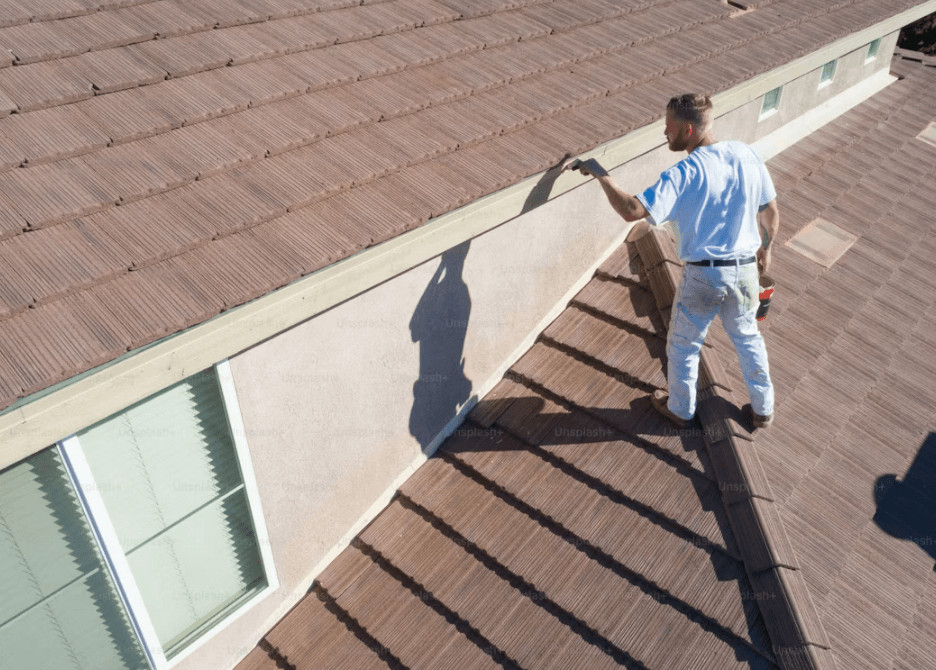
Photo: Getty Images For Unsplash
Filing Against the Wrong Storm Date
Insurance carriers work from specific, verified weather event records, and filing a claim tied to the wrong date, even if damage genuinely occurred, is one of the most common reasons a claim gets denied outright.
If multiple storms have passed through your area recently, confirming the exact date your specific damage occurred, using verified weather data rather than a general memory of “sometime last month,” meaningfully strengthens a claim’s chances.
Waiting Too Long to File or Get an Inspection
Most policies have a specific window for filing a claim after damage occurs, and waiting well beyond that window, even if you have a reasonable explanation, gives an insurer grounds to question or deny the claim.
Beyond the formal deadline, waiting itself can create a documentation problem: the longer the gap between the storm and the inspection, the harder it becomes to definitively tie the damage to that specific event rather than general wear that accumulated over time.
Insufficient or Poor-Quality Documentation
A claim supported by vague description and a couple of blurry photos gives an adjuster very little to work with, and adjusters generally resolve ambiguity in the direction that costs the insurer less.
Thorough documentation, detailed photos of the specific damage, a clear written description tying it to the storm date, and ideally a professional inspection report, gives an adjuster the evidence needed to approve a full and fair settlement rather than a partial one.
Pre-Existing Damage Being Misattributed to a Recent Storm
If a roof already had wear, granule loss, or minor damage before the storm in question, and the claim doesn’t distinguish between that pre-existing condition and new storm damage, an insurer may deny the entire claim rather than parsing out what’s genuinely new.
A thorough inspection that documents the roof’s actual condition, including what appears pre-existing versus what’s clearly attributable to the specific storm, protects against this kind of blanket denial.
Not Understanding Your Specific Deductible Structure
Some policies, particularly certain commercial policies, use a percentage-based wind or hail deductible rather than a flat dollar amount.
Homeowners and property owners who assume a standard flat deductible applies are sometimes surprised, and occasionally confused into abandoning a legitimate claim, when the actual deductible turns out to be considerably higher than expected.
Understanding your specific policy’s deductible structure before filing avoids this kind of costly misunderstanding.
Working With a Contractor Who Doesn’t Understand the Claims Process
Following storms, it’s common for less experienced or opportunistic contractors to promise unrealistic outcomes, including illegally offering to “waive your deductible,” a practice that’s against the law in most states and a red flag for insurance fraud.
A contractor unfamiliar with how adjusters actually evaluate documentation can also simply provide weaker evidence than the claim needs, hurting your chances even without any bad intent.
What Actually Strengthens a Claim Before You File
A few steps consistently improve the odds of a smooth, fully covered claim: get a professional inspection promptly after any significant weather event, confirm the exact storm date using verified records rather than memory, document damage thoroughly with clear photos and a written report, and understand your policy’s specific deductible structure before the claim is submitted.
Getting the Documentation That Actually Supports a Claim
Because so many denials trace back to documentation and timing issues rather than the legitimacy of the damage itself, roof insurance claims assistance that starts with a thorough, properly dated inspection gives you the strongest possible foundation for a claim, rather than leaving you to piece together evidence after the fact.