Hardwood flooring is one of the few interior renovation decisions a DIY homeowner makes that genuinely outlasts most of the rest of the house. A well-chosen and properly installed hardwood floor delivers 30 to 50 years of service in a typical home and can be refinished several times across that span; a poorly chosen or poorly installed floor often shows visible wear inside a decade and becomes a replacement project the homeowner did not plan for.
The DIY renovators who do the homework before the first sample order tend to land at meaningfully better outcomes than those who pick on aesthetics alone or default to whatever the home-improvement-store stocks.
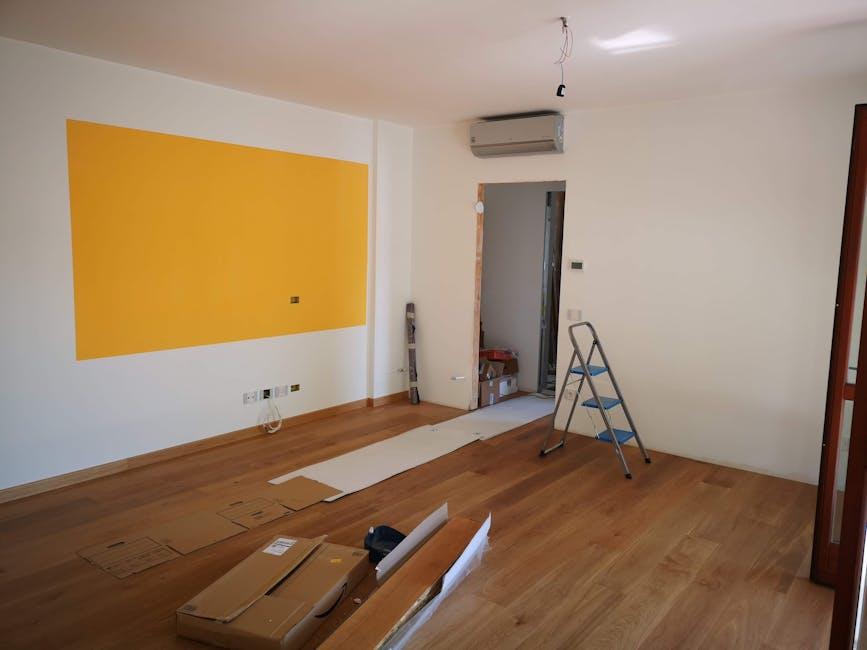
Photo by Pietro Greco on Pexels
Selecting hardwood for a renovation is a recurring decision in the American DIY home-improvement market. A homeowner working through a catalogue from Really Cheap Floors or a comparable US flooring supplier will encounter the same recognisable structure: solid and engineered lines across the standard species, multiple grade tiers, and palletised freight arrangements.
The catalogue rewards the DIY buyer who understands the construction differences before the first sample order, and a few hours of preparation usually saves a meaningful amount on both the installation cost and the eventual maintenance cycle.
Why Does the DIY Hardwood Decision Matter More Than Most Home-Improvement Picks?
The first thing to understand is that hardwood flooring is among the longest-tenure interior decisions a homeowner makes. The species, the grade, the finish, and the installation method all combine into a result the family lives with for decades.
The factors that shape the decision:
- Lifespan and refinishing capacity. A 3/4-inch solid hardwood floor supports 4 to 7 full refinishings across its life. An engineered floor with a 3-to-6mm wear layer supports 2 to 3 refinishings. Floors with thinner veneers cannot be sanded back at all.
- Subfloor compatibility. Solid hardwood requires a wood subfloor and is not suitable over concrete slab. Engineered hardwood handles slab-on-grade installations cleanly, which matters for many homes built since 1990.
- Climate sensitivity. Solid hardwood expands and contracts seasonally with humidity changes between roughly 30 and 55 percent. Engineered hardwood’s plywood substrate moves much less, making it the better choice for kitchens, basements, and any room with moisture exposure.
- Cost-per-year math. The lifetime cost (materials + installation + expected refinishings) usually favours solid hardwood for long-tenure homeowners and engineered hardwood for homes with subfloor or moisture constraints.
A definition useful here: a wear layer is the top layer of an engineered hardwood plank that takes the foot traffic and the eventual refinishing. Wear layers above 3mm are generally referred to as “rotary-peeled” or “sliced” and support multiple refinishings; veneers below 2mm limit the floor to its original finish for the life of the product.
The same wood-and-finish thinking that informs the yakisugi shou sugi ban charred-wood siding decision for the home’s exterior carries through to the interior wood-floor choice in the way the two finishes age and weather over time.
What Should DIY Homeowners Look For in a Hardwood Supplier?
A short checklist for DIY homeowners evaluating suppliers before placing the first sample order:
- Clear veneer thickness disclosure for engineered products. The supplier should publish the wear-layer thickness for every engineered product. Vague references to “engineered hardwood” without the millimetre figure are a warning sign.
- Janka hardness rating for solid products. Published Janka ratings let DIY homeowners match the species to the household traffic. Red oak (1290), white oak (1360), maple (1450), hickory (1820), and walnut (1010) are the common domestic species.
- Multiple grade tiers within each species. Select, common, and cabin grades within the same species let DIY homeowners trade off cost against character without changing the colour family.
- Certified sourcing. Industry-grading-and-installation standards from the National Wood Flooring Association inform most reputable supplier catalogues, and the engineered-product side draws on standards from the APA Engineered Wood Association for the substrate quality that matters for long-term performance.
- Sample availability. A reputable supplier sends physical samples on request because hardwood colour and grain vary too much for a digital photo to be reliable.
- Reasonable freight policy. Hardwood ships on pallets and the freight cost can be substantial. The supplier should publish the freight policy clearly so the DIY buyer knows the all-in cost before ordering.

Photo by Natalia Sevruk on Pexels
What Common Mistakes Do DIY Homeowners Make Around Hardwood Selection?
A short list of recurring mistakes that surface in DIY hardwood post-mortems:
- Choosing solid hardwood for a slab-on-grade home. Solid hardwood over a slab tends to cup, gap, or buckle within a few years as moisture migrates from the concrete. Engineered hardwood is the right product for any slab-on-grade installation outside of very dry climates.
- Underestimating the acclimation period. Solid and many engineered hardwoods need 5 to 14 days of acclimation in the room where they will be installed. Skipping this produces seasonal gapping or cupping within the first humidity cycle.
- Ignoring the subfloor preparation. The subfloor flatness specification (within 3/16 inch over 10 feet) matters as much as the flooring quality. A floor installed over an out-of-tolerance subfloor squeaks, gaps, and shows wear unevenly even with a premium product.
- Choosing on price per square foot alone. Lifetime cost includes materials, installation, underlayment, freight, and refinishings. The cheapest material per square foot is rarely the cheapest floor over 20 years, and DIY shoppers comparing real wood with wood-look alternatives like GarageSkins for a wood-look at a fraction of the cost should weigh the refinishing capacity (only real wood supports it) against the upfront cost difference.
- Skipping the species-and-traffic match. A maple or walnut floor in a home with three large dogs and a cat shows wear faster than a hickory or oak floor in the same home. Species choice should account for actual household traffic.
- Forgetting the moisture testing. Slab-on-grade and basement installations need a moisture meter test before any flooring goes down. The test takes minutes and prevents the cupping and buckling that otherwise appears within 18 to 36 months.
Frequently Asked Questions From DIY Homeowners Choosing Hardwood
Can a DIY homeowner install hardwood without professional help?
For floating engineered floors with click-lock systems, a confident DIYer can usually handle the installation in a few weekends. For nail-down solid hardwood or glue-down engineered hardwood, the equipment, the subfloor preparation, and the trim work usually justify professional installation. The cost difference is meaningful, but the consequences of a poorly executed install often exceed the savings.
How much does DIY hardwood flooring typically cost?
Materials run roughly 4 to 12 dollars per square foot for solid hardwood and 3 to 10 dollars per square foot for engineered hardwood. A typical 1,000-square-foot DIY install with materials, underlayment, and tools comes in at 5,000 to 15,000 dollars depending on species, grade, and existing-tool inventory. Professional installation adds 3 to 6 dollars per square foot.
Prefinished or site-finished for a DIY project?
Prefinished hardwood is the right answer for almost every DIY project. The factory finish is more durable than a site-applied finish, the install can be walked on the same day, and the DIYer avoids the equipment cost (drum sander rental, finish-application tools) of a site-finish job. Site-finished floors still have a place for matching existing original-floor character or for very specific custom finishes.
Engineered or solid for a renovation flip?
For homes the family expects to keep for decades, solid hardwood usually has the better lifetime cost. For a renovation flip or a short-tenure project, engineered hardwood is often the right answer because the lower per-square-foot cost matches the shorter expected ownership window.
A Final Note for DIY Homeowners Choosing Hardwood
The DIY hardwood-flooring decision is one of the more consequential interior decisions a homeowner makes, and the project rewards the homeowner who treats the construction choice (solid versus engineered), the species selection, the grade tier, and the supplier evaluation with the same discipline applied to any other long-horizon home investment.
The DIY renovators who match the product to the subfloor, the climate, and the household traffic, who order samples before committing to a colour, who specify the wear-layer thickness on engineered products, and who plan the maintenance cycle tend to come out of the project with a floor that anchors the home for decades rather than a floor that becomes a replacement project inside ten years.
The marginal effort of careful selection is small. The marginal benefit shows up at exactly the moment the home is supposed to feel like the considered renovation it actually was.