There is a certain appeal to looking at a roof problem and thinking, “I can probably sort that out.”
Homeowners who are comfortable with tools handle plenty of maintenance themselves. Cleaning accessible gutters, checking for obvious damage from the ground and keeping an eye on blocked downpipes are reasonable parts of looking after a house. Metal roofing makes the DIY question a little more complicated. A small mistake with a sheet, flashing or fixing can allow water into places you cannot see.
That matters in Melbourne, Australia, where roofs have to deal with rain, wind, strong summer sun and changing temperatures. If you are looking at a repair, replacement or new installation, knowing when to bring in a metal roofing contractor can prevent a manageable issue from becoming a much larger repair.
The trick is knowing where routine maintenance ends and roofing work begins.
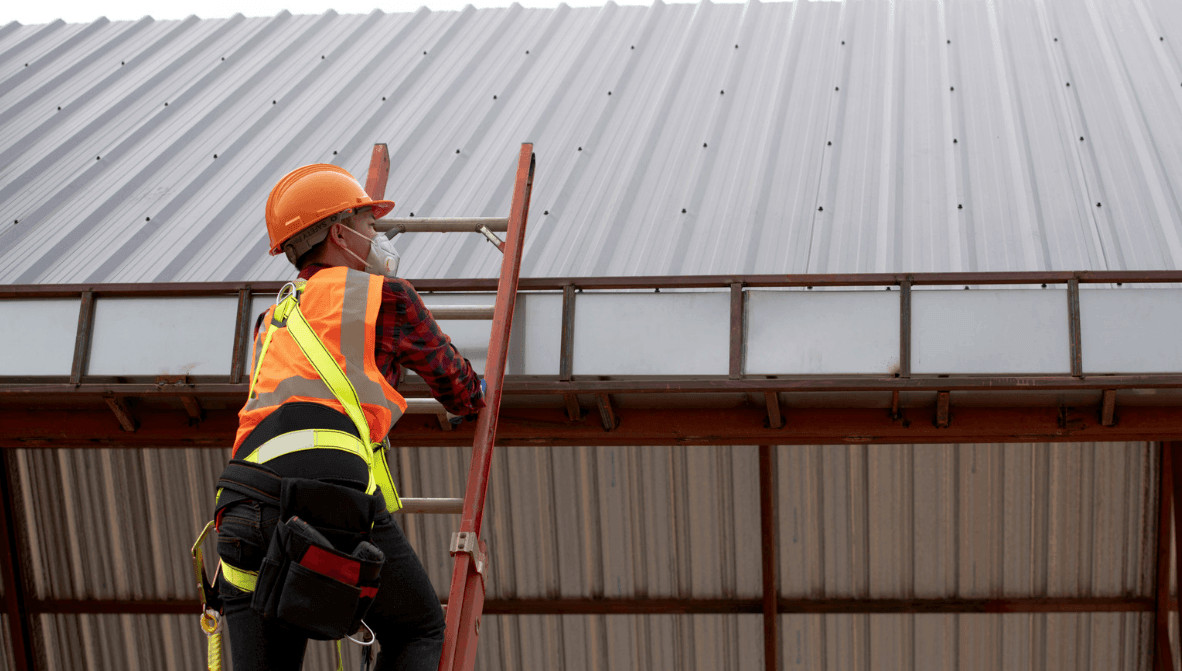
Takeaways:
- Basic roof checks and accessible gutter maintenance can be suitable DIY tasks when they can be done safely.
- Roof leaks can have hidden causes, so repeated or difficult leaks should be assessed by a professional.
- Roof replacement and new metal roof installation involve weatherproofing, drainage, flashing and other details that require proper experience.
- Melbourne weather can make roof work more hazardous, especially during rain, strong winds or extreme heat.
- Structural issues such as sagging, damaged trusses or weakened framing should be left to an appropriately qualified professional.
- When hiring a contractor, ask for a clear scope of work, understand what is included in the quote and keep records of the completed work.
Some Roof Checks Are Fine to Handle Yourself
DIY has a place in roof maintenance. You do not need to call a professional every time something looks slightly out of place.
The sensible approach is to keep your role mostly at ground level and focus on observations rather than climbing onto the roof.
Start With What You Can See Safely
After heavy Melbourne weather, walk around the property and look at the roof from the ground.
Check whether gutters appear blocked or overflowing. Look for obvious pieces of metal or debris that may have fallen onto the ground. Inside the house, check ceilings and upper walls for new water marks or damp patches.
Some basic maintenance may also be reasonable when access is safe. You can:
- Remove leaves and debris from easily accessible gutters.
- Check visible downpipes for obvious blockages.
- Look for roof damage from the ground after a storm.
- Monitor ceilings for signs of water entry.
If access requires climbing onto a steep, wet or fragile roof, stop there.
Know When Inspection Becomes Investigation
There is a big difference between noticing a problem and trying to diagnose it from the roof.
A water stain on the ceiling, for example, does not necessarily tell you where the water entered. Sealing the first gap you find may hide the symptom while the actual problem continues elsewhere.
Charles & Hudson’s guide to roof jobs worth doing yourself makes a useful distinction between routine maintenance and roofing work where mistakes can have serious consequences.
If finding the source of a leak requires you to climb onto the roof, it is time to get professional help.
Metal Roof Repairs Can Become Expensive
Metal roofing may look straightforward because the finished surface is relatively simple. The details around it are not always so simple.
A repair can involve more than replacing a visibly damaged section.
Small Leaks Can Have a Larger Cause
Suppose water appears through a ceiling after a storm. The temptation is to find the nearest visible gap and seal it.
That might work. It might not.
Roof penetrations, flashings, joins and drainage points can all play a role in a leak. The problem could involve damaged flashing, corrosion, movement or the way water is being directed across the roof.
This is why roof leaks are poor candidates for trial and error. Water can travel along roofing materials before appearing inside the home.
If a leak keeps returning or becomes worse after rain, it deserves proper assessment.
Damaged Sheets Need Assessment
A dented or damaged sheet does not automatically mean the whole roof needs replacing.
The cause of the damage matters. So does the condition of nearby sheets, fixings, flashing and supporting components.
After severe weather, avoid climbing onto the roof to investigate damage yourself. A photograph taken safely from the ground can give a roofing professional enough information to determine the next step.
Roof Installation Is Different From Maintenance
Replacing a roof is a completely different proposition from clearing a gutter.
You are dealing with roof access, weatherproofing, drainage and a system that needs to protect the home for years.
Re-Roofing Involves More Than New Metal
A roof replacement may involve removing the existing roof, checking what is underneath, installing new roofing and coordinating flashing and drainage.
Older Melbourne homes can also have a history of previous repairs or alterations. Problems hidden beneath the existing roof may only become apparent once work begins.
Covering an existing problem with new material does not solve it.
A homeowner can be perfectly capable of handling other renovation work and still decide that roof replacement belongs with an experienced professional.
New Roofs Need Proper Coordination
A new roof has to work with the rest of the house.
Roof pitch, gutters, downpipes, skylights, vents and solar equipment all need to be considered. Penetrations have to be properly detailed, while rainwater needs a clear path away from the building.
Roofing and stormwater work can also involve regulated activities in Victoria. Homeowners should check the requirements for their particular project rather than assuming a roof installation is simply another weekend renovation.
Safety Is Where DIY Should Stop
Even if you know how a repair should be done, you still need to consider whether you can do it safely.
A roof is an awkward work area. Surfaces become slippery after rain, metal can become extremely hot in strong sun, and wind can make handling roofing materials difficult.
Melbourne Weather Changes the Risk
Before getting anywhere near a roof, ask:
- Is the surface dry and suitable for access?
- Do I have appropriate access equipment?
- Can I work without approaching an unprotected edge?
- Can I safely handle the materials involved?
- Do I actually know what needs to be repaired?
If the answer raises doubts, leave the work to a professional.
A ladder does not make an unsafe roof safe. If the job requires walking across the roof, working near an edge or handling large sheets above ground, professional assistance is the sensible choice.
Structural Problems Need Professional Attention
Sagging areas, damaged trusses, weakened framing or significant movement should not be treated as ordinary maintenance issues.
They can indicate a structural problem that needs assessment before roofing work continues.
For Victorian homeowners, the Victorian Building Authority’s practitioner search can help when checking registration or licensing information relevant to building and plumbing work.
If you are questioning whether the roof structure itself is safe, do not climb up to investigate it.
Know When Professional Help Is Worth It
The decision between DIY and professional help becomes easier when you consider the consequences of getting the job wrong.
Simple observations and some accessible maintenance may be suitable for a homeowner. Roof installation, structural work, difficult leaks and major repairs are different.
Get a Clear Quote
Calling a professional does not mean accepting the first price you receive.
Ask what the contractor believes is causing the problem and what work they recommend. A useful quote should explain the proposed scope rather than simply providing a price.
If someone says the entire roof needs replacing, ask what they found. If someone recommends a repair instead, ask what makes that approach appropriate.
It is also worth asking whether related work involving gutters, flashing or drainage is included.
Keep Records of the Work
Once the job is complete, keep your quotes, invoices and relevant documentation together. Photographs of completed work can also be useful if you renovate the property again later.
Ask what maintenance the new or repaired roof will require and whether there are particular areas that should be monitored.
The goal is not to eliminate DIY from home ownership. It is to know when the job has moved beyond routine maintenance.
Final Thoughts on Choosing a Metal Roofing Contractor
DIY can be useful for basic roof maintenance, but choosing when to bring in a metal roofing contractor is an important part of protecting your home. Ground-level checks and simple maintenance may be manageable, while persistent leaks, damaged roofing, structural concerns, complex flashing work, replacement and new installation call for appropriate experience and equipment.
When hiring a contractor, look beyond the initial quote. Make sure the scope of work is clear, understand what is included, and ask how related issues such as drainage, flashing or underlying damage will be handled. For Melbourne homeowners, weather and the condition of the existing roof can also influence how and when the work should be carried out.
The best contractor is not simply the one who can fix the visible problem, but one who can identify what caused it and provide a practical solution that protects the roof for the long term.