My neighbor replaced his furnace in October, went with the biggest unit the sales guy had on the truck, and spent the winter opening windows in January. That’s a true story, and it’s not rare. The single most common mistake in residential heating isn’t picking the wrong brand. It’s getting the furnace sizing wrong
Here’s what you actually need to know before you sign anything. A furnace that’s too large short-cycles, wears out faster, and leaves cold rooms behind. A furnace that’s too small runs constantly and never quite catches up on the coldest nights. The sweet spot is a specific number, and it comes from math, not from a salesperson’s gut. If you’ve already decided to replace rather than repair, the folks at furnace installation in Denver walk through the load calculation first, which is the right order of operations. Most contractors quote first and measure later. That’s backwards.
So let’s talk about how sizing actually works, why the “bigger is safer” instinct is dead wrong, and what questions to ask before anyone hands you a proposal.
Furnace sizing: what the load calculation actually measures
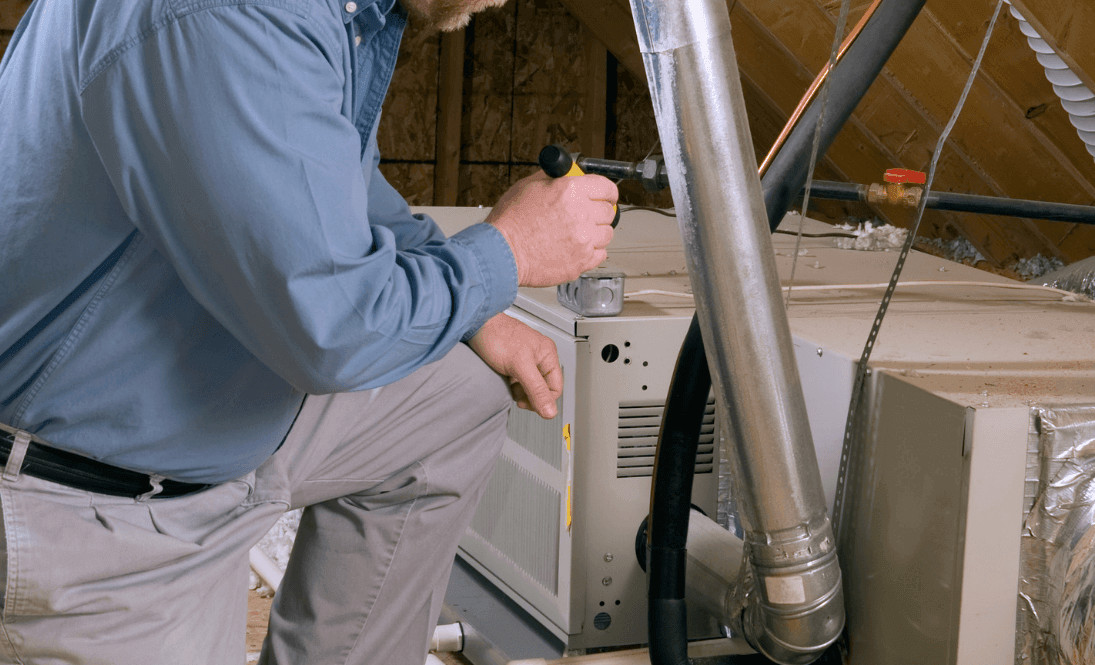
Every properly sized furnace starts with a Manual J load calculation, which is a room-by-room estimate of how much heat your house loses on the coldest day of the year. It factors in window square footage, insulation R-values, ceiling height, door swings, orientation to the sun, and local design temperature.
That last one matters more than most people realize. A house in Denver at 6,000 feet loses heat differently than the same floor plan at sea level, partly because of altitude effects on combustion and airflow. According to the Department of Energy, heating and cooling account for the largest share of a typical home’s energy use, which is exactly why getting the number right pays off every month for the next fifteen years.
I’ll be blunt: any contractor who sizes your furnace by square footage alone is guessing. Square footage is a starting point, not an answer. A 2,000 square foot house with single-pane windows and no attic insulation needs a very different furnace than a 2,000 square foot house with a tight envelope and a new roof.
If you want a rough number before anyone visits your house, heating guides often suggest 30 to 60 BTU per hour per square foot, with colder climates generally requiring more heating capacity. Denver falls in IECC Climate Zone 5B, which is classified as cold and dry. Treat that range as a sanity check on the contractor’s estimate, not a replacement for a proper Manual J load calculation. If the results differ significantly, ask the contractor to explain the assumptions behind the calculation.
Why an oversized furnace costs you more, not less
Oversizing feels safe. It isn’t. Here’s the mechanical reason.
A furnace that’s too big hits your thermostat setpoint in seven or eight minutes, shuts off, waits for the temperature to drop, then fires again. That’s called short cycling, and it does three bad things at once. It puts wear on the heat exchanger and blower motor with every start. It wastes energy on the ignition sequence. And it leaves the far bedrooms cold, because the blower never runs long enough to push conditioned air all the way down the hall.
You also lose humidity control in winter, which sounds minor until your hardwood floors start gapping and your family gets static shocks every time they touch a doorknob. An oversized furnace dries the house out.
My take: if a contractor recommends a unit that’s more than one size larger than the load calculation calls for, ask why. There’s rarely a good answer.
What about the ductwork nobody mentions?
Your furnace can only move as much air as your ducts allow. This is the part of the conversation that gets skipped, and it’s the one that decides whether that new equipment actually performs.
If your ducts were sized for a 80,000 BTU furnace and you install a 120,000 BTU unit, you’ve created a bottleneck. Static pressure climbs, airflow drops, and the furnace runs hotter than it should. The American Society of Heating, Refrigerating and Air-Conditioning Engineers publishes the standards that most jurisdictions reference for duct design and airflow, and the underlying principle is simple: the air side of the system has to match the heat side.
Sometimes the right answer is a smaller furnace plus duct sealing. Sometimes it’s a duct redesign. Sometimes the ducts are fine and you just need the right blower setting. No two houses are identical here, which is why a walkthrough matters.
What size furnace do I need? Run the three-number check on every quote
I call this the three-number check, and it takes about ten minutes to run on any proposal you receive.
- The load number. Ask for the calculated BTU output. If the contractor can’t produce it, that’s a signal. It should be a specific figure, not a range.
- The efficiency number. Annual Fuel Utilization Efficiency, or AFUE, tells you how much of the fuel becomes heat. Higher numbers cost more upfront and save more over time. The break-even point depends on your climate and how long you plan to stay.
- The airflow number. Ask what CFM the system will move and whether your existing ducts support it. If they don’t, get that in writing as part of the scope.
If a quote answers all three, you’re dealing with someone who knows what they’re doing. If it answers only the efficiency number, keep shopping.
Quick note on units, because quotes mix them up. A BTU is the heat needed to raise one pound of water by one degree Fahrenheit, and furnaces are usually labeled by input BTUs, the fuel burned per hour. What reaches your rooms is the output, which is input times AFUE. A 100,000 BTU furnace at 80 percent AFUE delivers 80,000 BTU of heat, so compare the output to your load calculation, not the number on the box.
Single stage, two stage, or modulating?
This is the second decision, and it’s tied directly to sizing.
Single stage furnaces run at full blast or off. Two stage units run at roughly 65 percent most of the time and kick to full output on cold snaps. Modulating furnaces ramp anywhere from about 35 percent to 100 percent, matching output to demand almost continuously.
The smaller your heat load, the more a modulating furnace makes sense, because it can run low and slow for hours. In a leaky house with a huge load, you’d rarely notice the difference. Here’s the thing though: a modulating furnace paired with oversized equipment is a waste of money, because it’ll never get to modulate. You’re paying for capability you can’t use.
If I were replacing my own furnace in a house with decent insulation, I’d go to two stages and put the savings into attic air sealing. That combination beats a fancy furnace in a leaky house every time.
Timing, permits, and the boring stuff that matters
Furnace replacements generally require a permit in most jurisdictions, and inspections typically cover gas line connections, venting, and combustion air. Skipping the permit can bite you at resale. It also voids some manufacturer warranties.
The National Institute of Standards and Technology maintains the reference standards that underpin much of the measurement and testing equipment used in the trades, which is a roundabout way of saying: the testing protocols your contractor uses aren’t arbitrary. They’re traceable.
On timing, late summer and early fall are the slowest weeks for HVAC crews in most markets. You’ll get better attention, more scheduling flexibility, and often a better price than you will in the middle of a January cold snap when everyone’s furnace has quit at once.
What to do this week
In short, furnace sizing is a calculation, not a guess, and the right size is the one that matches your home’s heat loss. Pull your last three winter utility bills and look at the peaks.
If your usage has climbed year over year with no rate change to explain it, your current furnace may be losing efficiency. Before replacing it, consider whether maintaining your home furnace through regular servicing and filter changes could improve its performance.
Then get two or three estimates, and insist that each one includes a load calculation. Compare the numbers side by side. You’ll learn more from that exercise than from any amount of brand research.
The furnace that’s right for your house is the one the math picks. Not the biggest one on the truck, and not the cheapest one on the invoice. Ask your contractor what number they came up with, and why.