Siding plays a major role in protecting homes from weather, moisture, pests, and temperature changes. It also has a major impact on curb appeal, energy efficiency, and overall property value.
Over time, siding materials naturally wear down due to exposure to sunlight, storms, moisture, and seasonal weather conditions. Recognizing the early warning signs of siding damage can help homeowners prevent more expensive structural problems and improve long-term home protection.
Whether your siding is aging or visibly damaged, understanding the signs that it may be time for replacement can help homeowners make informed decisions about exterior improvements.
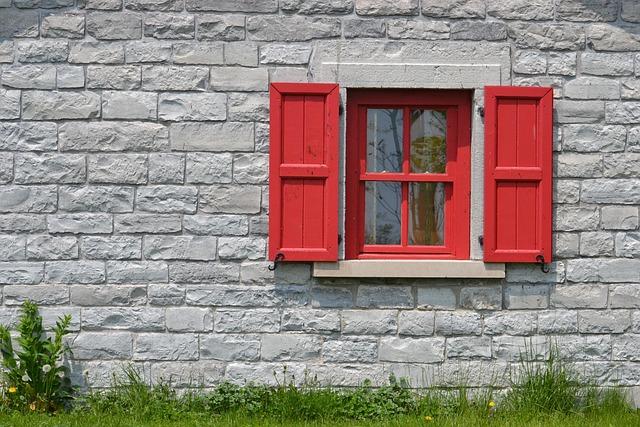
Why Siding Is Important for Your Home
Siding acts as one of the primary protective barriers for residential properties.
Weather Protection
Siding helps shield homes from rain, wind, snow, and moisture intrusion.
Energy Efficiency
Proper siding and insulation help regulate indoor temperatures and reduce energy loss.
Curb Appeal
Exterior appearance significantly affects how homes look and how buyers perceive the property.
Cracks, Warping, or Visible Damage
Visible exterior damage is one of the clearest signs siding may need replacement.
Cracked Siding Panels
Cracks may allow moisture to penetrate behind the siding.
Warping or Buckling
Warped siding can indicate moisture problems or structural movement.
Loose or Missing Siding
Storm damage and aging may cause siding panels to loosen or detach.
Fading and Discoloration
Sun exposure gradually affects siding appearance over time.
Severe Color Fading
Significant fading may indicate siding materials are reaching the end of their lifespan.
Uneven Appearance
Discoloration may reduce curb appeal and make homes appear older.
Higher Energy Bills
Damaged or aging siding may reduce home energy efficiency.
Poor Insulation Performance
Gaps or weakened siding may allow heated or cooled air to escape.
Increased HVAC Usage
Heating and cooling systems may work harder to maintain indoor temperatures.
Mold, Mildew, and Moisture Problems
Moisture intrusion behind siding can create serious issues.
Mold Growth
Excess moisture can lead to mold or mildew development.
Rotting Materials
Water damage may weaken wood framing and structural components.
Interior Moisture Issues
Damaged siding can eventually contribute to indoor water problems.
Peeling Paint or Frequent Maintenance
Exterior surfaces that require constant repainting may indicate siding deterioration.
Moisture Retention Problems
Damaged siding may trap moisture beneath painted surfaces.
Aging Materials
Older siding materials often require more maintenance over time.
Pest and Insect Damage
Certain siding materials may become vulnerable to insects or pests.
Wood Rot and Insect Activity
Moisture-damaged siding may attract termites or other pests.
Small Holes or Soft Spots
Visible deterioration may indicate structural siding damage.
Storm Damage Warning Signs
Storms can damage siding in several ways.
Hail Damage
Hail may crack or dent siding surfaces.
Wind Damage
Strong winds can loosen siding panels or expose vulnerable areas.
Flying Debris
Tree branches and debris can impact exterior materials during storms.
Siding Lifespan by Material
Different siding materials have different expected lifespans.
Vinyl Siding
Most vinyl siding lasts between 20 and 40 years, depending on quality and maintenance.
Fiber Cement Siding
Fiber cement siding often lasts 30 years or longer.
Wood Siding
Wood siding lifespan depends heavily on maintenance and weather exposure.
Benefits of Replacing Old Siding
New siding can improve both appearance and functionality.
Improved Curb Appeal
Modern siding creates a cleaner and updated exterior appearance.
Better Energy Efficiency
New siding systems often include improved insulation options.
Increased Property Value
Exterior improvements may improve resale appeal and buyer confidence.
Reduced Maintenance
Modern siding materials generally require less upkeep than older products.
Choosing the Right Siding Material
Several factors influence siding selection.
Climate and Weather Conditions
Certain siding materials perform better in specific climates.
Budget and Long-Term Goals
Homeowners should consider both upfront cost and long-term maintenance.
Appearance Preferences
Siding style and color impact overall curb appeal.
Why Professional Siding Installation Matters
Proper installation affects siding performance and durability.
Moisture Protection
Professional qualified LP SmartSide contractor helps prevent water intrusion behind siding panels.
Energy Efficiency
Correct insulation and sealing improve indoor comfort.
Long-Term Durability
Quality workmanship helps maximize siding lifespan.
Protect Your Home With Updated Siding
Siding protects your home from weather, moisture, and structural damage while improving curb appeal and efficiency.
Recognizing signs of siding deterioration early can help homeowners avoid larger repair costs and maintain long-term property value.