A shop vac and a few fans can handle a minor spill, but water that reaches walls, insulation, or flooring creates a different problem. Moisture can remain after surfaces look dry, giving mold time to develop and weakening materials that support the home. Knowing where a shop vac ends and professional water extraction begins helps you avoid turning a manageable incident into an expensive repair.
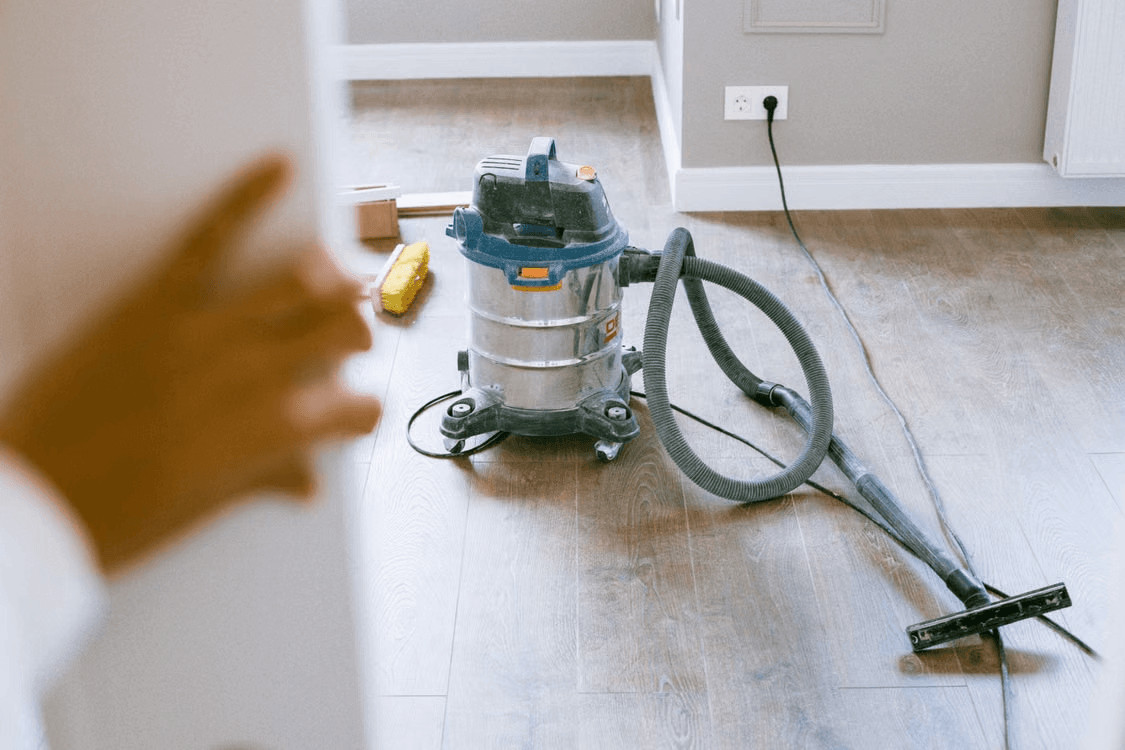
Image Credit: Pexels
Shop Vac vs Professional Water Extraction: Where the Boundary Sits
Use a wet-dry shop vac for a small amount of clean water on a hard, accessible surface. Stop if water has entered wall cavities, spread beneath finished flooring, or come into contact with electrical components. Standard vacuums should never be used for liquid pickup.
A shop vac removes visible water, but it doesn’t measure moisture inside wood or drywall. It also can’t safely handle water affected by outdoor runoff or a backed-up drain. If water has spread into concealed areas, affected multiple rooms, or come from a potentially contaminated source, professional flood damage assessment and mitigation may be needed. Restoration professionals can assess the affected materials, determine the appropriate drying methods, and document the damage for an insurance claim.
The difference is capacity as much as suction. A shop vac tank fills quickly and mostly lifts surface water. Professional extractors move far more water and can pull it from carpet padding.
The Science of Trapped Wall Humidity
Water moves through a home by gravity, air movement, and vapor diffusion. An overview of moisture movement explains why dampness rarely stays confined to the spot where you first see it. Water may wick upward through drywall paper, migrate beneath baseboards, or become trapped between insulation and exterior sheathing.
Running a household fan can dry the room-facing surface while moisture remains deeper in the assembly. Paint and vinyl wall coverings may slow evaporation further. Guidance on drying water-damaged materials explains why drying methods need to account for moisture trapped in building materials and why more extensive damage may require professional equipment.
Watch for soft drywall, peeling finishes, swollen trim, and persistent odors. A pin or pinless moisture meter can help with initial checks, though readings require comparison with dry materials elsewhere in the home.
Professionals also look where you can’t. Thermal imaging and moisture meters can reveal water behind baseboards, under flooring, and inside walls, showing what must be opened and what can dry in place.
Hidden Costs of Unaddressed Flood Damage
Delayed drying often expands the repair area. A wet section of drywall may become moldy, engineered flooring can separate, and damp cabinets may swell beyond adjustment. Water can also stain ceilings below the original leak, revealing that it traveled farther than expected.
Timing matters too. According to the EPA’s mold prevention guidelines, wet materials should be dried within 24 to 48 hours to reduce the risk of mold growth. Simply removing standing water with a shop vac may not be enough if carpet padding or subflooring remains damp. Without thorough drying, moisture trapped beneath the surface can still encourage mold growth.
Cost comparisons should include extraction, drying time, material replacement, and possible temporary accommodations. Photograph each room before moving items, keep receipts, and record when the water appeared. Those details may help an adjuster understand the event and the steps taken to limit further loss.
When Professional Water Extraction Equipment Is Essential
Commercial drying becomes necessary when moisture covers multiple rooms, reaches porous materials, or remains elevated after surface water is gone. Restoration teams use high-capacity extractors, air movers, and dehumidifiers sized for the affected space. They also track readings over time instead of judging progress by touch.
General home moisture control depends on limiting water entry and giving damp materials a reliable path to dry. In a major incident, equipment placement matters. Too much uncontrolled airflow can spread contaminants, while inadequate dehumidification may simply move moisture from one surface to another. Call for help promptly if water came from an unsanitary source, entered electrical areas, or affected ceilings and structural components.
Safe Deconstruction Protocols
Turn off power to affected areas only when you can reach the electrical panel without crossing standing water. Keep children and pets away, wear gloves, eye protection, and protective footwear, and avoid disturbing materials that may contain asbestos or lead. Homes built before modern material restrictions may require testing before demolition begins.
Professionals often remove damaged finishes in a controlled sequence, document each layer, and create clean cuts that simplify rebuilding. If you’re handling a limited clean-water incident, mark the visible moisture line, take photos, and bag debris as you work. Don’t close an opened wall until framing and surrounding materials have reached suitable moisture levels. A dry surface alone isn’t enough. If readings stay high after the shop vac, professional water extraction should take over.