When it comes to adding storage space to your property, choosing between a shed and a garage is an important decision. Both structures offer practical benefits, but they differ in size, cost, construction requirements, and everyday functionality.
Factors such as available yard space, local weather conditions, and long-term maintenance can influence which option makes the most sense for homeowners across North America.
Understanding these seven key differences between a shed and a garage can help you choose a storage solution that fits your needs and budget.
In short, a shed suits smaller equipment and a tighter budget, while a garage suits vehicles, workshop space, and long-term flexibility.
Sheds Make Everyday Outdoor Storage Easier
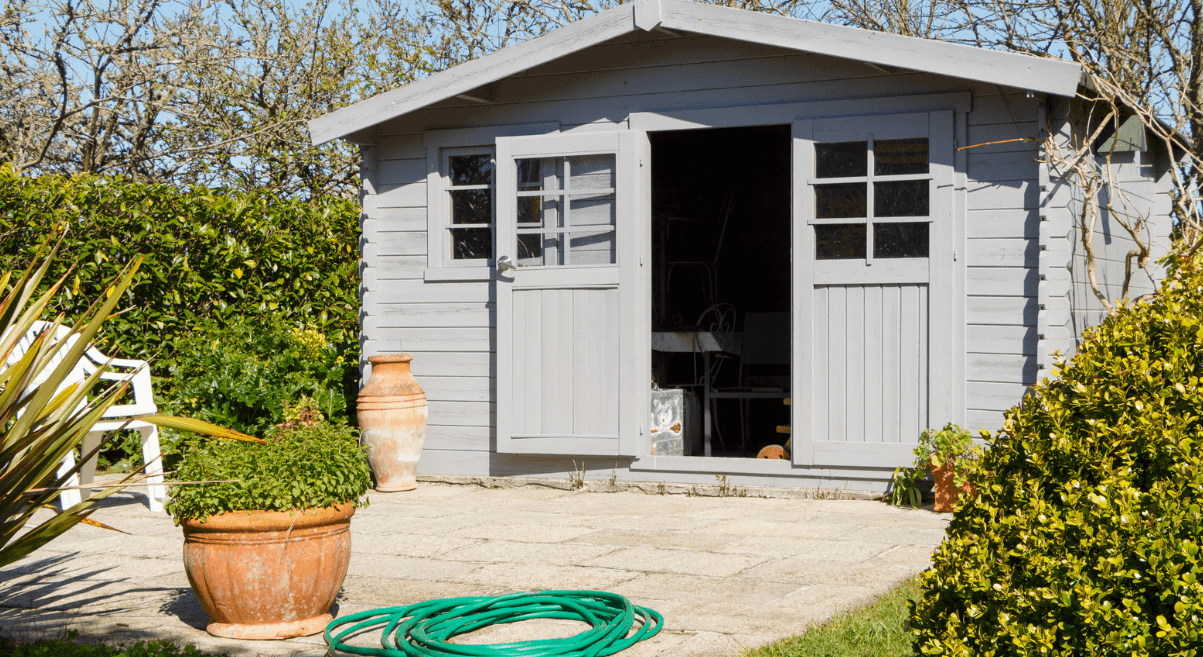
If your main concern is keeping gardening tools, lawnmowers, bicycles, and seasonal decorations organized, a storage shed may be the practical choice.
Unlike garages, sheds are generally smaller and designed specifically for storing household and outdoor equipment. They can fit into various backyard layouts without taking up as much space as a traditional garage.
Horizon Storage Sheds is one company homeowners can explore when considering dedicated outdoor storage solutions. Comparing shed sizes, materials, features, and shed prices can help determine which option offers the best value for your property.
For homeowners who don’t need vehicle storage, a well-designed shed can provide convenient organization without the expense of a larger structure.
Garages Give You More Room for Vehicles and Projects
While sheds are ideal for smaller equipment, garages offer greater versatility, particularly for homeowners who need protected vehicle parking.
A garage can accommodate cars, motorcycles, bicycles, tools, and larger equipment. Depending on its size and design, it may also serve as a workshop or additional household storage area.
The clearest dividing line is vehicle access. A garage has an overhead door and a floor and foundation built to carry a vehicle, while a shed usually has a smaller double door and a lighter floor.
Homeowners exploring larger property improvements can research prefabricated building options from companies such as Star Ready To Move Homes. Comparing garage kits can also provide insight into different layouts, construction methods, and budget requirements.
A garage may be the better investment when vehicle protection, workspace, and long-term flexibility are priorities.
Cost Differences Between a Shed and a Garage
One of the biggest differences between a shed and a garage is the overall construction cost.
Sheds are typically more affordable because they require fewer materials, less space, and simpler construction methods. Some prefabricated models can also reduce installation time and labor expenses.
Garages generally involve higher upfront costs due to their larger dimensions, foundation requirements, vehicle-access doors, and potential electrical installations.
However, the cheapest option isn’t necessarily the best long-term choice. Homeowners should compare installation expenses, material quality, maintenance requirements, and intended use before making a decision.
Building Permits Can Change Your Plans
Before installing either structure, it’s important to understand local building regulations.
Building permit requirements vary across the U.S. and Canada, depending on the structure’s size, foundation, location, and intended use.
Smaller sheds may qualify for certain permit exemptions, while larger sheds and garages often face additional requirements. However, even structures that don’t require building permits may still need to comply with local zoning rules and property setback requirements.
Homeowners should contact their local building department before purchasing materials or scheduling construction.
Confirming these requirements early can help prevent unexpected expenses, construction delays, or compliance issues.
How Local Weather Conditions Affect Sheds and Garages
From heavy snowfall in northern U.S. states and Canada to hot, humid summers in warmer regions, local weather conditions make durability an important consideration when comparing sheds and garages.
Both structures can protect belongings from rain, snow, and wind, but their effectiveness depends heavily on construction materials and design.
A properly built shed with durable roofing, weather-resistant siding, and adequate ventilation can provide reliable protection for outdoor equipment.
Garages may offer additional protection, especially when equipped with insulation, weather-sealed doors, and appropriate ventilation.
Regardless of which structure you choose, consider local weather conditions, moisture management, and temperature changes to support year-round performance.
How Shed and Garage Maintenance Needs Differ
Every outdoor structure requires maintenance, but the amount of upkeep can vary considerably.
Sheds generally have fewer components to maintain. Routine tasks may include inspecting the roof, checking door hinges, cleaning gutters where installed, and preventing moisture buildup.
Garages can require additional attention because of their larger size and more complex features. Garage doors, electrical systems, insulation, and foundations may need periodic inspection or professional servicing.
Construction materials also matter. For example, wood structures may require regular staining or painting, while certain metal and vinyl products may need less frequent surface maintenance.
Choosing durable materials and addressing minor problems early can help extend either structure’s lifespan.
Think About How You’ll Use the Space in the Future
A shed or garage should meet your current needs while supporting your future plans.
Sheds can improve backyard organization, free up space inside the home, and provide convenient access to seasonal equipment.
Garages may offer broader functionality, particularly for households with multiple vehicles or homeowners interested in workshop space.
Security is another difference. A garage’s solid walls and locked door keep vehicles and tools out of sight, while a shed’s security depends more on its lock, door, and placement in the yard.
Both structures can contribute to a property’s usefulness, although their impact on resale value depends on local market conditions, construction quality, and buyer preferences.
Consider how your storage requirements might change over time before deciding which investment makes the most sense.
Which Is Right for Your Home: A Shed or a Garage?
Choosing between a shed and a garage comes down to your storage needs, available space, and budget. By comparing the differences between a shed and a garage in construction costs, durability, maintenance, and long-term functionality, homeowners can make a practical and informed decision.