Homeowners often overlook early warning signs of exterior deterioration, but addressing hidden moisture risks preserves structural value over time.
Minor flaws on your roof often point to systemic issues developing out of sight. A loose piece of flashing or a lifted shingle might seem like an easy cosmetic issue to delay. Water rarely stays on the surface when exterior components shift – instead, tiny pathways let leaks reach framing long before a drip hits the ceiling. Quick repairs keep small flaws from becoming major home restoration needs and protect foundations, attic spaces, and drywall from expensive structural rot.
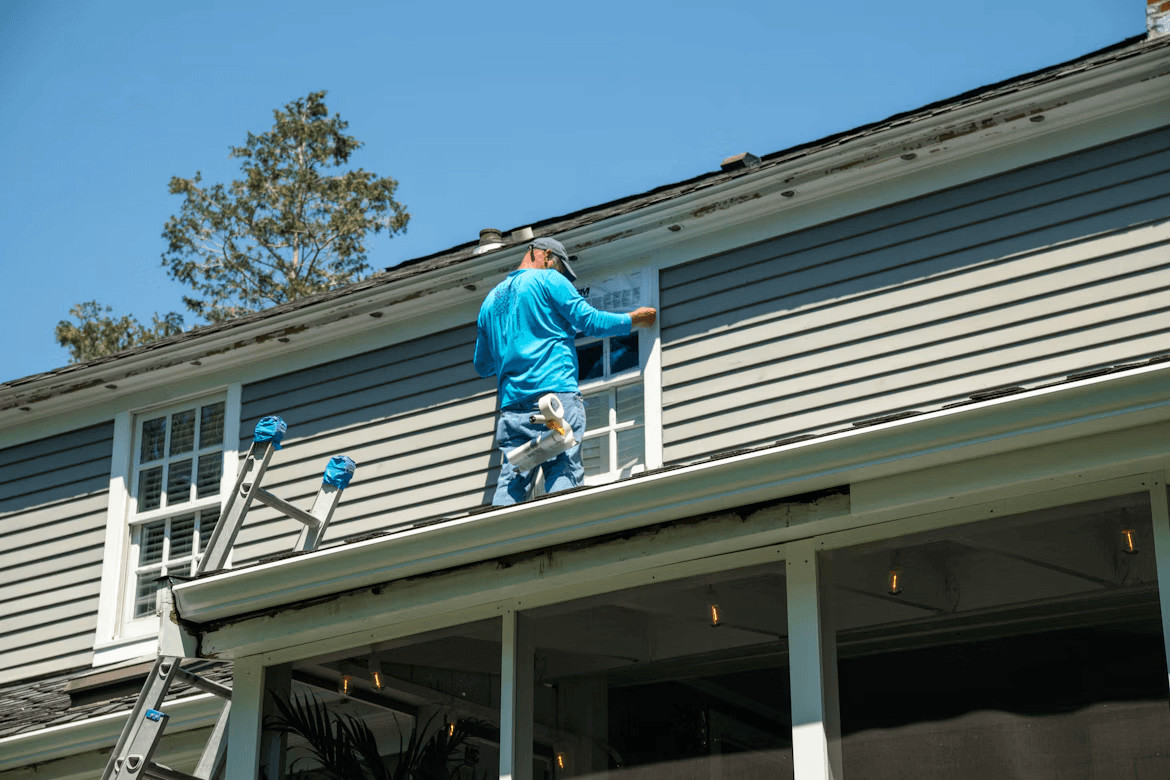
How do you select verified exterior specialists for long-term care?
Protecting a home requires experienced contractors who understand complete building enclosures. Property owners often hire established contractors like Great State Roofing to complete structural evaluations before minor leaks cause widespread rot. Skilled specialists inspect how shingles interact with siding, gutters, and ventilation rather than applying temporary surface patches.
State licensing boards maintain records of active licenses, insurance status, and past disciplinary actions. Always ask for a contractor license number and verify it through your state registry. This check confirms that your contractor carries active liability coverage and workers’ compensation insurance of at least $1,000,000.
Written estimates allow you to compare project scopes and material grades across different companies. Request detailed bids from at least 3 contractors, breaking down labor, supplies, and completion dates. Clear paperwork prevents misunderstandings regarding project expectations and guarantees transparency from day one.
How does unaddressed water damage create bigger home restoration needs?
Water follows the path of least resistance, traveling along rafters, support beams, and wiring channels far from the original entry point. A leak originating near the ridge cap can pool above a completely different room, making the root cause difficult to track without diagnostic tools. Dark structural cavities then trap damp air, weakening wooden framing members and reducing the thermal performance of house insulation.
A roofing report published by R4 Roofing notes that unresolved leaks destroy attic insulation and degrade structural rafters, quickly turning minor shingle fixes into $5,000 structural overhauls. When wood absorbs water continuously, its load-bearing capacity declines and threatens the stability of surrounding building components. Remediation at this advanced stage requires extensive structural reconstruction rather than a simple exterior patch.
Because the roof hides most of this damage, the first clues usually show up inside the house. Look for brown or yellow stains on ceilings and upper walls, peeling paint, and a musty smell that returns after cleaning.
Floors that feel soft or look warped near an exterior wall can also point to moisture working its way down from above. Persistent dampness lets mold grow, which can affect indoor air quality, so these signs deserve a prompt inspection rather than a fresh coat of paint.
Why are detailed material checks crucial for property preservation?
Comprehensive material checks confirm that every layer of your roof assembly performs its intended job. Surface materials like shingles or tiles serve as the primary shield against weather, and underlying components provide critical backup defense. Thorough inspections verify the condition of synthetic underlayments, ice barriers, and metal flashings surrounding roof penetrations.
Roof flashing deserves focused attention during every routine maintenance evaluation. Flashing directs rainwater away from vulnerable intersections, such as chimneys, skylights, dormers, and wall junctions. An inspection guide from Allied Property Inspections points out that cracked caulking, rusted corners, and improper fasteners cause most chimney leaks. Inspecting these seams regularly confirms that sealants stay flexible and metal components stay firmly fastened against 60 mph winds.
Key Areas for Flashing Inspections
- Inspect sealant seams: Verify that caulking around flashing joints adheres tightly without cracking.
- Examine valley lines: Clear debris from valleys where water concentrates to prevent backup under shingles.
- Check edge metal: Confirm drip edges channel runoff cleanly into gutters rather than down fascia boards.
- Review ventilation openings: Confirm that intake and exhaust vents remain clear of organic debris or nests.
How does proper attic ventilation extend system lifespan?
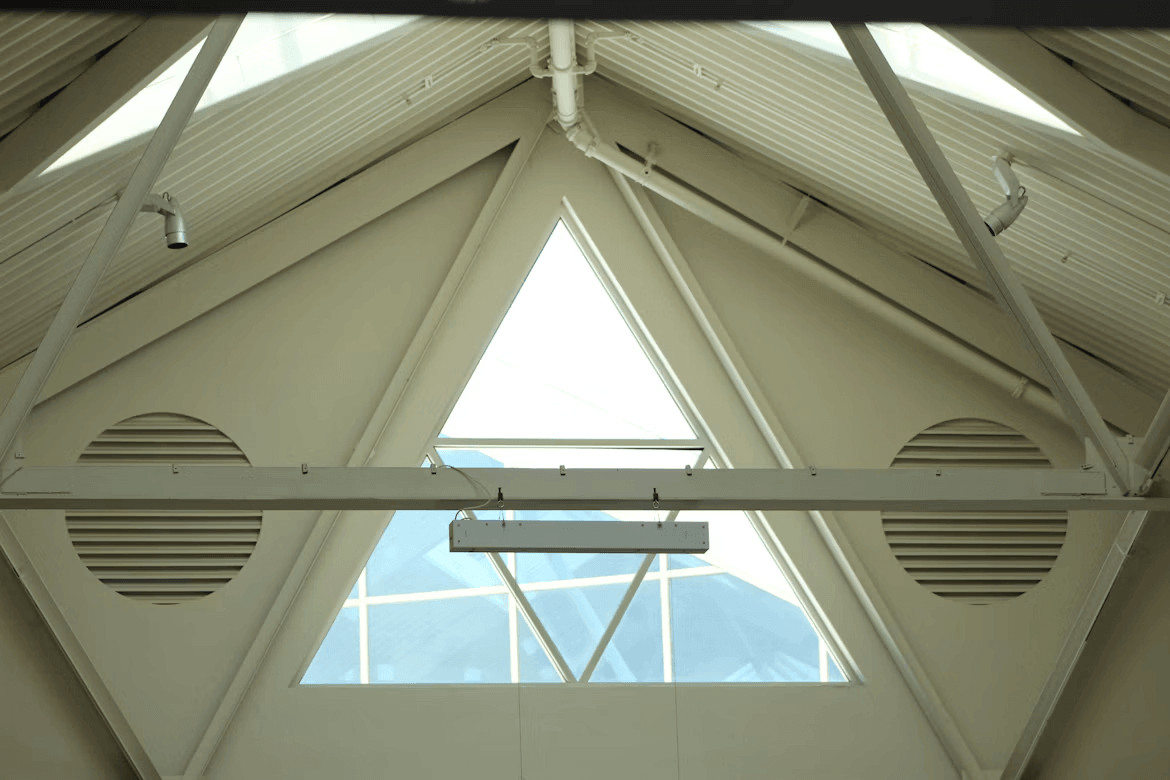
A healthy roof system relies on balanced airflow underneath the deck just as much as protective materials on top. Ventilation balances temperature and humidity levels inside the attic space throughout the changing seasons. Without adequate airflow, heat and humidity build up, causing damage to roofing materials above and structural components below.
During warm months, solar heat builds up inside unventilated attic spaces, baking the roof deck from underneath. This heat causes asphalt shingles to age prematurely, shed protective granules, and curl at the edges. During cold winter periods, indoor humidity from cooking and showers drifts upward into rafters. Trapped vapor then condenses on roof sheathing, promoting wood decay and cutting insulation efficiency by 30%.
Maintaining proper airflow prevents ice dam formation in freezing climates. Warm attic air melts snow on upper roof sections, and the runoff refreezes at unheated eaves to create an ice ridge. Water pools behind this ice barrier and forces a pathway under shingles into interior living spaces. Balanced ventilation maintains a uniform deck temperature to stop this destructive cycle.
What should you ask a contractor before signing a home restoration contract?
Restoration and reconstruction are not the same job, and knowing which one your home needs shapes every estimate you receive. Restoration focuses on drying, cleaning, and repairing materials that can still be saved, such as damp drywall, insulation, and minor roof components.
Reconstruction applies when damage reaches the framing or roof deck and parts of the structure have to be rebuilt. Asking a contractor which category applies to your home keeps bids comparable and helps you avoid paying for more work than the damage requires.
Asking direct questions clarifies project management standards and daily job site safety. Inquire about the exact crew members who will complete the work and whether a dedicated site supervisor remains on location. Understanding who handles each task creates clear lines of communication throughout the build.
Clarify how the roofing crew handles unexpected structural rot discovered beneath old shingles. A reliable company documents rotted plywood decking or damaged trusses with photos before completing extra work. Written change orders protect both parties by detailing cost adjustments before any extra repairs begin.
Discuss property cleanup protocols and yard protection measures before work commences. Ripping off an old roof generates hundreds of pounds of debris, including nails, shingles, and synthetic underlayment. Confirm that the contractor covers landscaping with tarps, runs magnetic sweepers across driveways, and includes debris haul-away in the written agreement.
What long-term benefits come from proactive maintenance?
Investing in routine exterior maintenance safeguards structural framing and prevents sudden emergency repairs. Small maintenance steps taken this spring eliminate the need for costly interior drywall fixes later. Keeping up with minor tune-ups protects property value, curbside appeal, and energy efficiency across every season.
Routine maintenance extends the service life of existing materials, maximizing the return on your initial investment. Simple tasks like clearing gutters, trimming overhanging tree limbs, and replacing cracked flashings stop rainwater from breaching exterior barriers. Keeping detailed repair invoices creates a verifiable service history for future home buyers.
Paying attention to small exterior indicators keeps your home secure, dry, and structurally sound through severe weather. Scheduling regular inspections guarantees small defects get resolved before they compromise your living space. Taking action early spares your household budget from avoidable structural reconstruction costs and keeps your home restoration needs small.