Homeowners move past stark functional counters by integrating curated culinary accents and visual themes that add personality to everyday family cooking.
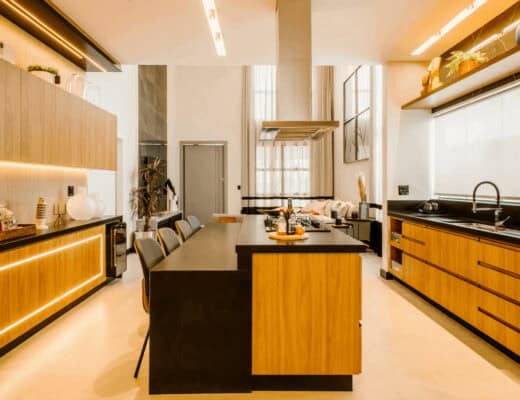
Modern architecture treats culinary spaces as the beating heart of the home, transforming rooms once reserved solely for meal preparation into living areas rich with personal storytelling. You likely notice that contemporary interior design leans heavily into warm textures, moving away from sterile kitchen cabinetry and white tiles, cold stainless steel, and uniform stone surfaces. When you soften these crisp lines with thoughtful layers, your cooking zone becomes an inviting backdrop for family life and casual gatherings.
How Can Warm Graphic Tones Soften Sterile Kitchen Cabinetry and Cold Steel?
Sleek metal appliances and polished stone counters offer undeniable utility, but they can easily make a room feel clinical. You combat this chill by introducing warm graphic elements that bring character back into your daily routine. Interior specialists note that balancing high-shine hardware with organic touches creates an immediate sense of comfort.
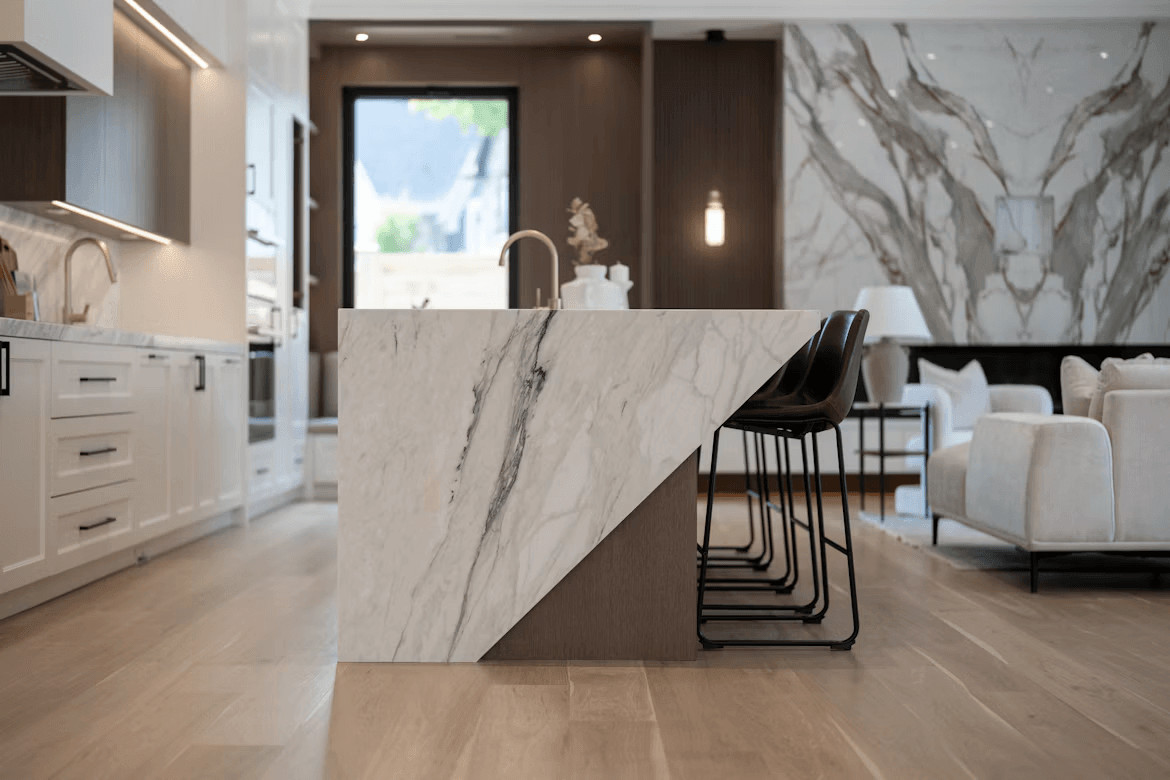
Adding illustrated artwork introduces visual depth that breaks up hard quartz islands and plain cabinetry. A simple print featuring warm terracotta or deep sepia tones grounds surrounding metal finishes. Displaying natural timber cutting boards and hand-carved bowls helps break up cold expanses of marble.
Wood can do more for a white kitchen than any single print. A butcher-block island top, light oak stools, or a timber open shelf add grain and warmth at a larger scale than cutting boards and bowls. Keeping the wood tone light and repeating it in two or three places, such as a stool, a shelf, and a tray, ties the room together without competing with white cabinets and tiles.
How Can Vintage Food and Beverage Art Transform Casual Entertaining Spaces?
Casual dining areas thrive when walls reflect the history of shared meals and good company. Designers frequently recommend integrating classic botanical charts, antique beverage advertisements, and heritage produce studies into breakfast nooks.
These vintage visuals invite nostalgia into the room, creating an engaging talking point for guests as you cook.Framing historic cafe posters or vintage fruit labels establishes a direct link to classic European bistros.
When curating your visual themes, choose moisture-resistant, glass-fronted prints for the kitchen to protect paper textures from ambient humidity and maintain crisp color fidelity. This simple styling choice adds depth to plain walls without cluttering valuable prep space. Art collections celebrating heirloom vegetables or heritage coffee labels anchor your broader aesthetic and honor traditional home cooking.
What Steps Protect Wall Displays Against Steam, Moisture, and Cooking Splatter?
Active cooking zones generate constant steam, grease particles, and liquid splashes that quickly ruin unprotected paper art. You preserve your favorite wall displays by utilizing sealed framing techniques and durable substrates that withstand daily temperature swings. Proper preservation keeps your gallery wall bright and clean for years.
Moisture seeping behind unsealed picture glass causes paper prints to ripple within a few months. A design feature on About Wall Art advises homeowners to opt for prints or artwork under glass or in sealed frames to protect them from humidity and grease. Spending $15 on archival backing tape and silicone sealant provides a solid barrier against airborne cooking oils.
- Seal frame edges: Apply a thin bead of archival silicone along the back rabbet to block moisture from seeping behind the glass.
- Hang away from ranges: Position delicate paper pieces outside the direct plume of steam rising from boiling pots and stovetops.
- Choose wipeable acrylic: Opt for high-grade framing acrylic over standard glass to reduce weight and prevent shattering in busy family corridors.
Where Should You Hang Artwork to Avoid Heat and Mess?
Selecting the right mounting location matters just as much as choosing the artwork itself. Wall space directly above cooktops experiences high heat spikes that melt glues and distort delicate paper fibers. Mounting prints at least 60 cm away from burners keeps your collection safe from bubbling grease splatter.
Dining nooks, coffee bars, and open pantry walls offer protected zones that let your art shine without taking heat damage. A framing overview from Fab Art observes that materials matter more here than in any other room, and the choice between canvas and framed print under glazing has real consequences. Pairing durable acrylic glazing with adequate physical clearance creates a setup that lasts through decades of dinner parties.
Spacing art away from sink basins protects delicate frames from soapy water drops and scrubbing accidents. Setting frames 20 cm above countertops prevents pooling liquids from creeping up lower molding joints. Thoughtful positioning keeps your frames pristine without demanding constant maintenance.
Which Matting and Glazing Choices Keep Framed Art Looking Fresh?
Framing choices dictate how long a print survives in an active cooking space. Standard picture mats made of wood pulp contain acid that turns delicate paper yellow under bright kitchen light. Selecting 100% acid-free rag mats preserves the crisp white borders of your favorite culinary prints.
Glazing Upgrades That Resist Daily Splatter
Standard float glass reflects overhead lights and adds heavy weight to wall hooks. Anti-reflective acrylic shields prints from 99% of harmful ultraviolet rays and resists sudden temperature changes. A simple $20 acrylic upgrade protects your culinary prints from fading and makes grease cleanups effortless.
Adding archival spacers between the glass and the art surface stops condensation from sticking to printed ink. Spacers create a 3 mm air cushion that lets paper breathe through changing seasons. This small detail prevents permanent adhesion between delicate ink and framing glazing.
How Can You Balance Lighting and Color Palette Around Food Prints?
Kitchen lighting makes or breaks the appearance of wall art across different times of day. Harsh 5000K daylight bulbs wash out subtle food illustrations and make dining spaces feel cold. Switching to warm 2700K or 3000K LED fixtures highlights rich olive greens, wine reds, and buttery yellows in your art.
Matching your artwork tones to existing cabinetry hardware creates immediate harmony across open-concept layouts. Brushed bronze frames echo brass cabinet pulls, tying modern finishes to traditional subjects. Small visual echoes make the entire cooking area feel professionally styled.
Cabinet hardware is one of the fastest ways to take the chill off plain cabinetry. Swapping chrome or stainless pulls for brushed brass, bronze, or aged nickel changes how the whole run of doors looks, and it does not require replacing a single cabinet. Choose one warm finish and repeat it on a faucet or light fixture so the metals feel chosen rather than accidental.
What Creative Methods Work Best for Awkward or Narrow Kitchen Walls?
Narrow gaps beside refrigerators and small pantry returns often sit empty and forgotten. Hanging a vertical stack of 3 matching herb illustrations turns these tight dead zones into attractive design moments. Slim 20×30 cm frames fit slender vertical strips without crowding cabinet doors.
Floating picture ledges offer another clever solution for renters who dislike drilling multiple holes in kitchen backsplash tiles. Leaning 2 or 3 framed prints on a shallow shelf lets you rotate recipes and seasonal art whenever inspiration strikes. Layering small ceramic jars next to frames completes a casual, lived-in aesthetic.
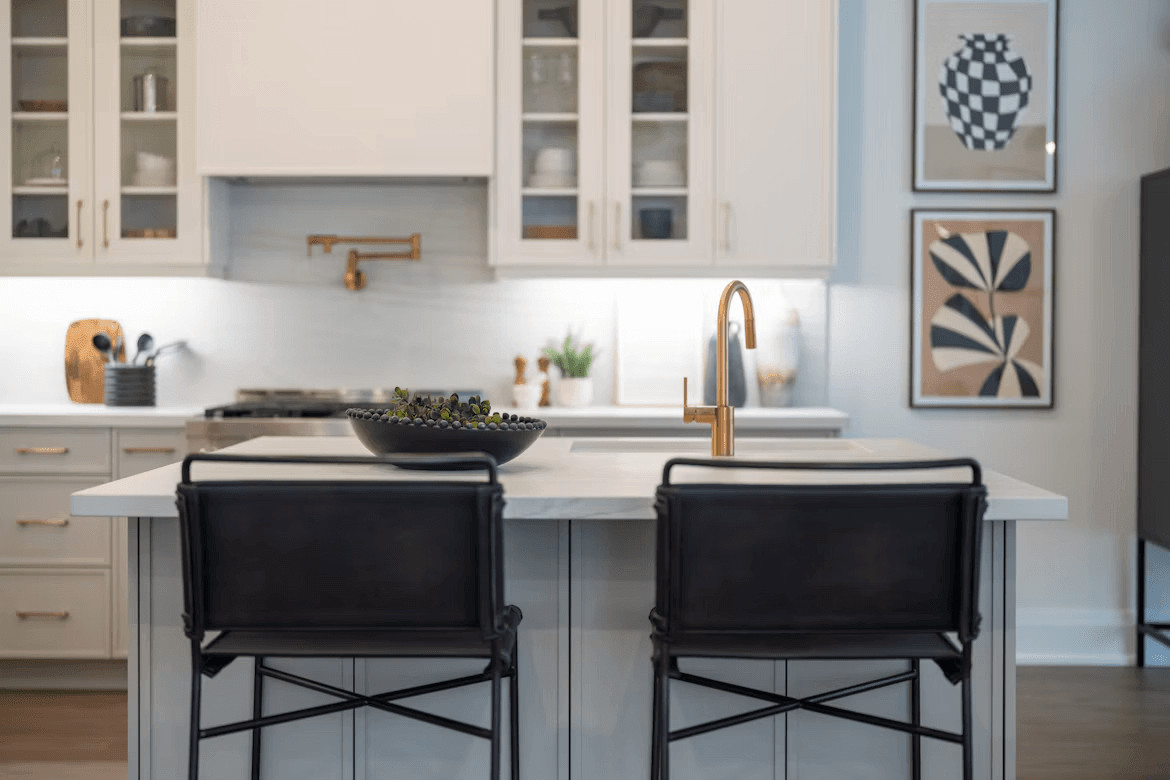
Curating a deeply personal cooking environment allows you to step away from generic trends and build a space that feels genuinely lived-in. By blending tactile warmth, protective framing, and thoughtful artwork selections, you craft a kitchen that moves beyond sterile cabinetry and white tiles to welcome family and friends alike. Adding personal touches turns a utilitarian workspace into an expressive hub where shared memories flourish.