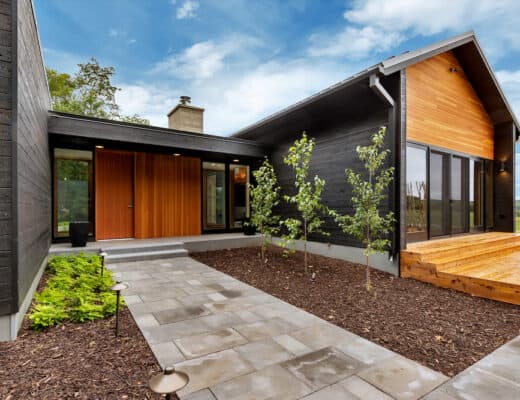
A post-renovation space can look polished yet still feel flat, chilly or strangely impersonal. Smooth surfaces and fresh neutral paint create a clean foundation, but they may also remove the visual irregularities that make a home comfortable. Organic warmth comes from color, texture, natural-looking forms and carefully placed light. Adding those elements in measured layers helps a finished renovation feel lived in without filling the room with clutter.
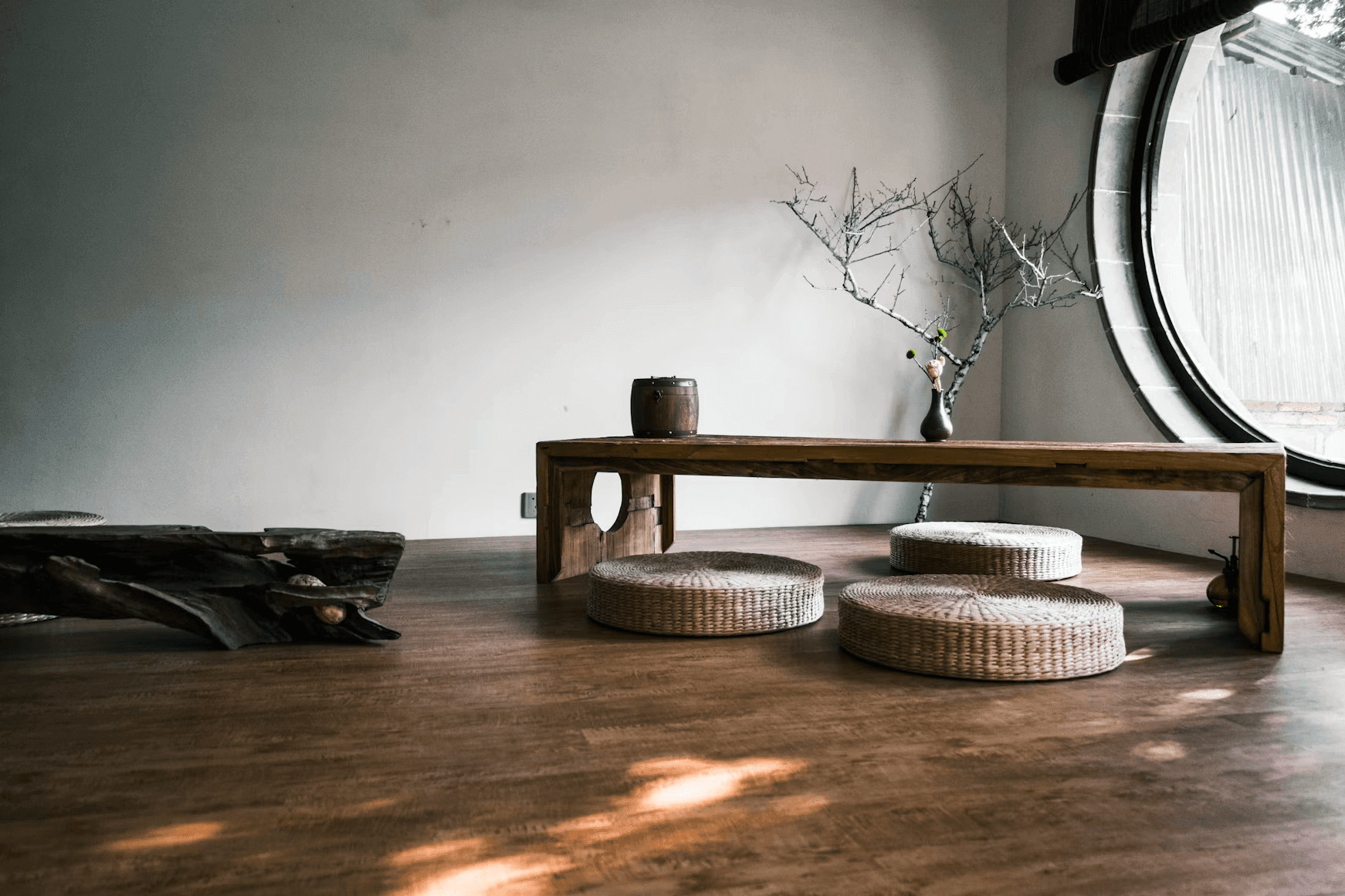
Image Credit: Unsplash
Recognize When Your Post-Renovation Space Feels Sterile
Start by identifying what makes the room feel cold. Common culprits include uninterrupted white walls, glossy flooring, matching furniture sets and overhead lighting that washes every surface with the same intensity. Rooms also feel sterile when nearly every object has a hard edge or smooth finish.
The principles of biophilic design offer a useful guide. Organic shapes, natural references and varied textures can strengthen the connection between an interior and the outdoors. Take a photo of your room, then look for large areas without color or texture. A blank console, bare corner or severe countertop often reveals exactly where a softer element belongs.
Keep the architectural simplicity you like. The goal is to interrupt excessive uniformity with a few thoughtful details.
Paint is often the quickest fix for a cold room. If uninterrupted white is the problem, try a warmer neutral such as cream, sand or soft clay. Test a sample in morning and evening light first, since a shade that looks cozy at noon can turn gray after dark.
Introduce Vibrant Artificial Flowers
Flowers bring curves, color and height into rooms dominated by straight lines. For a low-maintenance option, arrange realistic Artificial Flowers in a ceramic, smoked-glass or stone vessel. Their year-round appearance works especially well in entryways, guest rooms and interior spaces that receive little daylight.
Scale matters more than quantity. A kitchen island can handle a loose arrangement measuring roughly one-third of the island’s width, while a bedside table needs only two or three stems. Bend stems gently and vary their heights so the arrangement avoids a rigid, fan-shaped outline.
Choose colors already present in the room, then add one neighboring shade. Rust-colored blooms can warm a room with tan upholstery, for example, while muted plum adds depth to gray-blue decor. Dust the petals occasionally and rotate arrangements seasonally to keep them from becoming visual background noise.
Incorporate Natural Wood and Textures
Bring in materials with visible grain, weave or variation. A walnut tray, oak stool or woven basket can soften a room without requiring another construction project. If you need a broader material plan, this guide to natural materials in interior design explains how wood, stone and textiles can work together.
Avoid matching every wood tone. Two or three related finishes usually feel more natural than a perfectly coordinated set. A pale dining table can sit comfortably near a darker picture frame when both have warm undertones.
Textiles provide the quickest change. Add linen curtains, a wool-blend rug or cotton pillows with a slightly nubby weave. In a room full of smooth drywall and polished counters, even one tactile throw draped over a chair can make the space feel more relaxed and inviting.
Personal objects finish the job. Hang a framed print or family photograph on a bare wall, then group a few things you use, such as books or a ceramic bowl, on a shelf or console.
Layer Lighting to Warm Up a Renovated Roomes
Replace single-source lighting with several pools of light. Keep the ceiling fixture for cleaning and other practical tasks, then use table lamps, floor lamps and wall-mounted fixtures to define conversation, reading and display areas. This approach gives the room depth after sunset and prevents corners from disappearing.
Pay attention to color temperature. Bulbs around 2700K typically create a warm appearance suited to living rooms and bedrooms. Kitchens may benefit from slightly clearer 3000K light, especially over work surfaces. Check that bulbs within the same sightline share a temperature since a mix of orange and blue-white light can make a finished room appear disjointed.
Place lamp shades near seated eye level and use dimmers where possible. Then aim a small accent light at wood grain, textured fabric or a floral arrangement. The light will bring out the variation that gives those features their warmth.
Once the layers are in place, view the room in daylight and again after dark. A space that still feels bare usually needs one stronger focal point, while a busy room may need fewer small accessories. Let the most tactile or colorful feature hold attention, then give it enough open space to breathe. Done well, these layers turn a post-renovation space from merely finished into truly comfortable.