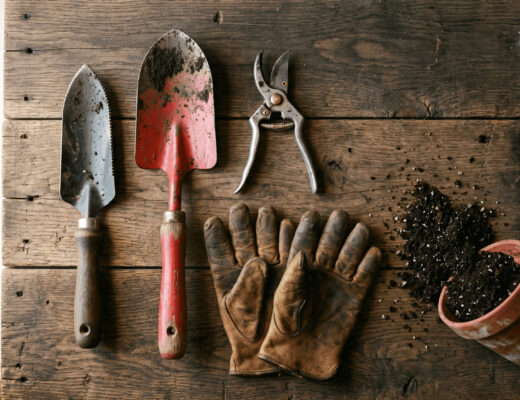
Taking on DIY projects allows homeowners to improve their living spaces, handle simple maintenance tasks, and customize their properties without hiring a professional for every job. However, the success of these projects often depends on having the right tools available. Having the right tools can make DIY projects easier by improving accuracy and reducing the time needed to complete the work.
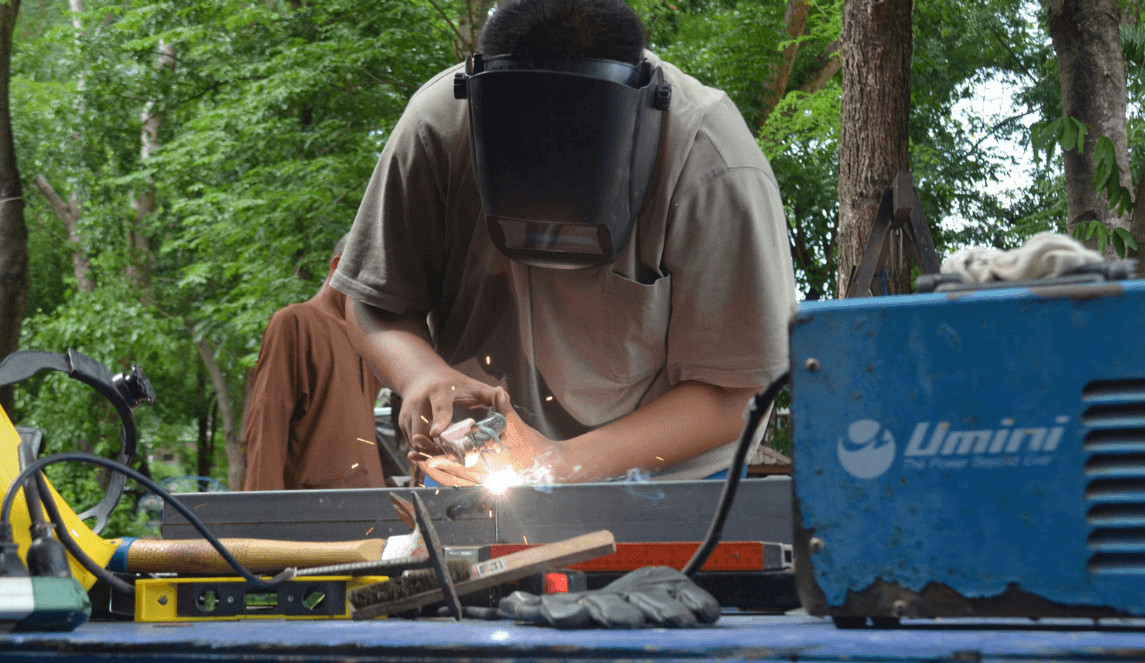
How the Right Tools Can Make DIY Projects Easier
Even a simple repair can take longer than expected when you’re working with the wrong tool. A screwdriver might be all you need to tighten a loose cabinet handle, while a power drill can save time when installing multiple shelves or driving several screws. Using the proper equipment helps reduce unnecessary effort and prevents mistakes caused by improvising with unsuitable tools. Before starting a project, homeowners should identify the tasks involved and determine which tools they will need.
Some projects require several tools before the first screw goes in. For example, a home improvement task might require measuring a surface, cutting materials, fastening components, and checking that everything is properly aligned. Having a tape measure, level, saw, and appropriate fasteners ready can prevent unnecessary interruptions during the project.
If you’re putting together a basic kit, start with the tools that show up in almost every project: a hammer, a screwdriver set with both flathead and Phillips heads, a tape measure, a level, a utility knife, and a cordless drill with a set of bits. Power tools like a circular saw or jigsaw can wait until a project actually calls for one.
Accurate Measurements Improve Results
Accurate measurements are essential for achieving clean, professional-looking results, even with simple DIY projects. Tools such as tape measures, spirit levels, and combination squares help homeowners mark positions accurately and check that installations are properly aligned. These tools are particularly useful when installing shelves, cabinets, trim, or building furniture. Taking careful measurements before cutting or installing materials can also help reduce waste.
Small measurement errors become harder to hide when installing flooring or fitting panels. Even a small measurement error can create gaps or uneven edges that take additional time to correct. A shelf that looks level by eye can end up noticeably crooked once it’s mounted. Checking with a level before drilling saves the trouble of patching holes and starting over. Measuring twice before cutting and using the appropriate measuring tools can help homeowners avoid these problems.
Appropriate Materials Make Work Easier
Choosing the right materials is just as important as selecting the proper tools. Different projects require specific supplies, including screws, adhesives, wood, brackets, and wall anchors. Using unsuitable materials can make installation difficult or compromise the strength of the finished project. Homeowners should consider how the materials will be used and the conditions they will be exposed to before purchasing them.
A saw that cuts wood cleanly won’t necessarily work on metal or masonry. Some adhesives also require specific application methods or tools. When painting a room, using quality brushes, rollers, painter’s tape, and surface preparation equipment can help produce cleaner edges and more even coverage for the paint.
Safer DIY Projects Start With the Right Tools
Using the proper equipment can also help reduce the risks associated with DIY projects. Using the wrong tool to cut building supplies or loosen a fastener can cause the tool to slip, potentially resulting in injury or damage to the materials. Choosing a tool designed for the task provides better control and helps homeowners apply the appropriate amount of force.
Even a quick repair deserves a few basic safety checks. Homeowners should inspect power tools before use and check for damaged cords, worn blades, or loose components. Wearing appropriate protective equipment, such as safety glasses when drilling or cutting, is also essential. Always follow the manufacturer’s instructions, keep the work area organized, and ensure there is enough lighting to work safely.
Proper Preparation Saves Time
A little planning can save you a second trip to the hardware store. Homeowners should review the work involved, estimate the materials needed, and identify any specialized equipment required. Some tasks only need basic hand tools, while others may require specific drill bits, cutting attachments, or fastening systems. Knowing these requirements in advance makes it easier to decide whether to buy, borrow, or rent the necessary equipment.
For tools that will only be used occasionally, renting can be more practical than purchasing. A cordless drill might be useful for regular household repairs, while a tile saw may only be needed for a single bathroom renovation. Considering how often a tool will be used can help homeowners avoid unnecessary purchases.
When you do buy, it usually pays to put your money into the tools you’ll reach for most, such as a drill, tape measure, and level, and save on specialty tools you’ll only use once or twice. Versatile tools can also stretch a budget. A cordless drill that handles both drilling and driving screws, or a rotary tool with interchangeable attachments, can cover jobs that would otherwise need several separate tools.
Keeping frequently used tools organized also saves time. A dedicated storage area, toolbox, or wall-mounted rack makes equipment easier to find and helps homeowners identify missing items before starting work. Proper storage can also protect tools from damage and keep the garage or workshop safer and more manageable.
You don’t need a workshop full of expensive equipment to tackle home repairs. Start with the tools you’ll actually use, keep them in good condition, and add specialized equipment as projects demand it. A well-chosen set of basic tools will handle more household jobs than you might expect.