Buying a house is expensive enough without discovering that the furnace needs repairs, the bathroom drain keeps clogging, or the kitchen cabinets are falling apart. Even a well-maintained property can come with a few projects that weren’t obvious during the first walkthrough.
Before spending your entire moving budget on furniture and decorating, set aside money for repairs and improvements. Some jobs can wait until you’ve settled in, while others are better handled before the moving truck arrives. Here are seven home improvement costs worth planning for, along with typical US price ranges and tips on deciding what needs attention first.
1. Plan Your Kitchen Renovation Budget
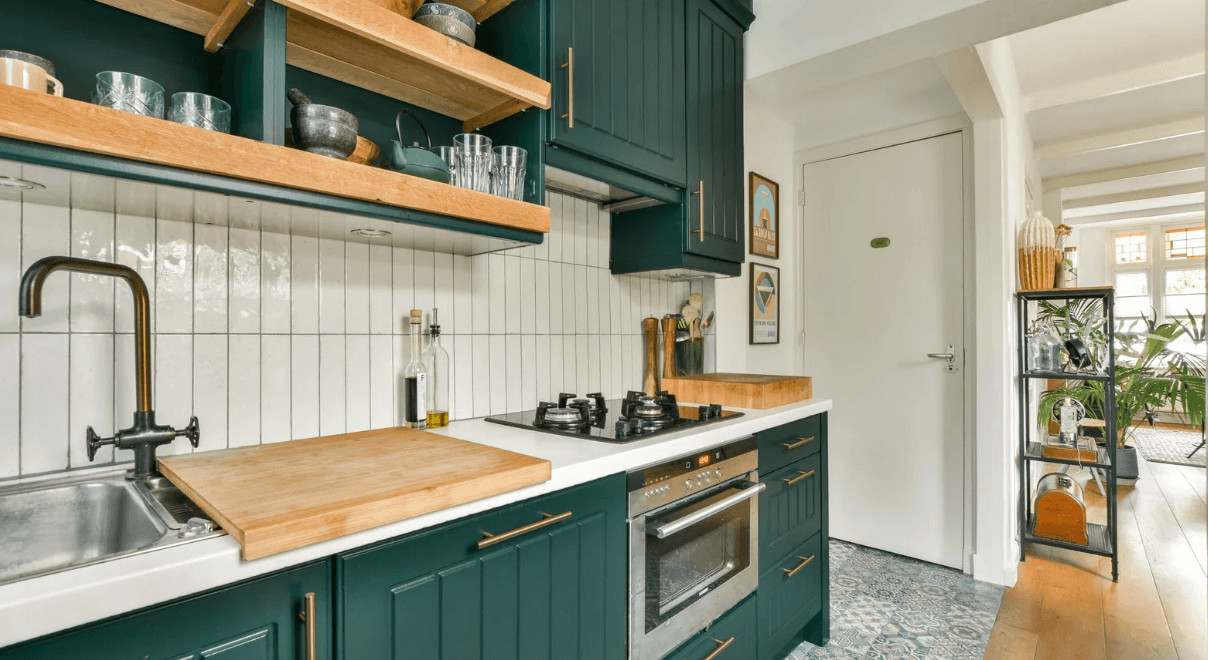
The kitchen is often one of the first rooms new homeowners want to update, but it’s also one of the easiest places to overspend. New cabinets, countertops, appliances, and flooring can quickly turn a simple refresh into a major renovation.
Before committing to a project, decide what actually needs replacing. If the cabinet boxes are still in good condition, painting the doors or replacing the hardware may be enough to give the kitchen a fresh look. Updating the backsplash or light fixtures can also make a noticeable difference without changing the entire layout.
In the US, a basic or small kitchen renovation typically costs around $4,000 to $18,000, while a more extensive renovation that retains the existing layout can run $15,000 to $50,000. These ranges overlap because costs depend on the kitchen’s size, materials, and amount of work involved.
Kitchen renovation costs also vary by location. For example, Canadian homeowners researching what a kitchen renovation costs in Winnipeg can use local estimates to understand how cabinetry, countertops, appliances, and installation affect the overall budget.
If you’re planning a larger renovation, get detailed quotes before ordering materials. Moving plumbing or electrical connections can add considerably to the cost, so keeping the existing layout is often worth considering when the budget is tight.
2. Set Aside Money for Plumbing and Drain Repairs
A slow-draining bathroom sink might not seem like a major concern during a home walkthrough, but plumbing problems can become frustrating once you’ve moved in. Clogged drains, leaking fixtures, and worn pipes are all worth checking before unpacking.
Start with the basics. Run water in the sinks, showers, and bathtubs to see how quickly it drains. Look for signs of leaks under cabinets and around toilets. If you notice persistent odors, gurgling sounds, or water backing up, the problem may need professional attention.
For budgeting purposes, professional cleaning of a single bathroom or kitchen drain in the US commonly costs $100 to $275. Cleaning multiple drains or a main line may cost $175 to $600, with more severe blockages potentially costing more.
Homeowners comparing service prices can also look at regional examples, such as the cost of bathroom draining in Winnipeg, Canada, area. However, Canadian prices shouldn’t be treated as estimates for plumbing work in the US.
For minor clogs, removing hair from an accessible drain opening or cleaning a sink stopper may solve the problem. Avoid relying on harsh chemical drain cleaners, especially if you don’t know the condition of the plumbing.
If multiple fixtures drain slowly or water repeatedly backs up, it’s better to have a plumber inspect the system before the problem gets worse.
3. Check the Heating System Before Winter
A furnace that works during a quick home inspection isn’t necessarily ready for another winter. If you’re moving into an older house, find out when the heating equipment was last serviced and whether any major repairs have been completed.
Start by checking the system’s age, maintenance records, and filter condition. If the furnace makes unusual noises, heats rooms unevenly, or cycles on and off frequently, consider scheduling a professional inspection.
A routine furnace inspection or tune-up in the US generally costs around $70 to $200, while common furnace repairs often fall between $133 and $505. Major component failures can cost considerably more, so an older system may warrant a separate replacement budget.
For homeowners in colder regions, including the northern United States and Canadian cities such as Winnipeg, reliable heating is especially important during winter.
Before moving in, make sure the thermostat works properly and that heating vents aren’t blocked. A professional inspection can also help identify problems that might otherwise leave you without heat during a cold spell.
4. Budget for Insulation and Air Sealing
If your new house feels drafty or certain rooms are noticeably colder than others, the problem may not be the heating system itself. Poor insulation and air leaks can make it harder to maintain a comfortable indoor temperature.
Start by checking around windows, exterior doors, and other common areas where air can escape. Replacing worn weatherstripping or sealing small gaps with caulk can be an inexpensive DIY improvement.
Attic insulation is another area worth investigating, particularly in older homes. If the existing insulation is thin, uneven, or damaged, upgrading it may help reduce heat loss.
In the US, professionally installed attic insulation commonly costs $1 to $4 per square foot, with many projects totaling approximately $1,000 to $2,700. The final price depends on attic size, insulation type, accessibility, and the amount of preparation required.
Before adding insulation, check for moisture problems and make sure ventilation openings won’t be blocked.
You don’t have to tackle every insulation project immediately. Start with obvious drafts and consider a home energy assessment if heating and cooling bills seem unusually high.
5. Account for Flooring Repairs and Replacement
Flooring can be expensive to replace, especially when several rooms need attention. Before deciding on new materials, take a close look at what’s already installed.
Hardwood floors with surface scratches may only need refinishing rather than complete replacement. Laminate or vinyl flooring with water damage, however, may need to be removed so the underlying subfloor can be inspected.
For US homeowners, new flooring typically costs around $4 to $15 per square foot installed, depending on the material and site conditions. That works out to roughly $800 to $3,000 for a 200-square-foot room, although hardwood and other premium materials may exceed this range.
Material costs are only part of the budget. You’ll also need to account for removing old flooring, preparing the subfloor, installing underlayment where required, and fitting transitions between rooms.
If you’re comparing flooring options, think about how each room will be used. Luxury vinyl may be practical for busy households, while tile can work well in bathrooms and entryways. Hardwood remains an option for living areas where appearance and long-term maintenance are priorities.
For DIY installation, check that the subfloor is dry, level, and suitable for your chosen material. Skipping preparation can lead to uneven surfaces, gaps, or other problems after installation.
If the existing floors are safe and in reasonable condition, replacing them can often wait until you’ve settled in and have a better idea of your decorating plans.
6. Prepare for Exterior Repairs and Weatherproofing
It’s easy to focus on the inside of a new house, but exterior maintenance deserves a place in your moving budget, too. A damaged roof, leaking gutter, or poorly sealed window can lead to expensive repairs if left unattended.
Start by reviewing the home inspection report. Pay attention to any concerns involving roofing, siding, drainage, windows, and exterior doors.
Some projects are manageable for homeowners, such as replacing accessible weatherstripping or sealing minor gaps around window trim with the appropriate materials. Others, including roof repairs and work at height, are safer left to professionals.
As a reference, minor roof repairs in the US often cost $150 to $1,000, while moderate repairs involving larger damaged areas may run $1,000 to $3,000. More extensive repairs involving structural damage or significant leaks can cost considerably more.
These figures cover roofing repairs rather than every type of exterior improvement. Window replacements, siding work, and other weatherproofing projects should be budgeted separately.
Prioritize problems that allow water into the building or threaten its structural condition. Cosmetic improvements, such as repainting exterior trim, can usually wait until essential repairs are complete.
In areas with harsh winters, heavy rainfall, or frequent temperature changes, regular exterior maintenance can also help prevent weather-related damage.
7. Allow for Electrical and Lighting Upgrades
Older homes sometimes have electrical systems that don’t match the needs of a modern household. You may find too few outlets, outdated fixtures, or circuits that struggle to handle several appliances at once.
Before making changes, check the electrical inspection findings and identify any safety concerns. Frequently tripping breakers, flickering lights, warm outlets, or damaged wiring should be assessed by a qualified electrician.
In the US, replacing an existing electrical outlet generally costs around $80 to $200, while installing a new outlet may cost $150 to $350. Installing a light fixture commonly costs $100 to $650, depending on the fixture and whether additional electrical work is needed.
Larger projects, such as upgrading an electrical panel or rewiring part of the house, require separate estimates and can cost substantially more.
For safety and compliance, electrical repairs and alterations should be handled by appropriately licensed professionals where required.
Not every lighting improvement needs electrical work, though. Floor lamps, table lamps, and plug-in under-cabinet lights can make rooms more comfortable without changing the wiring.
Focus your budget on necessary electrical repairs first. Decorative lighting upgrades can come later, once you’ve had time to decide how you want to use each room.
Make Your New House Comfortable Without Overspending
You don’t need to renovate every room before moving in. Start with anything that affects safety or could cause further damage, such as plumbing leaks, electrical problems, or a failing heating system. Once those concerns are addressed, you can turn your attention to flooring, kitchen updates, and other improvements.
The price ranges above provide a starting point for budgeting, but actual costs depend on the home’s condition, local labor rates, materials, and project scope. Get written estimates for larger projects and leave some room in your budget for unexpected repairs.
A little planning before moving day can save you from rushed decisions and unnecessary spending. The goal isn’t to have a perfectly renovated house right away, but a safe, comfortable place you can improve over time.