
Small, practical improvements can raise a rental property’s appeal without the cost and disruption of a full refurbishment. Guests notice features that make arrival easier, keep clutter under control and create inviting photographs. These details can support stronger reviews, higher occupancy and, in some cases, a better nightly rate.
The key is to spend where an upgrade removes a common frustration or gives the listing a visible advantage. Before starting, compare likely costs with booking data, guest feedback and the condition of competing properties in the area.
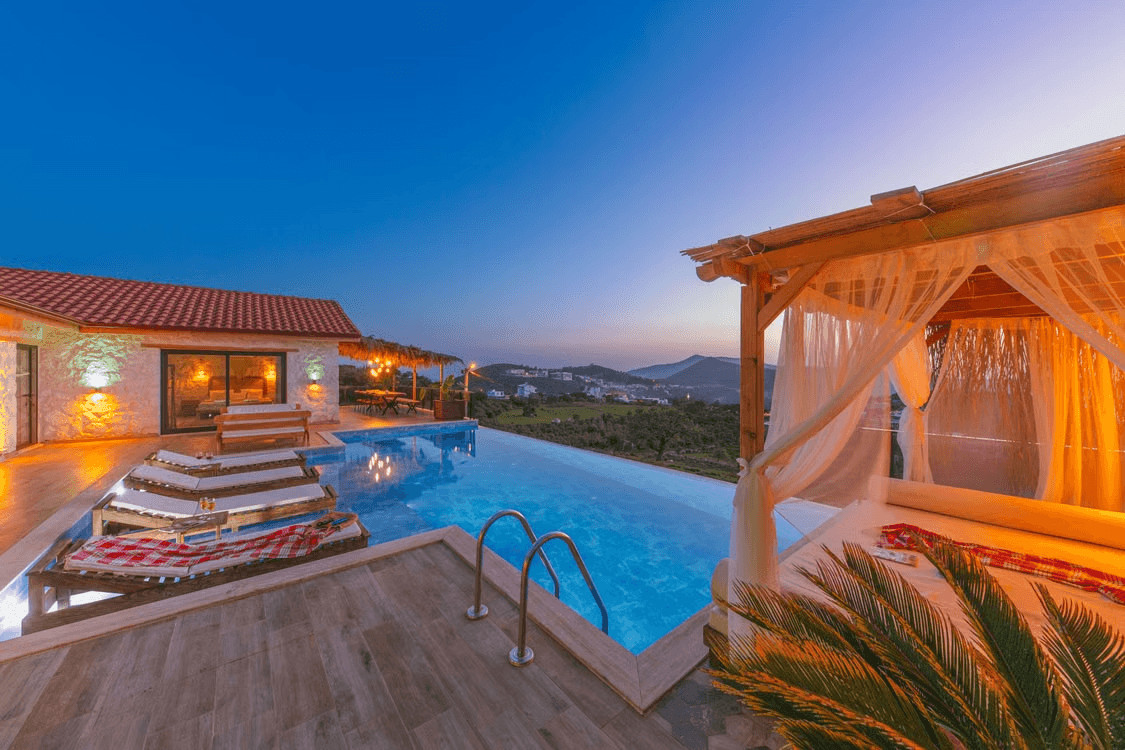
Image Credit: Pexels
Outdoor Living Areas That Drive Bookings
A usable outdoor area gives guests another place to eat, relax and spend time together. Even a compact courtyard can become a booking feature with durable seating, a table, shade and warm exterior lighting. Larger gardens may benefit from clearly defined dining and lounging zones.
Choose weather-resistant materials and leave enough room for easy cleaning between stays. This guide to durable outdoor areas explains how material choices affect appearance and long-term upkeep. Industry guidance on vacation rental upgrades also highlights the value of guest-friendly amenities. Photograph the finished space in daylight and at dusk so travellers can picture themselves using it.
Dedicated Storage and Mudroom Solutions
Poor storage quickly makes a rental feel smaller than it is. Add hooks near the entrance, a bench for changing footwear and labelled spaces for coats, bags and outdoor equipment. In a seaside or countryside property, a washable floor and boot tray can prevent dirt and moisture from reaching carpets and living areas.
Lockable owner cupboards also keep spare linen, cleaning products and maintenance supplies out of sight. Among commonly overlooked rental upgrades, practical storage stands out because it improves daily use without demanding major structural work. Before ordering fitted units, map where guests naturally drop their belongings and place storage within easy reach.
Securing Capital for Major Property Upgrades
Some projects require more capital than routine maintenance budgets can provide. Replacing a tired kitchen, improving insulation or adding a bathroom may raise appeal, but each proposal needs a clear cost and revenue case. Obtain several itemised quotations and include professional fees, furnishings and a contingency of around 10 per cent in your budget.
Investors financing a short-term rental property should understand how the mortgage structure affects their wider improvement plans. A holiday let mortgage is designed for properties rented to holidaymakers, with lenders typically assessing seasonal rental projections, occupancy patterns, permitted personal use and property details. Before committing to major upgrades, review the borrowing terms and projected repayments alongside conservative income estimates, including quieter months. Keep renovation costs in the budget separately rather than assuming the mortgage will cover them.
Smart Keyless Access and Remote Management
Keyless entry removes the need to arrange in-person handovers and helps when guests arrive late. Choose a system that supports temporary codes, an activity log and remote code cancellation. Give each booking a unique code that expires after checkout, then keep a secure backup access method for power or connectivity failures.
Remote thermostats can also flag unusual heating patterns between stays, while water sensors placed near sinks and appliances may provide early warning of leaks. Keep the system simple for guests and provide clear instructions before arrival. Any connected device should receive regular software updates, use strong account passwords and sit on a properly secured network.
Lighting Schemes That Enhance Photographs
Good lighting makes rooms feel welcoming in person and prevents listing photographs from looking flat or gloomy. Start with warm, consistent bulbs throughout the property, then layer ceiling lights with table lamps, wall fittings and focused task lighting. Avoid mixing noticeably different colour temperatures in the same room.
Place lamps where they support real activities, such as reading beside the bed or preparing food on a worktop. Mirrors can help distribute daylight, whilst clean windows and light curtains keep rooms bright during photography. Test every space at the time your photographer plans to visit. A well-positioned lamp in a dark corner may do more for the final image than an expensive decorative feature.
Prioritise the upgrade that solves the most frequent guest complaint, then track occupancy, nightly rates and review comments for several months. That evidence will show whether the next budget should go towards another visible feature or a less glamorous operational improvement.


