You might have to reconsider the way your home functions when you have an older parent or relative living with you. As people age, everyday activities may become cumbersome. This can result in severe hazards due to a high bathtub, slippery floors, or dark corridors. Even familiar areas can bFalls are the main reason these changes matter. According to the CDC, more than 14 million Americans aged 65 and older report falling each year. About 37% of older adults who fall experience an injury that requires medical attention or limits their daily activities for at least a day. A US study of fall-related emergency department visits found that nearly 80% of these falls happened at home, often in bedrooms, bathrooms, or on stairs. That’s why small safety improvements in the spaces your family member uses every day are worth making first. ecome tricky to navigate when an individual has low mobility or uses a walker.
You want your loved one to feel comfortable, but you also need to protect their safety. However, you do not need to refurbish your entire home to make a difference.
Considering that, even minor modifications, like installing grab bars, improving lighting, and clearing walkways, may simplify everyday tasks. In some cases, major upgrades may also be necessary when your family member uses a wheelchair or requires additional assistance. Therefore, start with the areas that create the greatest risks and make changes based on their needs.
From bathroom improvements to safety technology, here are practical ways to make your home safer and more accessible for older adults.

Start Here: Quick Home Safety Checklist
Prior to altering significant details, visit your house and inspect the general areas for safety hazards. Start with these simple steps:
- Eliminate loose carpets, clutter, and uncovered electrical cords.
- Check bathroom floors and install grab bars where required.
- Ensure that staircases are equipped with handrails.
- Add night lights to hallways and bedrooms.
- Store utensils close to the kitchen.
- Ensure that chairs and beds are supportive.
- Test smoke and carbon monoxide detectors.
- Consider a medical alert system for emergencies.
Additionally, ask your family member which areas seem hard to use. Their feedback could assist you in determining what improvements to undertake initially.
1. Make Bathroom Safer with Support Features
Imagine your older parent has recently moved in with you in Canada. While helping them settle into your home, you notice that everyday bathroom activities are becoming difficult. Wet floors and cramped spaces can put them at risk of falls, especially if they have limited mobility.
Your loved one might have a problem lifting their leg over the rim of a bathtub, sitting upright, or getting up from the toilet. Such difficulties can make everyday bathroom routines uncomfortable and less safe. Therefore, examine how easily they can access the bathroom, use the toilet, and take a shower. Pay attention to areas where they need extra support.
Install sturdy grab bars near the toilet and inside the shower. Place the bars where your family members can reach them without stretching or twisting. Secure them to suitable wall support rather than relying on ordinary towel racks.
Depending on your budget, you might consider options like a low or zero-threshold entrance into a walk-in shower. In addition, a shower transfer bench can assist individuals who cannot easily step into a bathtub.
Non-slip flooring can provide a better grip on wet surfaces. Also, install a stable shower seat to allow your family members to bathe while sitting down. A raised toilet seat with support handles can make sitting and standing easier.
Similarly, place soap, shampoo, and towels in a convenient location to prevent unnecessary movement. Eliminate loose bathmats or install secure, non-slip alternatives. Even after making these changes, your family members may need additional support if they experience a fall or another emergency when they are alone. In such situations, life alert devices for Canadian seniors can provide a way to contact emergency assistance when needed. Together, these precautions can make bathroom routines safer and more comfortable.
2. Improve Entryways, Stairs, and Hallways
The entrance to your home must be such that your family member can enter and exit without difficulty. High stairs, uneven paths, or tight entrances should be avoided, as they can pose a challenge to people with mobility issues. You may install ramps and try to get a step-free entrance, if possible. The ramp and the walkway should also have a gentle gradient and non-slippery surfaces.
Moreover, make doors easier to open and close. Traditional round knobs can be difficult to turn for someone with weak grip strength or joint pain. Replace them with lever-style handles that require less effort. Motion-sensor lights near the front door can improve visibility after dark. Make sure outdoor lighting covers steps, walkways, and entry points. Keep the entrance clear so your family member has enough room to use a walker or wheelchair.
The stairs and corridors should be considered as well. Make sure that handrails are installed on both sides of the stairs. Install contrast lines along the edges of the steps to make them easily visible. Do not keep any objects like footwear or storage bins in the corridors. Put night lights along the way from the bedroom to the bathroom. If you have difficulties using the stairs, try to organize daily routines on the first floor.
3. Remove Hazards from Bedrooms and Living Areas
The bedroom and the living room must be designed to have clearly marked walkways for easy and safe navigation. Start by getting rid of all loose rugs, electrical cords that dangle on the floor, and any item that can act as a tripping hazard. Instead, you can use rugs which have non-slippery backing. Additionally, decorative items which narrow the walking path should be avoided.
Furniture height and stability also matter. Your family member should be able to sit down and stand up without struggling. Choose chairs with firm cushions, sturdy armrests, and a suitable seat height. Very soft sofas and low chairs can make standing difficult. Check that bedside tables, cabinets, and other furniture are stable. Avoid using ordinary furniture as a substitute for proper grab bars or handrails.
Make everyday items easy to reach. Keep clothing, glasses, medication, and personal belongings at a comfortable height. Avoid high shelves that require stretching or climbing. In the bedroom, leave enough space around the bed for a walker or wheelchair if needed. Place a lamp or accessible light switch near the bed. A clear route to the bathroom can also make nighttime trips safer.
Medication and emergency information deserve a place in your safety plan too. Keep medications in one labelled spot, and consider a weekly pill organizer so it is easy to see whether a dose was taken. Post a current list of medications, allergies, and emergency contacts where a visitor or paramedic would find it quickly, such as on the refrigerator door.
4. Make Kitchen and Home Lighting More Accessible
Your kitchen should help your family members prepare their meals and access their everyday objects in a more efficient way. Place all the frequently used utensils and pantry items on the lower shelves. Avoid placing any heavy objects in cabinets that are above head height. Pull-out drawers and sliding shelves will facilitate storage. Also, consider whether the counter height and space accommodate the needs of your family member in a wheelchair.
Moreover, a few fixture modifications will also assist in improving accessibility in the kitchen. The faucets should be changed to lever-style or touch-operated ones because they are easier to handle. Additionally, install task lighting over countertops, sinks, and cooking zones. Appliances that are frequently utilized should remain accessible. Electrical cords should not interfere with any workspaces or walking areas. An organized kitchen will enable your relative to cook basic meals confidently.
Good lighting should be installed in your entire home. Aging eyesight could make it harder for your family members to deal with dark spots, shadows, and glare. Therefore, use bright and evenly spaced lights in your rooms, hallways, and stairwells. Choose bulbs which give you clear sight without harsh glare. Also, consider adding bedside lamps, lights beneath cabinets, and motion sensors to provide night lights.
5. Add Safety Technology and Plan Home Improvements
Home modifications work best when you combine them with useful safety technology. Install smoke detectors and carbon monoxide (CO) detectors on appropriate levels of your home. Test the alarms regularly and replace batteries as recommended. A video doorbell can also help your family member see who is outside without rushing to answer the door. Choose devices with simple controls and clear alerts. Make sure your loved one knows how to use them.
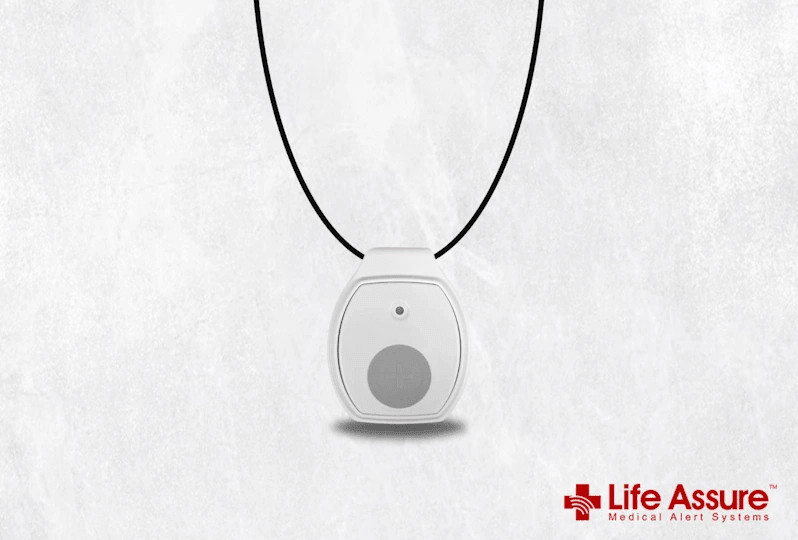
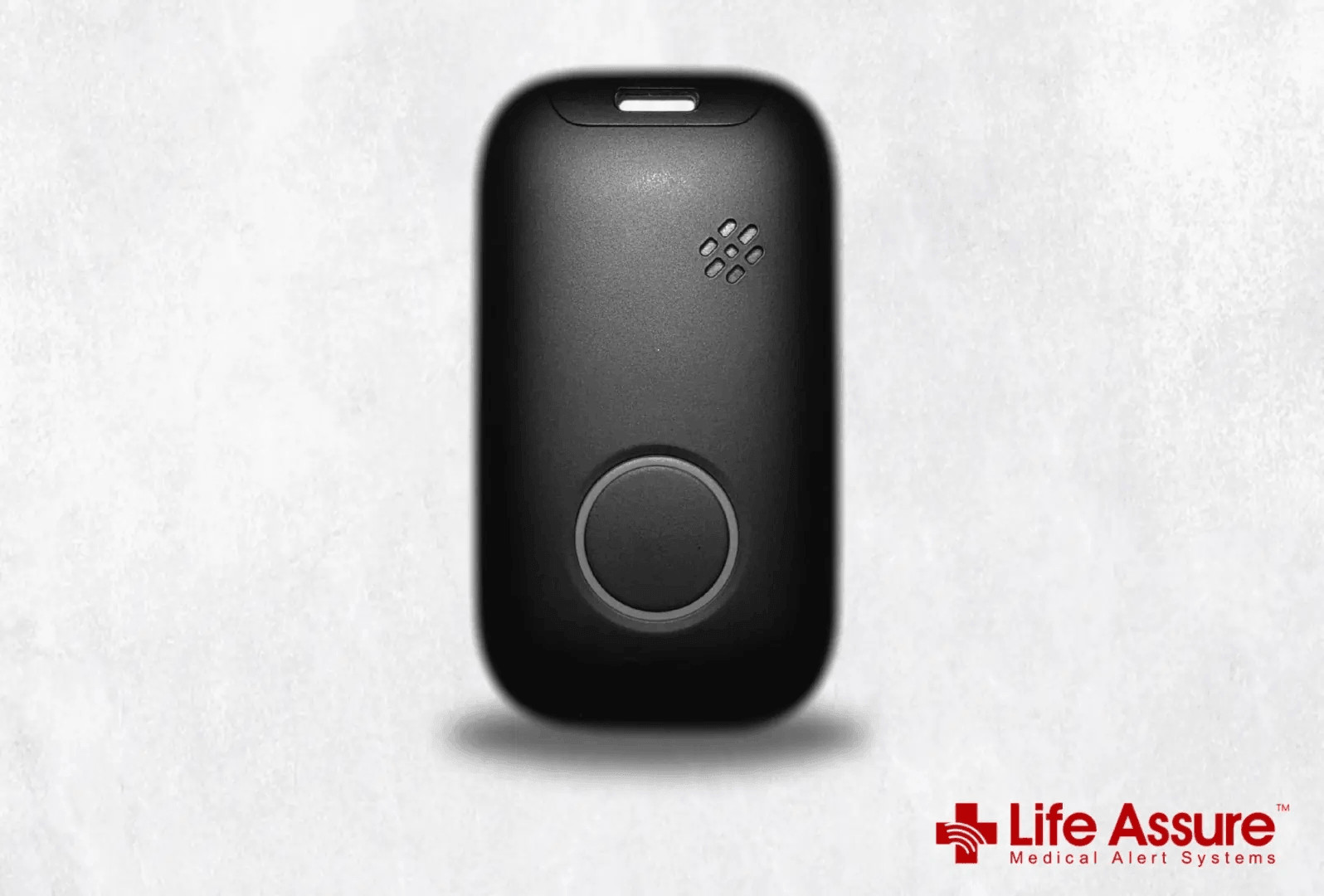
A medical alert system can provide another layer of protection. Your family member can wear a small device and use it to contact an emergency monitoring center if they fall, feel unwell, or need help. Some systems also offer automatic fall detection and GPS tracking. If you are exploring life alert devices for Canadian seniors, Life Assure offers options for people who need protection at home or while away. Consider your family member’s daily routine, mobility, and need for at-home or mobile support before choosing a system.
Your budget will affect how quickly you can make larger changes. Start with affordable fixes, such as removing loose rugs, adding night lights, securing cords, and rearranging storage. Projects such as walk-in showers, ramps, and wider doorways may cost more and require professional help. Ask an occupational therapist or home accessibility specialist to assess your home. You can also research local government programs, home modification grants, and community assistance services. Check eligibility requirements before planning major work.
How to Make Your Home Safer for Seniors One Step at a Time
Making a home safer for seniors does not have to mean making many changes. Some safety measures that could be helpful include installing grab bars, ensuring paths are clear, increasing lighting, creating easily accessible storage space, and installing handrails. In addition to these home improvements, safety and medical alert systems may be used.
Therefore, start with the room that presents the greatest risk, then work through the rest of your home. Ask your family member what makes daily tasks difficult and include them in each decision. Review your home regularly as their needs change. Small, well-planned improvements can help your loved one stay comfortable, confident, and independent.