Replacing windows in an older home is rarely as simple as choosing a new style and scheduling an installation. In Intown Atlanta, where historic architecture, established neighborhoods, and modern renovations exist side by side, homeowners often face additional considerations. Original window frames may have deteriorated over time, architectural details may need to be preserved, and homeowners associations can introduce approval requirements that affect the project timeline.
Whether you own a Craftsman bungalow in Virginia-Highland, a traditional brick home in Ansley Park, or a renovated property in Grant Park, window replacement requires careful planning. The right approach can improve energy efficiency, indoor comfort, and property value without compromising the character that makes these neighborhoods distinctive.
Understanding the Challenges of Older Window Frames
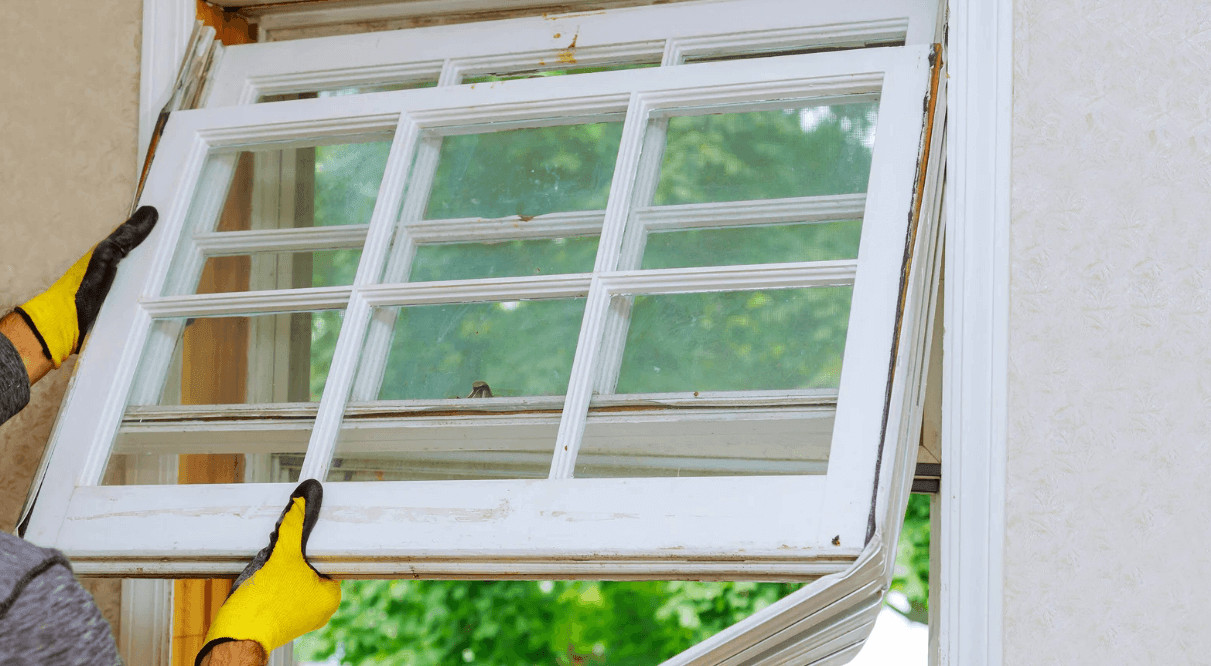
Many Intown Atlanta homes were constructed decades ago, using materials and building techniques that differ considerably from modern construction. Original wood windows, for example, may feature distinctive proportions, decorative trim, divided panes, and hardware that contribute to the home’s overall appearance. While these details can be attractive, years of exposure to humidity, rain, and changing temperatures can gradually affect their condition.
Wood frames are particularly vulnerable to moisture damage when paint deteriorates or exterior seals fail. Homeowners may notice soft wood, peeling paint, condensation between panes, or windows that become increasingly difficult to open and close. In some cases, the visible problem is only part of a larger issue involving hidden water damage around the opening.
A professional assessment helps determine whether the existing frame can be repaired or whether a complete replacement is more appropriate. Minor deterioration does not always require removing the entire window assembly. However, extensive rot, persistent leaks, or structural deterioration may make replacement the more practical long-term solution. Understanding the difference helps homeowners avoid unnecessary expenses while ensuring that underlying problems are properly addressed.
Choosing Replacement Windows That Suit Intown Architecture
One of the biggest considerations when replacing windows in established Atlanta neighborhoods is maintaining architectural consistency. Older homes often have window configurations that are difficult to replicate with standard modern products. Replacing original double-hung windows with an entirely different style, for instance, could noticeably change the appearance of the property’s exterior.
Homeowners should consider frame materials, glass configurations, finishes, and operating styles before making a decision. Vinyl windows can offer relatively low maintenance and good insulation performance, while fiberglass provides dimensional stability and durability. Wood and wood-clad options may be particularly appealing when maintaining a traditional appearance is important.
The choice should also reflect the home’s architectural style and practical requirements. A Craftsman home may benefit from replacement windows that retain traditional proportions and divided-light details, while a more contemporary renovation might accommodate larger glass areas. The goal is to find a balance between visual appeal, performance, and long-term maintenance.
Navigating HOA Rules and Neighborhood Approval
Homeowners associations can introduce another layer of complexity to window replacement projects. Although not every Intown Atlanta property belongs to an HOA, some communities have architectural guidelines that regulate exterior changes. These requirements may cover window colors, frame materials, grille patterns, exterior finishes, and the overall appearance of replacement products.
Before ordering windows or scheduling installation, homeowners should review their governing documents and determine whether architectural approval is required. Some associations request product specifications, photographs of existing windows, proposed designs, and color samples. Others have more detailed review procedures or designated architectural committees that meet according to a particular schedule.
It is also important to distinguish HOA requirements from local historic preservation regulations. Certain Atlanta properties may fall within designated historic districts or be subject to additional preservation requirements. Depending on the property’s designation and the nature of the proposed work, approval from the appropriate city department may be necessary.
Homeowners should verify applicable requirements before making changes, particularly when replacing windows on street-facing elevations. Addressing these questions early can prevent rejected applications, unexpected delays, and costly changes after materials have been ordered.
Planning Around Tight Replacement Timelines
Window replacement projects often need to fit around busy household schedules, contractor availability, and other renovation work. In Intown Atlanta, coordinating these details can be especially important when homeowners are working with older properties that may reveal unexpected problems during installation.
One common mistake is assuming that installation can begin immediately after selecting a window product. Custom sizes, specialty finishes, and architectural details can extend manufacturing and delivery times. If HOA or historic approval is required, that process must also be completed before work begins. Homeowners should ask contractors for realistic estimates covering assessment, measurements, product ordering, preparation, and installation.
Weather is another consideration. Atlanta’s climate includes humid summers, heavy rainfall, and occasional cold periods. Although professional installers can complete many projects throughout the year, prolonged rain or unsuitable conditions may affect scheduling. Homeowners should discuss contingency plans, particularly if several windows are being replaced at once.
A well-organized project also accounts for the practical disruption inside the home. Furniture may need to be moved, window treatments removed, and certain rooms temporarily cleared. Families with young children, pets, or people working from home may benefit from scheduling installations in manageable phases. Clear communication about daily start times, room access, cleanup, and expected completion dates helps minimize disruption.
Improving Energy Efficiency Without Sacrificing Character
Older windows can contribute to drafts, temperature fluctuations, and higher heating and cooling costs. This is particularly noticeable during Atlanta’s hot summers, when air conditioning systems work hard to maintain comfortable indoor temperatures. Poorly sealed windows can allow conditioned air to escape while introducing unwanted outdoor heat and humidity.
Modern replacement windows offer several features designed to improve thermal performance. Double-pane insulated glass, low-emissivity coatings, quality weatherstripping, and properly insulated frames can help reduce unwanted heat transfer. Depending on the product selected, these improvements may also help reduce outside noise, which can be valuable in neighborhoods near busy roads or commercial areas.
However, energy efficiency should not be evaluated by the glass package alone. Installation quality is equally important. Even a high-performance window can underperform if gaps around the frame are not properly sealed or if the surrounding opening contains moisture damage. Professional installation should include attention to flashing, insulation, drainage, and air sealing.
Homeowners researching window replacement services in Atlanta should look beyond product pricing and ask how contractors evaluate the existing openings, address older construction details, and ensure that new windows are properly integrated into the building envelope. A thorough installation approach helps protect the investment and supports consistent performance over time.
Understanding the Cost of Replacing Older Windows
The cost of window replacement varies depending on the number of windows, dimensions, materials, glass specifications, and complexity of installation. Older homes can introduce additional expenses because their openings may not follow standard modern measurements. Some windows may also require repairs to surrounding trim, framing, or exterior finishes before new units can be installed.
Homeowners should request detailed written estimates rather than relying solely on a general price per window. A comprehensive quotation should explain which products are included, whether existing windows will be removed, what installation materials are required, and how disposal and cleanup will be handled. It should also identify potential additional charges for damaged framing or unexpected repairs.
Comparing estimates requires more than choosing the lowest figure. A contractor who includes proper moisture protection, insulation, flashing, and finishing work may offer better long-term value than a cheaper option with a limited installation scope. Product warranties and workmanship guarantees should also be reviewed carefully. Understanding what each covers can help homeowners make a more informed decision.
For larger projects, replacing every window at once may not always be financially practical. Prioritizing windows with visible deterioration, persistent drafts, or water intrusion can provide a manageable starting point. However, homeowners should consider the visual consistency of the exterior when planning phased replacements, especially in neighborhoods with architectural guidelines.
Finding the Right Window Replacement Contractor
Selecting a qualified contractor is one of the most important decisions in the replacement process. Older homes require more than basic installation experience because existing construction may contain irregular openings, outdated materials, and details that need careful attention.
Homeowners should look for contractors with experience working on established residential properties. References, photographs of completed projects, insurance documentation, and clear written estimates provide useful ways to evaluate potential providers. It is also worth asking whether the contractor has experience with HOA applications or historic district requirements.
Communication is equally important. A reliable professional should explain the proposed installation method, identify potential complications, and provide realistic scheduling expectations. Homeowners should feel comfortable asking questions about measurements, frame materials, glass performance, warranties, and how unexpected damage will be handled.
Before signing an agreement, confirm the project scope, payment schedule, estimated delivery dates, installation arrangements, and cleanup responsibilities. Having these details documented reduces misunderstandings and gives both parties a clear understanding of expectations.
Preparing Your Home for a Successful Installation
Once products have been selected and approvals obtained, preparation can help the installation proceed more smoothly. Homeowners should remove curtains, blinds, and decorative items near the affected windows. Furniture should be moved away from work areas, and fragile belongings should be stored safely.
It is also helpful to discuss access arrangements with the installation team. Contractors may need access to both the interior and exterior of the property, including areas that are normally difficult to reach. If landscaping, patios, or outdoor furniture are close to the windows, temporary relocation may be necessary.
During installation, homeowners should expect some noise, dust, and temporary exposure to outdoor conditions as old units are removed and new ones fitted. Professional crews should protect nearby surfaces and avoid leaving openings exposed longer than necessary. Once the work is complete, each window should be inspected for smooth operation, secure locking mechanisms, proper sealing, and consistent finishing.
The final walkthrough is an opportunity to identify concerns before the contractor leaves. Homeowners should also request product documentation, warranty information, and maintenance recommendations so they understand how to care for their new windows.
Conclusion
Replacing windows in an Intown Atlanta home involves more than selecting attractive products. Older frames, architectural considerations, HOA requirements, and scheduling constraints all influence how successfully a project comes together. Taking time to assess existing conditions, research suitable materials, and confirm approval requirements can prevent unnecessary delays and expenses.
The most successful projects balance modern performance with respect for the home’s original character. By choosing appropriate replacement products, working with experienced professionals, and establishing a realistic timeline, homeowners can improve comfort, energy efficiency, and the long-term condition of their properties. Careful preparation makes it possible to enjoy the benefits of modern windows while preserving the distinctive charm of Intown Atlanta living.