
Adding a nice coat of paint or changing the flooring in your old house can transform the look. What about the property’s ability to dry out?
Something you may want to know when renovating. Lots of older buildings were constructed using materials like brick, stone, earth & lime. These materials can absorb moisture and release it again when conditions become drier. If you cover these with the incorrect finishes, they can turn a damp area into a larger issue.
If you’re renovating, it helps to know which breathable building materials suit an older home. Lots of older buildings were constructed using materials like brick, stone, earth & lime.
Your house can still look great and remain healthy.
Topics Covered;
- What Is A Breathable Material?
- First Look At Your Floor
- It’s Not Only About Tiles
- What About Your Walls?
- Find Where The Water Is Coming From
- Think About These When Renovating
- Waterproof Doesn’t Equal Dry
- Final Thoughts
What Are Breathable Building Materials?
When something is described as breathable, it means a material allows moisture to dry out.
It’s not referring to the air moving around your walls. Moisture can travel through a building as a vapour or water itself by using the pores that connect through the material. Some materials can also absorb moisture from the air and release it when conditions change. This depends on the material and the surrounding elements.
This is what enables old walls and floors to manage the elements and weather outside and in.
Damp is a real concern in homes. The English Housing Survey 2024 to 2025 showed that 6% of homes had damp recorded by surveyors in England.
This didn’t include small areas of damp, but the property could be any age.
When your finishes are breathable, they won’t keep the water out of your building. But if you use them correctly, along with good heating, ventilation, and maintenance, they can help certain areas dry out.
If you’re wondering which materials actually breathe, the usual answers are lime (in plaster, render, mortar and limewash), clay plasters and paints, and natural insulation such as wood fibre, hemp, sheep’s wool and cork. These tend to take in moisture and let it back out again, which is why they have been used on older buildings for so long. Which one suits your house depends on what the walls and floors are made of.
Be wary of the word ‘breathable’ on a label. Ask the manufacturer for the vapour permeability figure, and check it covers the whole system, including any adhesive or primer, not just the top coat. If the figures aren’t available, treat the claim with caution.
First Look At Your Floor
You may have an old-style floor that you need to consider when renovating. They could have been laid with stone, clay, and laid on top of sand, earth, and/or lime rather than concrete and a damp-proof membrane.
If you were to alter this by adding another surface, it can change how it acts as a breathable material. If you lay something more compact, this may cause the floor to not evaporate as much, and push more damp into adjacent walls.
If you’re thinking about installing terracotta floor tiles in your property, remember that the floor involves more than just the tiles. Remember that your flooring consists of more than just the tile.
Natural clay terracotta tiles can provide you with that lovely feature floor and can come in a variety of colours. Whether you choose to have them hand made or with reclaimed materials, there are many options to choose from.
Just having a porous tile will not make your floor breathable.
Whatever bed you decide to use under your floor, if you’re aiming for a breathable floor, you may need to think about using a compatible lime mortar underneath your floor and using suitable grouting lines. This depends on the condition of your current floor and whether it holds moisture.
Make sure you look into your sealer as well; some can prevent drying, and clay tiles are different densities. Read your manufacturer’s instructions for the full package; if you currently have original historical floor tiles, seek advice.
Breathable Wall Finishes For Older Homes
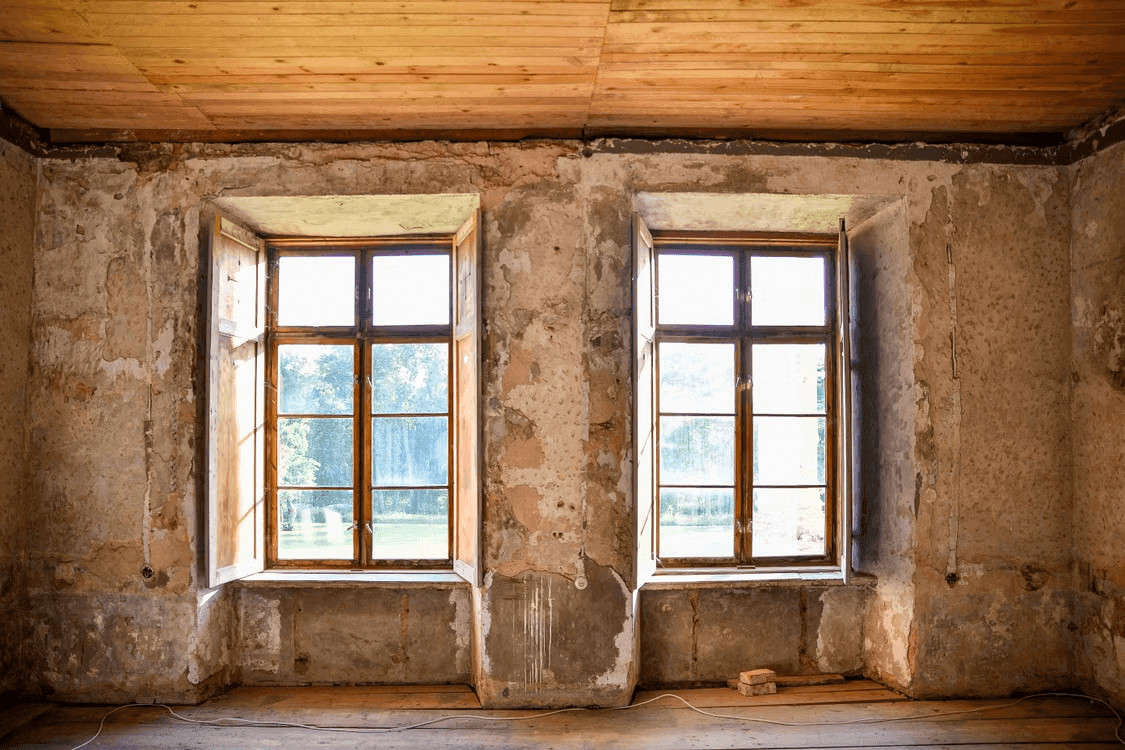
If you step into an older house, most likely there will be solid walls.
Unlike modern cavity walls, many older solid masonry walls can absorb rainwater and later dry as conditions improve.
So check which finishes are compatible with the existing wall before you begin.
Lime plaster, lime render and limewash are often suitable for traditional masonry because they can allow moisture movement. Hard cement-rich finishes can restrict drying in some walls.
Is cement a bad thing? No, but try to remember what the wall is made from; if there is lime used, perhaps you shouldn’t be slapping cement on the wall.
Using a cement mortar or render may decrease your wall’s ability to evaporate, depending on the material. It can cause your brick/stone to hold the moisture, possibly causing spalling.
Keep this in mind when using products that are impermeable inside the house too. Vinyl, plaster & paint are all good candidates to double-check if your walls are damp. If your plaster is breathable, covering it with an impermeable product defeats the purpose.
Insulation needs the same thought. Solid walls without a damp-proof course tend to cope better with vapour-permeable insulation, which lets moisture pass through, than with insulation that seals the wall in and can trap moisture behind it. Whichever you choose, get advice on the whole wall build-up before you start.
Find Where The Water Is Coming From
As soon as you see water, you want to waterproof that area and move on!
It may hide that damp, but are you dealing with the cause of it? Always find the cause of water; there are plenty of reasons water may be coming into your building;
- Rain: Leaking gutter, broken pipework, broken roof tiles, drainage running into house, etc.
- Ground: High external ground levels, a bridged damp-proof course where one exists, and moisture changes around old floors.
- Water that is produced within your home: From cooking, washing, drying clothes, lack of ventilation
- Water from plumbing issues: Small leaks behind, under, and in walls
There are many causes to find, but some may require different remedies. If you have a leaking gutter, you may not need to waterproof your house; only fix the gutter! If your house is becoming humid, try getting your heating right, ventilate your house, and identify cold spots within your home.
Always identify the source; rising damp isn’t the only culprit, and finding your true problem may need a professional to investigate further.
Think About These When Renovating
As you can see, there are a few things to consider when you’re looking to use breathable materials on your property.
By keeping these tips in mind, your house can look great without trapping moisture in your walls and floors.
- Know your building. Identify how old it is, how it’s been built, and what repairs it has had in the past. There could be more than one type of building within your house.
- Repair defects first. If your house has no drain, fix that before repainting your wall!
- Try to preserve what you can.
- Identify your materials; look at all aspects, from floor to wall, floor tiles to paint.
- Identify how your building will dry by having sufficient ventilation and allowing time for it to.
If you’re excavating floors or replacing insulation, check how the building was constructed and seek professional advice where necessary. Once you start digging, you can create more structural issues, depending on how your house was built. In England, work affecting a listed building’s special character may require listed building consent. Check with your local planning authority before starting.
Also keep in mind, there is a difference between breathable and having gaps within your house. Try to eliminate drafts and improve ventilation where possible.
Waterproof Doesn’t Equal Dry
You may want to think, why would you want your building to be watertight? Surely that’s better, right? Well, as you’ve seen, it’s all about how your house was originally constructed, and why the problem happened in the first place.
A waterproof finish may suit some concrete floors. But beside an older wall without a damp-proof course, a dense floor layer can sometimes redirect moisture towards the wall.
Ask yourself, why would moisture leave your building, and how will it dry once it has been repaired?
If you can’t understand these, maybe rethink what your building needs; it’s not as simple as waterproofing and calling it a day.
Your home will look better, but if you’re causing other issues, that may become worse.
Final Thoughts
As you can see, by learning a bit about your house, you can create a healthier living environment while updating the house to look newer.
Just remember, choosing the right breathable building materials is all about how the house can dry and allow the moisture out, once the cause of the water is fixed.
