Minor shingle curling and trapped attic condensation often precede visible ceiling stains, making early exterior inspections vital for home protection.
Most residential roof damage progresses silently beneath shingles and around flashing seams long before interior water stains alert homeowners. You rarely notice a problem until a brown ring blooms across your bedroom drywall or a musty odor lingers in the hallway closet. By that point, water from leaks and attic moisture has likely spent months soaking into your wooden roof deck and saturating your attic insulation.
Catching these quiet warning signs early saves you from sudden emergency repairs and structural headaches. Understanding how exterior wear, flashing gaps, and attic airflow interact lets you protect your home on your own schedule.

How Does Balanced Attic Ventilation Control Attic Moisture and Protect Your Roof?
Many homeowners assume roof damage comes strictly from outside weather, yet warm, humid air rising from inside your house causes just as much harm. Everyday activities like showering, cooking, and running clothes dryers push moisture upward into your attic space.
A healthy roof assembly breathes continuously through intake vents along the lower soffits and exhaust vents along the upper ridge. Cooler outside air enters at the eaves, sweeps upward along the underside of the roof deck, and carries trapped heat and humidity out through the peak. When soffit vents get blocked by blown insulation or painted shut, warm indoor vapor hits the cold plywood sheathing and condenses into water droplets that feed mold and wood rot.
Warm indoor air also sneaks into your attic through gaps you never see. Openings around the attic hatch, recessed lights, ceiling fixtures, and plumbing or wiring penetrations let moist air bypass your insulation and condense on the cold roof deck. Sealing those gaps before adding more insulation keeps that moisture in the house, where it belongs.
Stopping Winter Ice Dams Before They Start
Unbalanced airflow turns your roof into a giant freezer-and-thaw machine during cold weather. Heat trapped in a poorly ventilated attic warms the upper roof deck, melting the bottom layer of snow even when outdoor temperatures sit below freezing. That meltwater runs down to the cold eaves, refreezes into a thick ridge of ice, and forces pooling water backward under your shingles.
Regional Weather Resilience and Contractor Standards
Homes across the Northeast and Mid-Atlantic face brutal freeze-thaw cycles, heavy wet snow, and coastal windstorms within a single calendar year. Homeowners seeking residential roofing across the Tri-State area benefit from working with crews who understand local wind-uplift codes and multi-state licensing requirements. Qualified contractors verify proper ice-and-water shield membranes and calculate exact net free ventilation area to match regional climate demands.
- Check soffit baffle clearances: Confirm that rigid foam or cardboard baffles keep attic insulation from choking off airflow at the eaves.
- Inspect bathroom exhaust ducts: Verify that fan vents terminate outdoors through the roof or wall rather than dumping humid air directly into the attic.
- Look for frosted nail tips: Check the underside of your roof deck on cold mornings for white frost, which signals excess indoor humidity.
- Measure insulation depth evenly: Keep insulation spread uniformly across the attic floor so warm spots do not melt snow unevenly on the roof above.
How Do Hidden Moisture Pathways Form Beneath Your Shingles?
Your roof relies on overlapping layers and sealed joints to shed rain and melting snow away from your living space. When storms, sun exposure, and seasonal temperature swings wear down those defenses, water finds tiny entry points that stay hidden from street level.
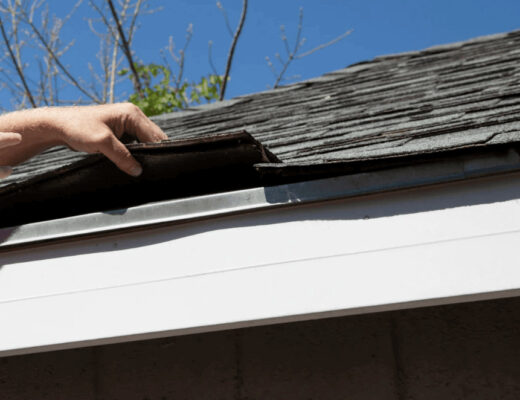
Strong gusts create low-pressure zones that tug upward on the edges of asphalt shingles. Once wind breaks the factory tar seal beneath a shingle tab, driving rain can blow upward underneath the lap. You might only see a slight lift or curl from the ground, yet moisture now reaches the underlying felt and fastener heads during every storm.
Those tiny mineral granules coating your shingles shield the asphalt core from harsh ultraviolet rays. As shingles age or take hits from hail and falling branches, bare dark patches begin to appear, and granules collect in your gutters. Without that protective mineral layer, the sun bakes the asphalt dry, causing shingles to crack, cup, and split open.
Rusted Chimney and Valley Flashing
Metal flashing bridges the most vulnerable transitions on your roof, including chimney bases, plumbing vents, and roof valleys where two slopes meet. Water follows the path of least resistance along structural framing after slipping past deteriorated flashing seams, as noted in a PR Newswire report featuring roofing expert Jonathan Floyd. Pinholes from rust or cracked caulking allow water to trickle directly onto the wood sheathing without ever touching a shingle.
What Should You Verify During a Professional Roof Inspection?
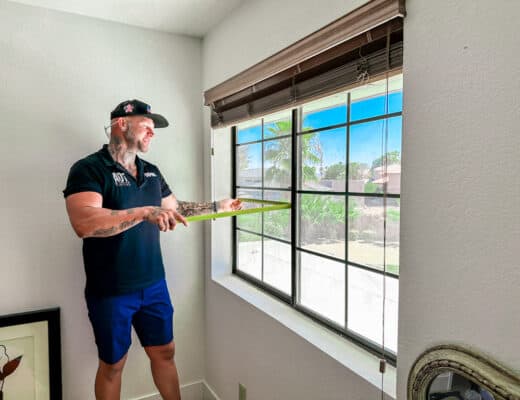
Scheduling a thorough roof evaluation in spring or autumn gives you clear answers while the weather is mild and dry. Rather than glancing from the driveway with binoculars, a detailed inspection examines both the exterior weather barrier and the structural framing underneath.
Exterior Flashing, Sealants, and Shingle Integrity
A qualified inspector walks the roof slopes safely to test shingle adhesion and check valley metalwork for soft spots or corrosion. You should expect them to examine pipe boots for rubber cracking, inspect chimney counter-flashing mortar joints, and check gutter aprons for water staining. Rising roof claim severity continues to challenge property owners even during quieter storm seasons, according to a GlobeNewswire release analyzing recent property loss trends. Documenting minor wear with clear photos helps you address small fixes before severe weather arrives.
Interior Attic Framing and Sheathing Health
An exterior check tells only half the story if your inspector never climbs into the attic hatch. Inside the attic, a thorough evaluation checks plywood decking for dark water rings, delamination, or spongy texture between the rafters. Inspectors also look for rusted roofing nails, damp fiberglass batts, and daylight peeking around plumbing stacks or ridge caps.
Where the moisture shows up helps tell you what caused it. Dampness that spreads evenly across the roof deck, or collects above bathrooms and the kitchen, usually points to condensation from indoor humidity. A wet streak that traces back to a chimney, plumbing vent, or valley more often points to failed flashing or a damaged shingle.
If you do find mold or soggy insulation, treat it as a symptom rather than the problem. Cleaning the surface without fixing the airflow or air leaks behind it lets the moisture and mold return, and insulation that has stayed wet usually needs to be replaced rather than dried in place.
Questions to Ask Before Hiring an Inspector
- Will you provide timestamped photos? Ask for close-up images of flashing seams, shingle conditions, and attic decking so you can see the exact evidence yourself.
- Do you inspect both the exterior and attic? Avoid contractors who skip the interior attic check, since hidden condensation often leaves its earliest clues indoors.
- Are you licensed and insured in my state? Verify active liability coverage, workers’ compensation, and state registration numbers before anyone steps onto a ladder.
Seasonal Maintenance Habits Between Professional Visits
You can support your roofer’s work with a few simple ground-level habits throughout the year. Keep tree limbs trimmed at least 6 feet back from your roofline so scraping branches cannot strip shingle granules or drop piles of wet leaves into valleys. Clear gutters and downspouts twice a year so rainwater drains freely away from your fascia boards and foundation.
Proactive seasonal inspections turn roof care from a stressful emergency into predictable, budget-friendly home maintenance. When you catch lifted flashing, worn granules, and blocked attic vents early, you head off attic moisture and leaks, protecting your framing, insulation, and interior ceilings from costly water damage. Schedule a comprehensive exterior and attic check this season so your roof stays ready for whatever weather comes next.