Here’s a question most homeowners can’t answer: where does everything go after you flush? Sure, “down the drain” is technically correct. But between your house and the city sewer main out by the street, there’s a stretch of pipe called the sewer lateral, and here’s the kicker. That sewer lateral pipe belongs to you. Not the city. You.
That surprises a lot of people. And it usually surprises them at the worst possible moment, like when the basement floor drain starts gurgling back at them on a Saturday morning.
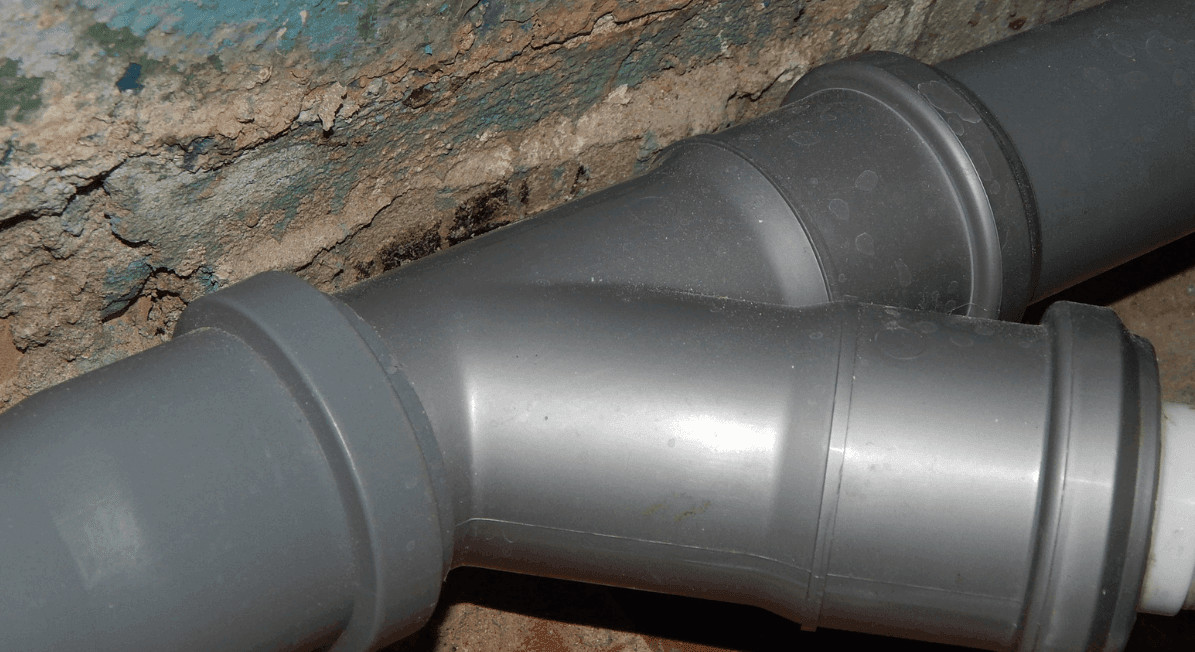
So what exactly is a sewer lateral pipe?
Think of it as your home’s private exit ramp. Every sink, shower, toilet, and washing machine in the house drains into one main line, and that line runs underground through your yard until it meets the public sewer. Depending on how your home sits on the lot, that could be 30 feet of pipe or it could be 100.
In older St. Louis neighborhoods, a lot of those pipes are made of clay. Clay was the go-to material for decades, and honestly, it held up pretty well for a long time. The trouble is that “a long time” has mostly run out. Plenty of old homes built before 1970 are still running on their original lateral, which means the pipe under your lawn could be 60, 80, or even 100 years old. If that sounds like your house, it’s smart to look into professional sewer lateral services before a small crack turns into a big, messy problem.
Why old sewer lateral pipes finally give up
Clay pipe was laid in short sections joined together, and those joints are the weak spots. Over the years the ground settles. Freeze and thaw cycles push and pull on everything. Delivery trucks rumble down the street. Little by little, the joints start to separate.
And then the roots find them.
Tree roots are incredibly good at tracking down water and nutrients, and a cracked sewer pipe is basically an all you can eat buffet. A hairline gap lets in one tiny root tip. That root grows, which widens the gap, which lets in more roots. Fast forward a few years and you can have a pipe that’s more root ball than pipe.
Fall is actually when this tends to get worse. As the weather dries out and trees start storing up for winter, they go looking for moisture wherever they can find it, and your lateral is sitting right there.
Roots aren’t the only problem, either. Old laterals can develop “bellies,” which are sagging sections where waste likes to sit and collect. Grease and mineral scale build up on the walls. Sections shift out of alignment. And sometimes, after enough decades, a piece of the pipe just collapses.
The warning signs worth paying attention to
Your lateral can’t send you a text, but it does drop hints. Keep an eye out for:
- More than one drain backing up at the same time, especially in the basement
- Gurgling from toilets or floor drains when the washing machine empties
- A sewage smell inside the house or out in the yard
- A patch of lawn that’s weirdly green or soggy when it hasn’t rained
- Slow drains that come right back after you clear them
- Calling someone to snake the main line every year like clockwork
A quick rule of thumb: one slow sink is usually a local clog. Several fixtures acting up at once usually means the problem is further down the line.
Don’t guess. Look.
The good news is that nobody needs to tear up your yard just to figure out what’s going on. A sewer camera inspection sends a small waterproof camera through the line so a plumber can see exactly what’s happening down there. Roots, cracks, sags, separated joints, all of it shows up on screen. You get a clear answer, often with video, before you spend a dime on repairs.
If you’re shopping for an older home, this is one of the smartest things you can do before closing. A standard home inspection doesn’t cover the lateral, and finding out about a collapsed pipe after you’ve already moved in is a pretty rough welcome to the neighborhood.
What the fix usually looks like
Not every lateral problem ends with a backhoe in your front yard. Depending on what the camera finds, the solution might be:
Clearing the line. For roots and buildup in an otherwise decent pipe, snaking or hydro jetting can restore flow and scrub the walls clean.
Lining the pipe. If the pipe is cracked or leaking at the joints but still holding its shape, a plumber can install an epoxy liner that cures in place and basically creates a brand new pipe inside the old one. No trench required.
Replacing it. When a section has collapsed or the damage is too severe, the old pipe gets dug up and replaced with modern PVC that’s built to last for generations.
A good plumber will walk you through which option actually makes sense and why, instead of jumping straight to the most expensive one. Ask to see the camera footage, ask what each option costs, and ask how long each one is expected to last.
The bottom line
Your sewer lateral spends its whole life out of sight, so it’s easy to forget it exists. But it’s one of the hardest working pipes you own, and when it fails, it doesn’t fail quietly. If your house has a few decades on it, or you’ve noticed any of the warning signs above, get it checked out before it picks the timing for you. A little attention now beats a flooded basement later.