For a long time, the standard for a high-end home was all about showing off. If you spent good money on your living room, you wanted people to immediately know it. This meant shiny metallic finishes, massive crystal chandeliers, and furniture covered in highly recognizable designer logos or loud, aggressive patterns. The goal was to make sure the room screamed “expensive” the second a guest walked through the front door.
But the mood has drastically shifted. We are currently seeing a massive movement toward “stealth wealth” in interior design, commonly known as quiet luxury.
Quiet luxury is the exact opposite of showing off. It is an aesthetic built on the idea that the ultimate flex is not a flashy logo, but absolute comfort and peace of mind. It is a home that does not try too hard to impress your neighbors, but instead focuses on how the space actually makes you feel on a random Tuesday night. To achieve this, you have to fundamentally change how you shop. When you are looking for luxury modern furniture, you are no longer searching for pieces that beg for attention. You are looking for pieces that whisper quality.
Creating this atmosphere in your own home does not require an unlimited budget, but it does require a very specific, disciplined approach to how you choose your materials, colors, and the spaces in between your furniture.
Rejecting the “Fast Furniture” Cycle
The first step to bringing quiet luxury into your home is changing your relationship with trends. We have all been tempted by fast furniture, those incredibly cheap, trendy pieces that look amazing in an online photo but arrive flat-packed in a cardboard box.
The problem with fast furniture is that it lacks substance. It looks like a heavy oak dresser, but when you touch it, it feels like hollow plastic. When you open a drawer, it wobbles on cheap metal tracks. Quiet luxury is deeply rooted in the physical reality of an object. You cannot fake quality when you actually put your hands on it.
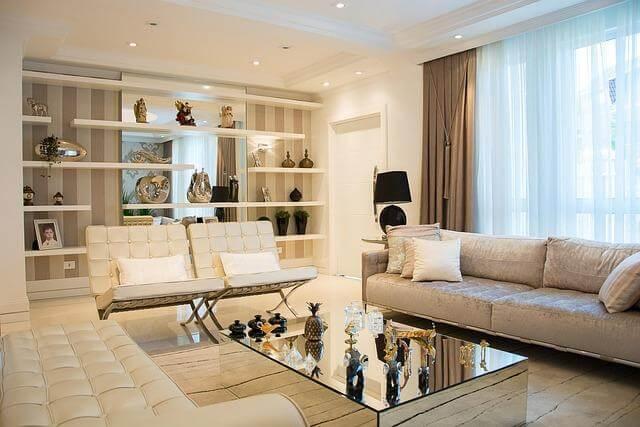
Instead of buying a new, cheap coffee table every two years because the fake wood veneer is peeling off, the quiet luxury mindset asks you to save up and buy one solid piece that will last for decades. You want to look for furniture made with integrity. This means seeking out solid woods with a natural grain you can actually feel, heavy-duty joinery instead of basic screws, and genuine metals that will develop a beautiful, natural patina over time. The goal is to buy things that actually look better after five years of daily use than they did on the day you bought them.
The Power of a Warm, Disciplined Palette
A big misconception about quiet luxury is that it means your house has to be entirely white and completely boring. That is not true at all. However, it does rely on a very disciplined, grounded color palette.
Bright, highly saturated colors like neon pinks or electric blues are naturally loud and demanding. They force your eyes to look at them. Quiet luxury relies on colors that exist in nature because they are inherently calming. We are talking about warm, earthy undertones: deep olive greens, rich terracottas, warm taupes, oatmeal, and mushroom shades.
When you remove loud colors and busy geometric prints from a room, something interesting happens: your eyes start to notice the physical texture of the objects instead. Because the colors are quiet, the textures have to do all the heavy lifting to keep the room from feeling flat.
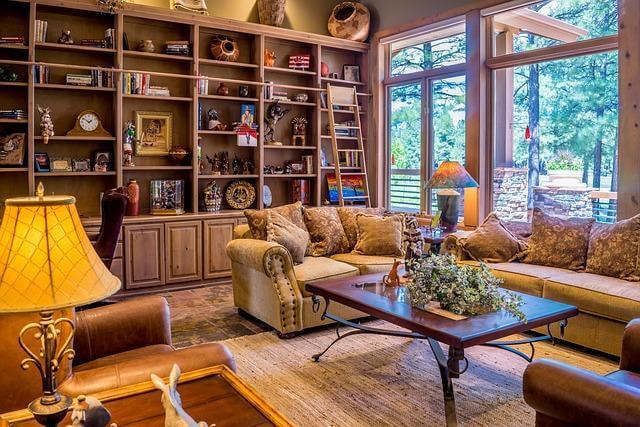
You can create an incredibly rich, sophisticated room using just variations of cream and brown, as long as you mix the right textures:
- Soft against Hard: Drape a heavy, chunky-knit wool blanket over the back of a sleek, cold leather armchair.
- Matte against Shine: Place a rough, unglazed ceramic vase on top of a highly polished, smooth marble side table.
- Woven against Smooth: Pair heavy, rough linen curtains with a buttery-soft velvet sofa.
By pushing these contrasting textures against each other, the room feels deeply layered and complex without ever being visually loud.
Strategic Spending: The Anchor Pieces
You do not have to replace every single item in your house to achieve a luxurious feel. The smartest designers know how to mix high-end investments with budget-friendly basics. The secret is knowing exactly where to spend your money. You want to invest heavily in the “anchor pieces”, the items you physically interact with the most.
The Main Seating Your living room sofa is the ultimate anchor piece. Do not cut corners here. A cheap sofa will start sagging within a year, instantly making the whole room look tired and sloppy. Invest in a sofa with a kiln-dried hardwood frame and high-resilience foam cushions that will hold their tailored shape. Choose a durable, high-quality fabric that feels incredible against your skin.
The Dining Table This is the physical center of your family life. A flimsy, wobbly table ruins the experience of a meal. Spend your money on a table with serious physical weight. Whether it is a thick slab of solid walnut or a heavy piece of sintered stone, a substantial dining table immediately grounds the entire room and makes every meal feel like an important event.
The Lighting Fixtures Lighting is the jewelry of a room. You can have a room full of very basic, inexpensive furniture, but if you hang a beautifully crafted, high-quality light fixture from the ceiling, the entire room is instantly elevated. Conversely, cheap, plastic light fixtures will ruin the look of expensive furniture. Focus on buying lamps and pendants made from real brass, blown glass, or hand-fired ceramic.
Elevating the Hidden Details
True luxury is not just about what guests can see from the doorway; it is about your personal, private experience living in the house. It is found in the small, everyday rituals and the hidden details that make your life slightly easier and more pleasant.
Think about the tactile experience of your home. What does the door handle feel like when you turn it? Swapping out cheap, hollow builder-grade doorknobs for solid, heavy metal hardware is a relatively inexpensive weekend project that radically changes how your house feels every single time you open a door.
Pay attention to your storage. Upgrading your kitchen or bathroom cabinets with soft-close hinges removes the harsh, jarring sound of slamming wood from your daily routine. Investing in heavy, matching wooden hangers for your closet instead of a mess of cheap plastic wire hangers turns getting dressed into a calmer, more organized experience. These details do not scream for attention, but they quietly improve the physical quality of your daily life.
The Art of Breathing Room
Finally, quiet luxury demands restraint. You can buy the most beautiful, expensive furniture in the world, but if you cram too much of it into one room, the space will just feel like a cluttered antique shop.
We often feel a strange pressure to fill every empty corner with a plant, a chair, or a basket, and to cover every inch of a wall with artwork. You have to fight that urge. Negative space—the empty areas around your furniture—is just as important as the furniture itself.
Leaving a beautiful wooden console table completely empty, except for a single, well-made ceramic bowl, shows incredible design confidence. It allows the eye to actually appreciate the craftsmanship of the table and the beauty of the bowl. Letting a wall remain blank gives the room a sense of airy volume.
Quiet luxury is ultimately about editing your home down to the things that truly matter. It is about choosing a few exceptional items over a house full of mediocre clutter. When you focus on the integrity of your materials, the warmth of your textures, and the breathing room in your floor plan, you create a space that doesn’t need to shout to prove its worth. You create a deeply personal sanctuary that simply feels incredibly good to live in.