To be honest, most of us don’t spend a lot of time thinking about our letterbox. It’s just kind of there, doing its thing, collecting bills and the occasional Amazon notification card. But if you’ve got a fence out the front of your home, you might be sitting on a really simple opportunity to tidy up your street presence, save some space, and actually make life a little easier. A fence-mounted letterbox is one of those upgrades that sounds minor but ends up making a surprisingly big difference.
What Is a Fence-Mounted Letterbox?
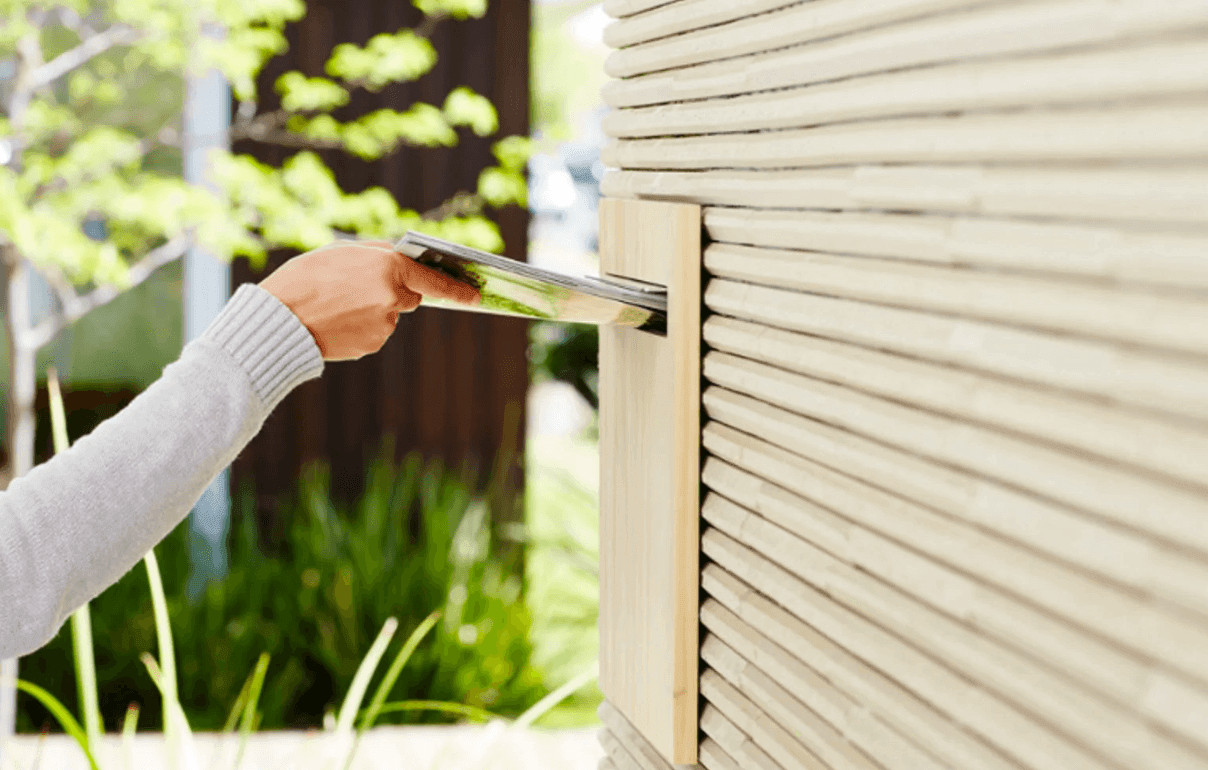
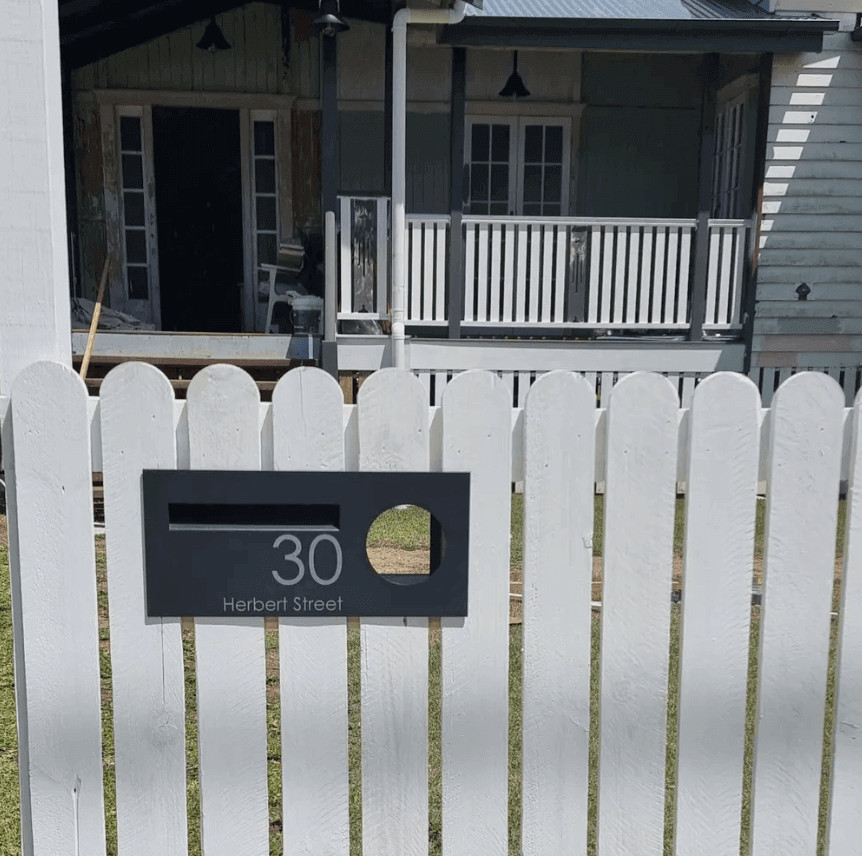
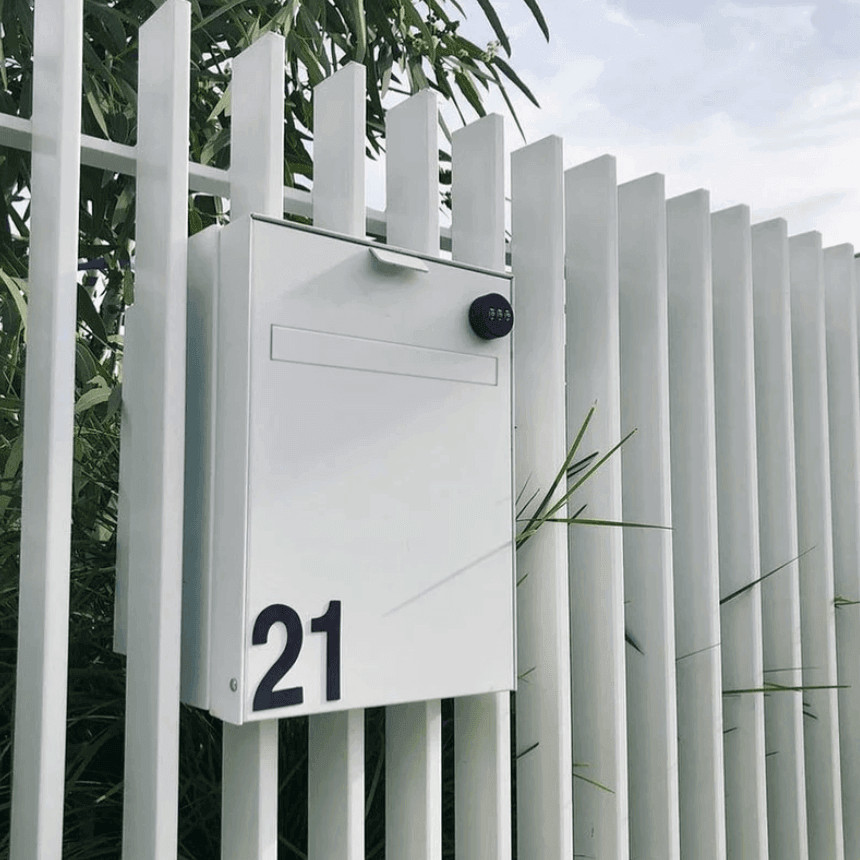
Pretty much what it sounds like. Instead of a standalone post-mounted box sitting in your garden bed or a pillar letterbox taking up real estate near your driveway, a fence-mounted letterbox slots directly into your existing front fence. It becomes part of the fence itself, flush, integrated, and looking like it was always meant to be there.
The great thing is that this style works with a wide range of fence types. Whether you’ve got a timber picket fence, a brick fence, a concrete wall, or even a pool fence, there are models designed to suit. The mounting systems on well-designed fence-mounted letterboxes are typically concealed too, so you’re not left staring at exposed bolts and brackets, just a clean, seamless finish.
Why Would You Choose This Style Over a Regular Letterbox?
Good question. The honest answer is: it depends on your setup, but for a lot of homes, a fence-mounted box just makes more sense.
For starters, it doesn’t take up extra space. If your front yard is on the smaller side, or if you simply don’t want a post sticking out of the ground, mounting directly to the fence solves the problem neatly. There’s no separate structure to install, no concrete to pour, no post to keep straight over the years.
It also tends to look better. A well-chosen fence letterbox gives your home’s exterior a more considered, intentional feel. Rather than a box bolted onto a pole as an afterthought, it becomes a proper design element, something that actually matches or complements the fence it’s built into.
And then there’s the practical side. Because the letterbox is integrated into the fence line, it’s naturally positioned where visitors and delivery drivers expect it to be – right at the boundary of your property. There’s no confusion, no missed parcels left on the doorstep because someone couldn’t find where to put them.
Front Opening or Rear Opening: Does It Matter?
Yes, actually, and it’s worth thinking about before you commit to a particular model.
A front-opening letterbox means mail goes in and comes out from the street side. That’s the standard configuration most people are used to. A rear-opening letterbox, on the other hand, lets you collect your mail from the inside of your property, which is a nice touch if you value privacy or just prefer not to step outside the fence every time you want to grab the post.
Some people specifically seek out rear-opening designs for security reasons. It’s harder for someone to rifle through your mail if they can’t access the opening without coming onto your property. Worth considering if that’s a concern for you.
And if you’re on a narrow block where your frontage is tight, some models offer both front and rear access, which can make life easier for delivery folks while still giving you the convenience of collecting from inside.
What About Parcels?
This is where things have really moved forward in recent years. With online shopping being basically a full-time hobby for most Australian households, a letterbox that only fits standard envelopes is starting to feel a bit inadequate.
The good news is there are now fence letter boxes designed specifically to handle parcels. Some have a separate mail slot at the top and a larger parcel door below, so your everyday letters stay tidy in one compartment while packages drop into a secure space underneath. Other models are large enough to handle bigger deliveries and can be installed in either a fence or brickwork – a nice bit of flexibility if you’re not sure which direction you want to go.
For anyone who gets a lot of deliveries (and let’s face it, who doesn’t), being able to come home to your parcels safely sitting inside a lockable box rather than left on the porch for the world to see is genuinely great.
Materials and Durability: Don’t Cut Corners Here
A letterbox is going to sit outside in all weather, every day, for years. So the material really matters.
Powder-coated galvanised steel is a solid choice for most homes. The zinc coating resists moisture and corrosion, and the powder coat on top gives it a clean, durable finish that holds its colour over time. For homes near the coast, stainless steel is worth the extra investment. Standard 304-grade stainless is great for most situations, but if you’re right on the ocean and dealing with salt spray regularly, 316 marine-grade stainless steel offers even better resistance to the elements.
Installation: Easier Than You’d Think
Most quality picket fence letterboxes are designed with DIY installation in mind. They come pre-assembled and include all the hardware you need. The main task is cutting an opening in your fence to the right size, checking that there’s enough clearance for the door to open properly, and then securing the box in place with the concealed mounting system.
It’s a weekend job for most people. If you’re not confident doing it yourself, any handyman can sort it out quickly.
Final Thoughts
A fence letterbox is one of those small home improvements that punches above its weight. It looks good, it’s practical, it saves space, and once it’s in, you’ll wonder why you waited so long. If you’ve got a front fence already, it genuinely makes sense to use it. Choose a model that matches your fence types and your home’s aesthetics, and you’ll have a letterbox that’s both functional and a stylish feature of your property.