Daylight is one of those design “upgrades” that doesn’t feel like an upgrade until you live with it. A bright kitchen that used to need lights at noon. A loft office that stops feeling like an attic and starts feeling like a studio. Even a narrow hallway becomes easier to move through when it’s naturally lit.
Roof windows are often the quickest route to that transformation because they bring light from above—where shadows are fewer and daylight is more consistent across the day. And if you’re working with a flat roof (common in extensions, garages, garden rooms, and many modern renovations), you’re not limited to traditional skylights. Today’s flat roof glazing systems can be specified for clean lines, strong thermal performance, and reliable weathering, while still delivering the “light-from-the-sky” effect that makes a room feel larger and calmer.
The trick is to treat roof glazing as part of a whole-room strategy—light, heat, ventilation, and usability—rather than a single aesthetic choice.
Why Roof Windows Change How A Room Feels (and performs)
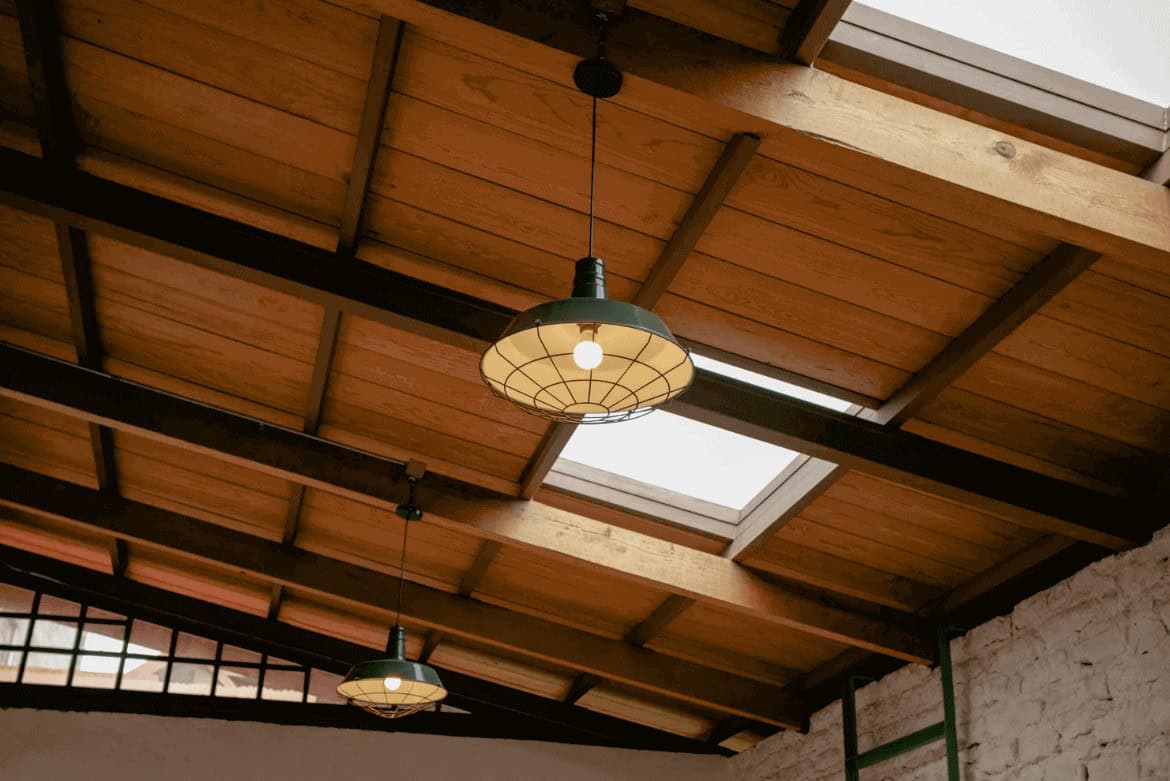
Roof glazing has a different character from vertical windows. It doesn’t just brighten surfaces; it changes the distribution of light in a space. Because light arrives from above, it reaches deeper into the floorplan and reduces glare that can happen when sunlight hits at eye level.
Daylight and Wellbeing: Not Just a Design Preference
There’s a reason daylighting is a major theme in modern building standards and workplace guidance. Exposure to natural light supports healthy circadian rhythms, and many people report improved comfort and focus in daylight-led spaces. You don’t need to chase perfect metrics to benefit; even modest increases in daylight can make a room feel less fatiguing across long workdays.
Energy Use: the “Right” Glass Matters
Roof windows can reduce daytime reliance on electric lighting, but the energy story depends heavily on specification. Poorly chosen glazing can add unwanted solar gain in summer or heat loss in winter. Modern units typically offer low‑E coatings, warm-edge spacers, and insulated frames that dramatically improve performance compared to older skylights.
A useful rule of thumb: aim for a balanced spec—strong insulation (low U‑values), good airtightness, and sensible solar control—rather than chasing one number alone. In a home office with screens, for example, glare control may matter more than maximum light transmission.
Choosing the Right Roof Window for The Space
Before you pick a product, step back and think about how the room is used. A roof window over a stairwell has different requirements than one above a kitchen island.
Fixed vs Opening: Ventilation is A Design Decision
Fixed roof windows are ideal where you want light without changing airflow—think double-height spaces, circulation areas, or rooms where ventilation is already well handled.
Opening roof windows earn their keep in kitchens, bathrooms, and workspaces that heat up quickly. Venting from the top encourages warm air to escape (the stack effect), which can make a space feel fresher with less reliance on mechanical cooling. If access is awkward, consider electric or solar operation, and plan controls so the window is actually used.
Size, Placement, and the “Light Spread” Effect
Bigger isn’t always better. An oversized roof window can introduce glare and overheating, while a well-placed, moderately sized unit can wash the room with soft light. Placement matters as much as area:
- Positioning closer to the centre of the room typically improves light distribution.
- Two smaller roof windows can outperform one large unit by spreading daylight more evenly.
- In a workspace, think about screen position. Light from above is usually easier to manage than direct side light, but reflections still happen.
Privacy and View: Roof Glazing Can Be Discreet
Unlike many vertical windows, roof windows often deliver daylight without compromising privacy—useful for overlooked urban homes, side returns, and garden rooms near boundaries. If you want sky views without feeling “on display,” overhead glazing is often the most comfortable solution.
Details That Determine Comfort: Heat, Condensation, and Acoustics
A roof window that looks great on day one can become a nuisance if comfort factors are ignored.
Managing Solar Gain and Glare
South- or west-facing roof glazing can bring intense afternoon sun. In living rooms that’s sometimes welcome; in offices it can be distracting. Consider integrated blinds, solar-control glazing, or external shading where appropriate. The goal is controllable daylight—bright when you want it, calmer when you need it.
Condensation: the Hidden Performance Test
Condensation is rarely about “bad glass” alone. It’s usually a mix of humidity, ventilation, and cold surfaces. Bathrooms and kitchens need effective extraction; bedrooms benefit from background ventilation. A well-insulated roof window helps by keeping internal surfaces warmer, reducing the conditions that lead to moisture forming.
Sound in Workspaces
If you’re adding roof glazing to a garden office or loft workspace, don’t forget acoustics. Rain noise and external sound can be an issue near flight paths or busy roads. Acoustic glazing options (or laminated panes) can make a surprising difference, especially if your calls and concentration matter.
Installation and Planning: Where Projects Succeed or Fail
Most roof-window “problems” trace back to details at the junctions—upstands, flashing, drainage, and internal finishing.
Design for Water Management, Not Just Weather Resistance
Flat roofs demand careful detailing around the opening to move water away efficiently. Correct falls, properly formed upstands, and compatible waterproofing are non-negotiable. If you’re renovating an older extension, it’s worth assessing roof condition at the same time; adding a roof window to a tired roof can create avoidable risk.
A Practical Pre-quote Checklist
Before you request pricing or commit to an opening size, make sure you can answer:
- What is the room’s primary use (kitchen, office, bathroom, hallway)?
- Do you need ventilation from the roof window, or is it fixed?
- What orientation will the glazing face, and is overheating a concern?
- How will you manage glare (blinds, coating, placement)?
- Who is responsible for waterproofing details and internal finishing?
That short list prevents most mid-project surprises.
Making It Feel Intentional: Finishing Touches That Elevate the Result
The interior “reveal” (the finished surface around the window) affects how light behaves. Deep, dark reveals can trap light and make the opening feel smaller. A lighter finish and a splayed reveal (angled outward) help daylight spread across the ceiling and down the walls. It’s a small design move with an outsized impact—especially in compact rooms.
Finally, consider how the roof window fits the rest of your lighting plan. Roof glazing can reduce daytime lighting needs, but you’ll still want layered lighting for evenings: a mix of ambient, task, and accent light that complements the natural daylight you’ve added.
Roof windows aren’t just about adding brightness. Done thoughtfully, they reshape the comfort and usability of a space—turning spare rooms into places you want to spend time, and work areas into environments that support focus rather than fight it.