Step into an unfinished attic on a hot summer day and you feel it right away. The heat does not just sit in the air. It radiates down from the roof deck above.
That difference matters.
Most attic heat in summer comes from radiant energy. The roof absorbs sunlight, heats up, and then sends that heat into the attic space. Standard insulation slows heat moving through materials, but it does not stop radiant heat very well.
That is where reflective insulation designed for energy efficiency, often called a radiant barrier, can make a real difference.
When installed correctly, reflective insulation reduces the amount of radiant heat entering your attic. That can lower attic temperatures and reduce strain on your cooling system.
If you are comparing options, focus on what drives performance: low emissivity, correct placement, and an open air space next to the reflective surface. Products such as foil-based reflective insulation designed for energy efficiency work by reducing radiant heat transfer from the hot roof deck into the attic below.
Why Roof Spaces Collect So Much Heat
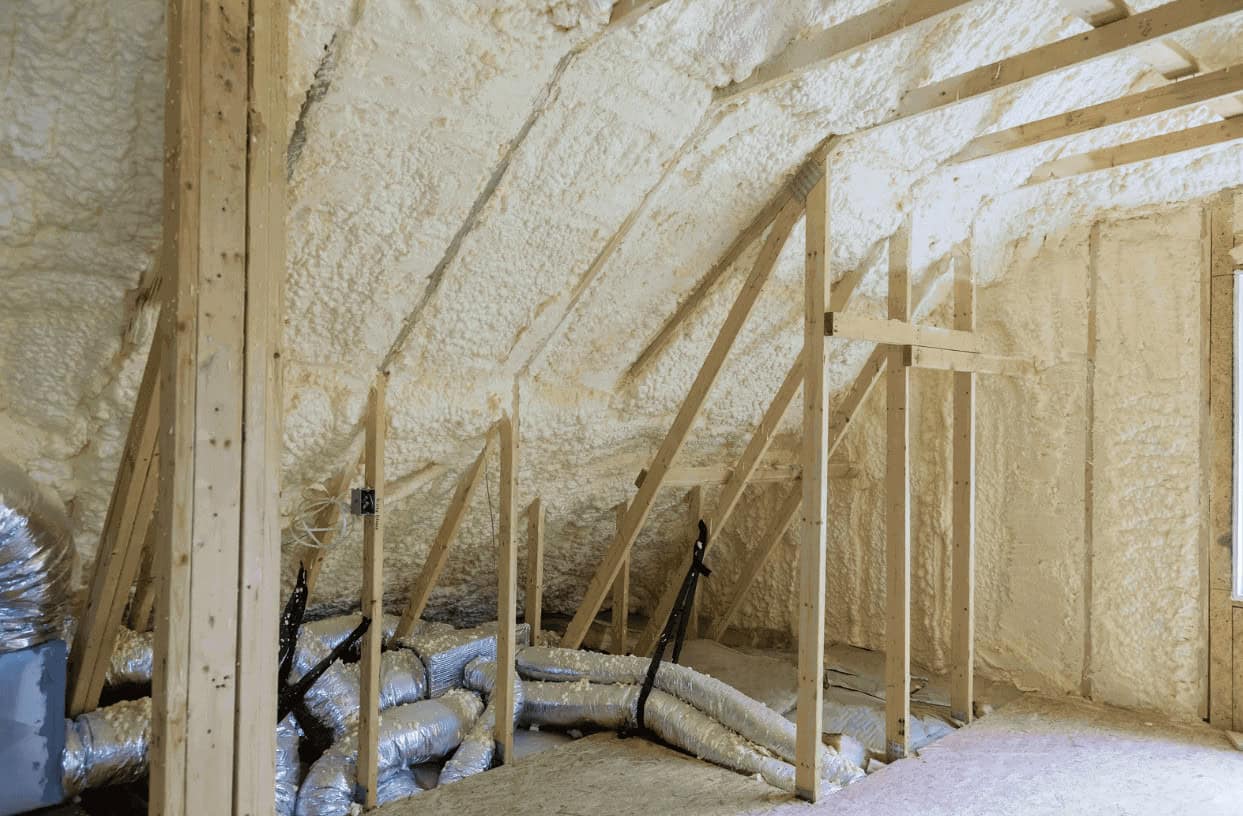
Radiant Heat Dominates in Summer
On a sunny day, roof surfaces can exceed 150°F depending on color and ventilation. The roof deck then transfers heat into the attic.
This heat moves in three ways:
- Conduction through solid materials
- Convection through moving air
- Radiation from hot surfaces to cooler ones
In most hot attic spaces, radiation plays a major role. The hot roof deck radiates heat toward insulation, framing, ductwork, and the attic floor.
Fiberglass or cellulose insulation slows conduction and air movement. But it does not stop radiant heat very well. Reflective insulation targets that gap.
How Reflective Insulation Works
Low Emissivity Reflects Radiant Heat
The key property behind reflective insulation is low emissivity.
Shiny aluminum foil does not release much radiant heat. Instead, it reflects much of it back toward the source. When installed properly, it reduces the heat that would otherwise radiate into the attic space.
In simple terms, it acts like a mirror for heat.
The Air Gap Is Critical
Reflective insulation only works well if it faces an open air space.
If foil is pressed tightly against another solid surface, it cannot block radiant heat effectively. The air space allows the reflective surface to reduce heat exchange between the roof deck and attic surfaces.
This is why installation details matter as much as the material itself.
Where Reflective Insulation Fits in a Roof System
It Works Best With Bulk Insulation
Reflective insulation does not replace traditional insulation.
Bulk insulation such as fiberglass batts or blown cellulose slows heat moving through materials. A radiant barrier reduces heat radiating from the roof deck.
In many homes, using both delivers the best results.
For example, if HVAC ducts run through a hot attic, lowering attic temperatures can reduce heat gain inside those ducts. That helps conditioned air stay cooler as it moves into living spaces.
Climate Makes a Difference
Reflective insulation performs best in hot, sunny climates where roof surfaces get very hot.
In colder climates, the benefit may be smaller. If heat loss through air leaks is the main problem, air sealing and added R-value may provide greater returns.
The right solution depends on your climate and attic design.
Installation Details That Affect Performance
Even high-quality reflective insulation will underperform if installed poorly.
Focus on these basics:
- Maintain ventilation paths from soffit to ridge where applicable
- Preserve the required air space next to the reflective surface
- Overlap and secure seams properly
- Keep material clear of recessed lights, chimneys, and other heat sources
- Follow local building codes and manufacturer instructions
Dust buildup can also reduce reflectivity over time. Proper attic ventilation helps limit debris and supports long-term performance.
Reflective Insulation Is Part of a Bigger System
Lower attic temperatures help. But reflective insulation will not fix other problems.
If you want real energy savings, address the attic as a complete system:
- Seal air leaks around plumbing vents and wiring penetrations
- Repair duct leaks
- Ensure adequate bulk insulation levels
- Confirm proper ventilation
Once air movement is under control, managing radiant heat becomes much more effective.
The Bottom Line
Reflective insulation works because it targets radiant heat, which is a major source of attic heat gain in warm weather.
Its effectiveness depends on three key factors:
- Low emissivity
- Proper installation
- An open air space
When used in the right climate and combined with good insulation and air sealing, a radiant barrier can reduce attic heat load and improve overall comfort.
If your attic feels like an oven in summer, radiant heat is likely part of the problem. Reflective insulation can be a practical tool to control it, as long as it is installed correctly and integrated into a well-designed roof system.