People expect commercial environments to feel inviting, restorative, and connected to the natural world. Building owners and facility designers face growing demands to transform rigid concrete lobbies, open-plan workspaces, and expansive hospitality lounges into organic environments that lower stress and keep guests engaged longer. Integrating living flora offers a proven solution, bridging the gap between built architecture and biological wellness while establishing clean spatial flow throughout large properties.
Integrating greenery throughout modern interiors requires careful planning and the right architectural assets. By selecting durable materials and placing greenery strategically, commercial property managers can build memorable indoor ecosystems that support high foot traffic while elevating overall brand prestige.
How Do Biophilic Accents Influence Guest Dwelling Time and Mood?
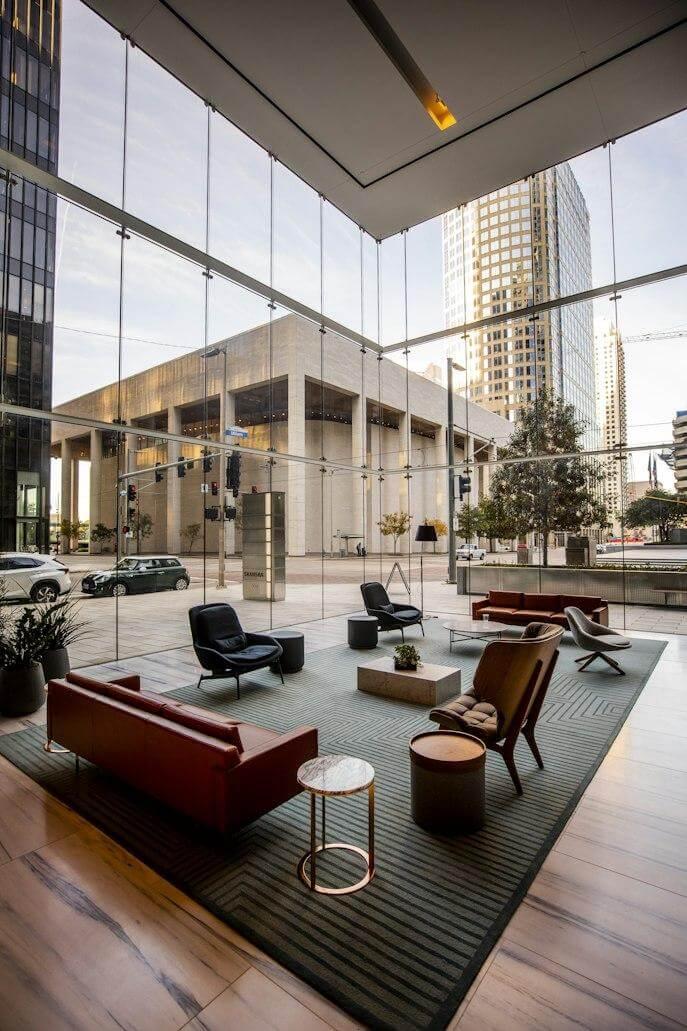
Designing commercial interiors around human biology directly influences how visitors feel, move, and spend time inside a venue. Research from The Real VAL shows that 73% of commercial office tenants express a willingness to pay higher rates per square foot for spaces featuring rich natural light and organic elements. Introducing living plants into public areas breaks up stark synthetic visual lines, softening the immediate environment and encouraging guests to sit down, relax, or collaborate comfortably.
Visual exposure to organic foliage lowers perceived stress and creates an inviting backdrop that directly extends how long guests stay in retail stores or hotel lobbies. Long-term spatial satisfaction increases significantly when guests interact with living greenery, turning routine commercial visits into positive sensory experiences that boost tenant retention and customer loyalty.
How Can You Use Planters to Unify Indoor and Outdoor Decor?
Creating a seamless transition between outdoor plaza spaces and interior rotundas gives commercial properties a cohesive, expansive atmosphere. Utilizing cohesive container styles across both exterior patios and interior entryways creates visual harmony, guiding guests naturally from the street into the heart of your building. Using reliable interior planters from brands such as Pots Planters and More allows designers to establish a unified aesthetic across diverse architectural zones without compromising structural durability.
Standardizing planter finishes and color palettes establishes a strong design identity throughout the entire site. Bringing exterior design elements inside removes harsh visual boundaries, making indoor areas feel larger, brighter, and intrinsically linked to nature.
Selecting Industrial-Grade Containers for High-Traffic Public Lobbies
High-footfall commercial zones like office hubs and hotel lobbies present unique environmental demands on interior furnishings. Planters deployed in public thoroughfares must withstand accidental impacts, cleaning chemicals, and continuous foot traffic without showing wear or chipping. Choosing heavy-duty commercial planters ensures your living features remain pristine despite daily wear and tear.
Fiberglass containers offer exceptional structural durability while remaining lightweight enough for flexible maintenance and spatial updates. Selecting commercial-grade vessels with leak-proof liners, UV resistance, and stain-resistant finishes protects interior floors and maintains a polished aesthetic across every entrance and corridor.
Architectural Layout Tips for Dividing Continuous Floorplans with Foliage
Open floor plans require clear spatial organization to manage foot traffic and create functional, distinct zones. Rather than relying on rigid drywall or heavy partition screens, forward-thinking property managers use living foliage screens to define spaces naturally while keeping sightlines open and airy.
Building Natural Privacy Screens with Trough Containers
Rectangular trough planters stacked with tall ornamental grasses, snake plants, or bamboo create effective acoustic and visual partitions. Positioning these long containers along seating clusters or dining zones creates intimate micro-environments while absorbing ambient background noise.
Steering Foot Traffic with Modular Arrangements
Arranging modular plant containers in soft linear paths guides visitors through wide lobbies toward reception desks or elevator banks. Using varied planter heights encourages organic traffic flow without creating obstructive visual barriers.
Highlights for Long-Term Interior Plant Success
- Prioritize low-maintenance species: Select sturdy indoor plants like ZZ plants, pothos, or sansevieria that thrive under artificial light.
- Incorporate hidden sub-irrigation: Equip large lobby planters with self-watering reservoirs to streamline daily maintenance schedules.
- Match vessel scale to ceiling height: Match large, lofty rotundas with tall, impactful planters to maintain architectural balance.
What Does Research Say About Biophilic Design and Commercial Value?
Investing in biophilic elements delivers measurable economic returns alongside aesthetic upgrades. Studies highlighted by Architectural Design Group demonstrate that nature-inspired commercial interiors featuring soft layouts and natural timber significantly increase overall user satisfaction and space utility. Integrating living plants, abundant natural light, and organic textures directly improves space performance metrics, turning passive real estate into an active asset for tenant acquisition.
Properties that prioritize natural integration consistently outperform traditional commercial layouts in foot traffic metrics, lease renewals, and overall property value. Incorporating living assets helps modern venues maintain a strong competitive edge in crowded commercial markets.
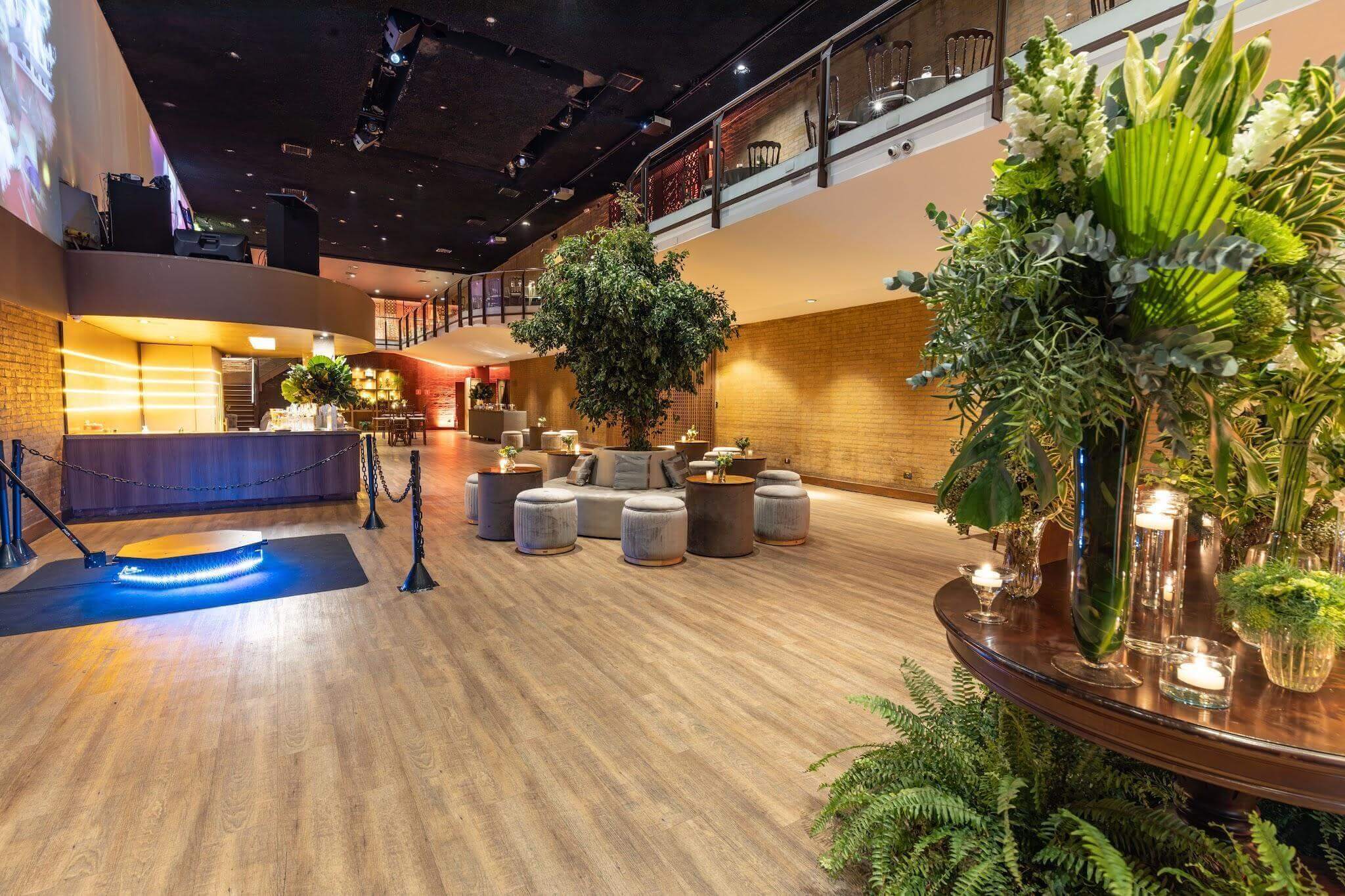
Designing inviting, nature-rich commercial spaces creates long-term value for building managers and visitors alike. Thoughtful placement of durable planters, strategic green partitions, and resilient foliage turns cold architectural layouts into vibrant, healthy spaces that keep guests returning.