DIY projects offer a level of control and satisfaction that’s hard to beat. Whether it’s upgrading a garage or building a deck, hands-on work gives homeowners the chance to shape their environment. Still, experience shows that even simple projects can carry risks when safety and planning don’t get the attention they deserve.
Many home accidents tied to DIY work are not the result of bad luck. They come from avoidable mistakes, such as rushed timelines, overlooked details, or a lack of understanding of materials.
A project that looks solid on the surface can hide weaknesses that only show up under pressure. Recognizing these common DIY mistakes can make the difference between a successful build and a costly setback.
Skipping Proper Planning Before Starting
A solid plan is the foundation of any successful project. When planning is rushed or incomplete, mistakes tend to stack up quickly. Measurements are estimated rather than confirmed, materials are chosen without regard to long-term durability, and structural factors are overlooked. These early missteps often lead to adjustments during the build, increasing the likelihood of errors.
Planning also involves understanding how a project fits into the existing structure. Removing part of a wall, extending a deck, or modifying a garage setup can affect load distribution, wiring, or moisture flow.
Visibility within the space is worth factoring in, too. Dome mirrors are one example of a safety feature that requires specific placement considerations during the planning phase to be effective. Overlooking these details early can mean retrofitting solutions later that disrupt an otherwise finished layout.
Without a clear plan, these connections are easy to miss. The result is a project that may look finished but lacks the strength or stability needed over time. Taking time up front to map out each step reduces guesswork and keeps the build on solid ground.
What role do permits and local building codes play in DIY projects?
Permits and building codes ensure that any work done meets safety and structural standards set by local authorities. Ignoring these requirements can result in fines, forced removal of completed work, or unsafe conditions. Checking local regulations before starting a project helps avoid complications and ensures the build meets legal and safety expectations.
Underestimating Structural Strength and Build Quality
Structural integrity is one area where shortcuts can have lasting consequences. Walls, supports, and framing elements are expected to handle more than everyday use. They need to hold up under pressure, whether that comes from weight, movement, or unexpected impact.
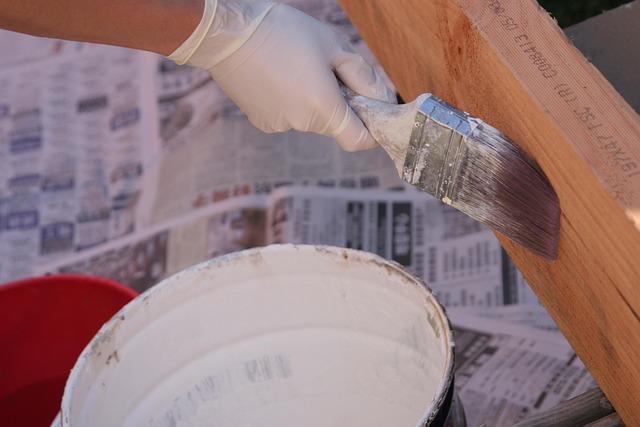
Consider paint, for instance, which can significantly affect the structural integrity of homes. It can act either as a crucial protective barrier or, if chosen or applied incorrectly, as a cause of long-term damage.
Thus, improper application may weaken the walls. This can cause severe damage due to accidents like the one in Colorado Springs. A car drove straight into a home and left two people injured. In such situations, part of the structure needs to be stabilized to prevent further collapse. However, the victim can connect with a Colorado Springs personal injury lawyer to seek compensation.
According to the Springs Law Group, victims can also ask for compensation for any medical expenses, lost wages, emotional damage, etc. Situations like this highlight how critical strong construction is, especially when facing forces no one plans for. Poor DIY work can leave structures vulnerable in these moments.
Misusing Tools and Ignoring Safety Gear
Tools can make or break a project, and the way they are handled plays a major role in safety. Power tools, in particular, demand attention and respect. A saw with a dull blade or a grinder used without proper control can lead to injuries in seconds. Many accidents happen when users become too comfortable and start skipping basic precautions.
Safety gear gets pushed aside once the work feels routine. Eye protection, gloves, and hearing protection may seem unnecessary for quick tasks. However, those are the moments when mistakes tend to happen.
A small slip or unexpected movement can lead to serious consequences without the right protection in place. A clean, organized workspace also matters. Good lighting, stable surfaces, and clear pathways help maintain control and reduce the chance of accidents.
It is also essential to understand which tools need the most precaution. Data show that common household tools like hammers, screwdrivers, and wrenches cause most injuries. Collectively, these hand tools caused 23.48% of all tool-related injuries in the US in 2024. It was reported that these tools accounted for approximately 119,798 injuries.
How often should DIY tools be inspected or maintained for safety?
Tools should be inspected before every major use, especially power tools. Checking for worn-out parts, loose components, or electrical issues can prevent accidents. Regular maintenance, such as sharpening blades and cleaning moving parts, ensures tools perform efficiently and reduces the risk of unexpected malfunctions.
Rushing Electrical and Plumbing Work
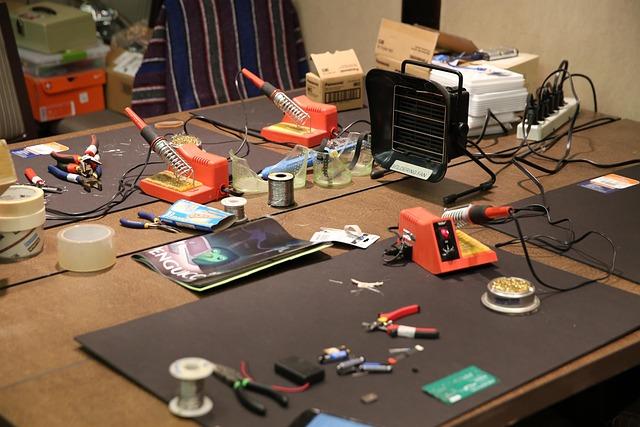
Electrical and plumbing systems require a steady approach and close attention to detail. Rushing through these tasks often leads to problems that are not visible right away. Loose wiring, overloaded circuits, or poorly sealed pipes can remain hidden until they cause damage.
Many DIYers rely on quick tutorials and assume the process will be the same in every home. In reality, older wiring systems, outdated plumbing, and inconsistent layouts add complexity.
Small mistakes in these areas tend to grow over time, making repairs more expensive and disruptive. Taking extra time to double-check connections and follow proper standards helps prevent these hidden risks from developing.
DIY electrical work, for instance, can lead to common issues such as faulty outlets, improper extension cords, and wiring problems. These common problems cause electrical fires, which result in hundreds of deaths and injuries annually. They also cause property damage worth over a billion dollars every year.
How can water pressure issues affect DIY plumbing work?
Incorrect water pressure can strain pipes, joints, and fixtures, leading to leaks or bursts over time. DIYers often overlook pressure regulation, which can compromise the entire system. Using pressure regulators and testing the system after installation helps ensure long-term reliability.
DIY work gives homeowners the freedom to improve and customize their spaces, but it also comes with responsibility. The most common mistakes are often the simplest ones, like skipping planning, rushing through tasks, or overlooking safety measures. These decisions can lead to accidents that affect both the structure and the people using it.
A well-executed project goes beyond appearance. It reflects careful preparation, proper technique, and an understanding of how each part of the build works together. Taking the time to approach each project with the right mindset helps create results that are both durable and safe. This reduces the risk of costly and preventable accidents.