
Do you enjoy getting your hands all messy in DIY projects? Surely, the result makes all the preceding chaos worthwhile, right?
Now, compare this process and experience to a construction site. Nothing starts or ends casually. This is to imply that every task is broken down and organized before the first cut is made.
No matter the scale of the project, lessons can be universal. As a passionate DIYer, you should consider taking notes from the resilient construction sector.
Certain habits and practices characteristic of this sector will help you carry out your projects with more precision. This article will share four lessons taken straight out of construction zones that every DIY home project should follow.
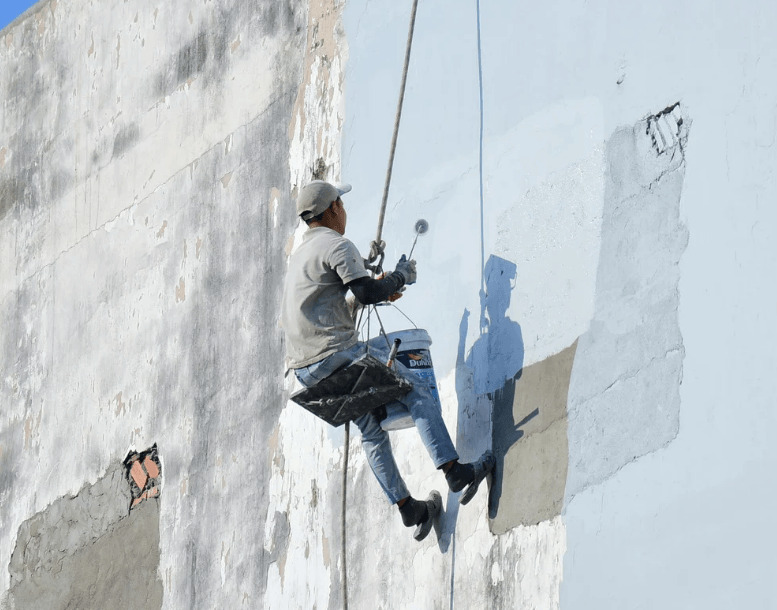
Proper Setup Defines the Entire Project Outcome
Go to any construction site, and you will observe that the outcome of a project is often determined long before any physical work begins. Teams get together to map out the area, get their required measurements, and plan material deliveries to and through the site. This early stage is about organizing the workflow in advance.
Effective planning becomes even more important on large commercial projects where multiple contractors, schedules, and budgets must be coordinated. This is where experienced construction management services in Chicago can provide valuable oversight, helping keep projects organized, on schedule, and aligned with overall project goals.
Supply chain disruptions have been an ongoing cause of distress within the construction industry. This usually happens when material delivery and staging are not planned well.
Now, logistics in itself is a major challenge at times. Poor coordination between delivery routes and access points can contribute to road transport disruptions linked to supply chains. In worst-case scenarios, accidents may also be a part of the picture.
In places like Rogers, Arkansas, where construction activities are increasing due to ongoing residential/commercial development, such risks are inherent in the local scenario. As the Keith Law Group notes, the immediate aftermath often involves injuries like lacerations, severe burns, broken bones, and whiplash.
That’s not all, since the next steps would have to do with understanding liability and negligence. For this, support from a Rogers personal injury lawyer may be required since legal procedures can be daunting and confusing.
In the process, materials loaded onto that vehicle also tend to get damaged or lost. Now, this is on a much larger scale, but DIY home projects can apply the same principle. It’s important to start on the right note, as poor planning can lead to misplaced materials and inefficient movement.
So, what will your focus areas look like? Here’s a rundown of them:
- Define the layout and dimensions of the project before commencing.
- Confirm the measurements and reference points early on.
- Decide on the delivery and unloading zones as well in advance.
- Maintain a clear path of movement for materials and equipment.
Outdoor Work Requires a Slower Pace
The construction site is not a great equalizer; far from it. Work done outside must be treated as variable because ground conditions are dynamic, and weather doesn’t always stay the same.
The Centers for Disease Control and Prevention (CDC) notes that nearly one in five fatalities occurs in the construction sector. That’s because outdoor conditions, being unpredictable, increase the risk of falling from a height, being hit by falling tools or materials, and getting caught between structures.
In case of DIY projects at home, the takeaway is to reduce speed and increase control. Outdoor structures, including fences, sheds, and decks, tend to fail more often due to hasty execution than complexity.
To replicate the level of caution construction sites practice, adopt the following strategies:
- Check the ground’s leveling at different points since it rarely shows at a single reference.
- Carry out measurements again after placing materials, as the alignment can easily change.
- Keep materials steady before cutting or fixing them, especially if it’s a windy day.
- Work in small sections, completing one part before you move on to another.
- Take a break if weather conditions change, since wind, heat, soil erosion, and moisture can affect your work.
- Use temporary bracing to prevent the movement of materials during installation.
On a construction site, a slower approach is primarily effective in reducing instances of accidents and mistakes. The same applies to home projects. You will maintain safer working conditions and get cleaner results alongside minimal to no material wastage.
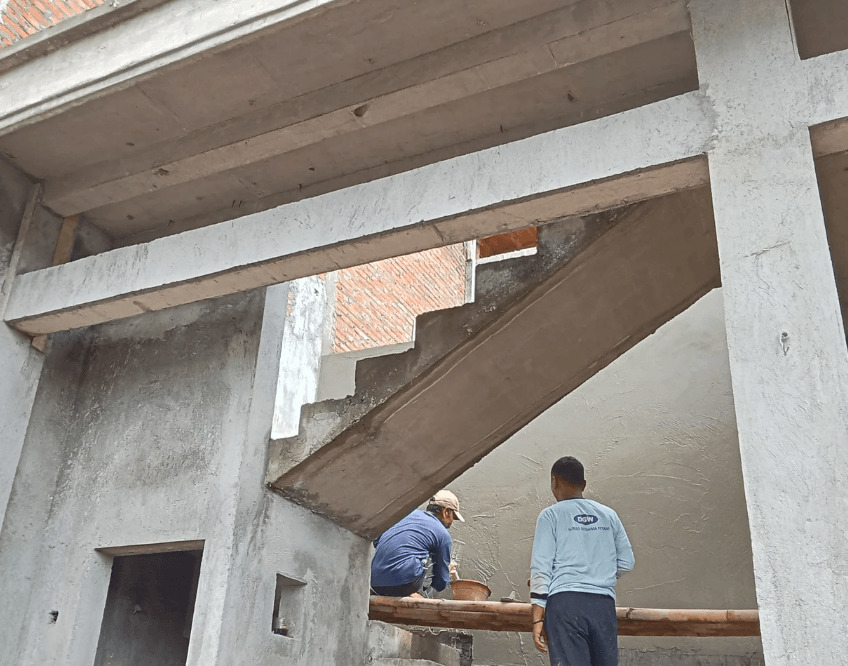
Good Tool Habits Lead to Better Results
On a construction site, one cannot use their tools willy-nilly. There is a certain discipline to follow, whether it comes to the material, the equipment, or the measurements.
Recent data shows that falls continue to be the leading cause of death across construction sites. This type of tragedy is often linked with improper positioning of ladders or poor handling of tools.
The habits a worker develops around tool usage may seem trivial, but they are anything but. These habits stand at the crossroads of life and death, quite literally. Home projects can at least learn the fact that small habits around tools can have real consequences.
After all, most mistakes are the result of skipping certain steps. That may be cutting materials without securing them or using tools without confirming they’re in good condition. Follow the practices listed below, and you should be good:
- Secure the material to prevent movements during cutting or drilling activities.
- Keep cuts straight and accurate by marking them first.
- Avoid damage or poor results by using the right tool for the task.
- Always check each tool before use, as dull or loose parts reduce control.
- Maintain a steady grip to improve precision.
This is about safety, yes, but that’s not all. Good tool habits, when followed consistently, reduce downtime and offer greater confidence at work. Across both settings, fewer mistakes and better long-term performance are guaranteed.
Material Handling Impacts Every Stage of a Project
No construction site runs smoothly from start to finish on guesswork and ‘winging it.’ From the timing of delivery to the storage location, everything is thoughtfully planned.
Let’s digress for a moment and consider the size of the construction industry. In 2024, the sector that generated a value of $11.39 trillion is expected to bring in $16.11 trillion by 2030. This means projects that are already complex today will only become even more so in the future.
At that scale, materials are moved constantly across multiple stages. Poor handling can not only disrupt the workflow but also hinder progress and affect the quality of the outcome. So, proper material handling is not a task exclusive to the construction process.
When it comes to DIY home projects, only the scale of the project changes. This means the same principle is still applicable. Materials that are stored without planning or left exposed will get damaged and impact the results.
So what do you do to ensure all materials are handled properly? Well, consider the following strategies:
- Reduce unnecessary movement by clearly mapping out where each material will be stored.
- Keep all materials off the ground and cover them against moisture.
- Have similar items kept at the same spot for easier access.
- Use proper methods for lifting heavier items.
- Avoid repeated handling of materials as far as possible.
If you have a clear plan laid out for the materials, there will be no need to exert unnecessary effort in moving them from one place to another. What’s more is that fewer interruptions will be needed to make changes midway through a project.
Have your DIY projects so far felt like you’re figuring out as you go? Now, you know what they say about dead fish going with the flow, right? If you want each project to be a roaring success, it’s time to learn to swim upstream.
In other words, understand that no construction site would survive on a laid-back approach. Things must be meticulously planned and executed.
So, the next time, don’t start with a tool in your hand, but with a plan in your mind. The minute you stop winging it is the moment when your DIY home projects will take a turn for the better.
