A bare concrete floor is one of the most overlooked surfaces in a home. It cracks, stains, throws off dust, and quietly drags down the look of a garage or basement. A good coating turns that raw slab into a durable, easy-to-clean surface that actually looks finished.

Photo by Serjan Midili on Unsplash
Interest in these coatings has grown fast, and so has the number of specialists offering them. Based in Fort Wayne, IN, Duration Concrete Coatings by Duralast has extended its service areas across Northwest Ohio, now reaching Defiance, Bryan, Van Wert, Paulding, and the surrounding towns. This guide explains how the coatings work and how to choose the right one.
Why Coat a Concrete Floor at All?
Because raw concrete is porous and fragile in ways people underestimate. Left bare, it soaks up oil, road salt, and moisture that stain and slowly break it down.
A coating seals the surface against all of that. It resists chemicals, wipes clean in seconds, and stops the fine dust that bare concrete constantly sheds. The floor goes from something you tolerate to something you are glad to show off.
There is a value angle too. A clean, coated garage or basement floor makes the whole space feel finished, which matters when you sell. It is a relatively small upgrade that lifts the perceived quality of the room around it.
What Are Your Coating Options?
A few main systems, each with its own strengths. The right pick depends on the space and how fast you need it back.
- Epoxy, a tough, affordable classic that bonds hard to concrete.
- Polyaspartic, which cures fast and resists yellowing in sunlight.
- Polyurea, prized for flexibility and abrasion resistance.
- Acrylic sealers, the budget option for lighter-duty areas.
- Decorative flake or metallic finishes layered on top.
Epoxy and polyaspartic dominate the residential market for good reason. When comparing products, checking the EPA guidance on indoor air quality helps you weigh the fumes, especially for a basement. For a more sustainable home, low-VOC systems are worth prioritizing. A contractor can match the system to your climate and use.
Where Do Coatings Make the Biggest Difference?
Anywhere concrete takes a beating. A few spaces reward the investment most.
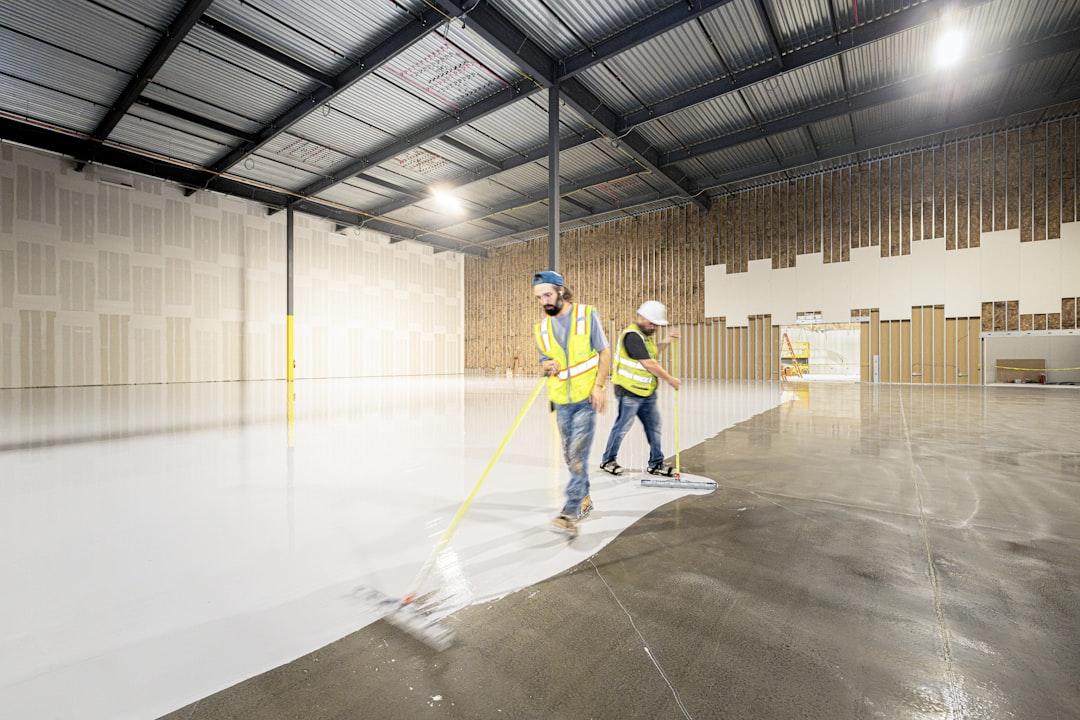
Photo by Craftsman Concrete Floors on Unsplash
The garage is the classic case, where oil, tires, and salt punish the floor daily. Basements benefit too, gaining a cleaner, brighter, more usable feel. Even a back patio or pool deck can be coated for grip and looks, tying outdoor spaces together.
The common thread is high traffic and exposure. The harder a floor works, the more a coating pays back in durability and easy upkeep. Low-use corners rarely justify the cost.
Should You DIY or Hire a Pro?
It depends on the product and your tolerance for risk. Surface prep is where most DIY jobs succeed or fail.
A store-bought acrylic sealer is within reach of a careful weekend warrior. But professional epoxy and polyaspartic systems demand proper grinding, moisture testing, and fast, precise application. Get the prep wrong and the coating peels within a year, erasing any saving.
When Is a Professional Worth It?
For most durable, long-lasting systems. The materials are less forgiving than a can of paint.
Pros bring diamond grinders, moisture meters, and the experience to apply a coating in its short working window. That is also how a job avoids the kind of renovation mistakes that come from cutting corners, since a failed DIY coating is expensive to strip and redo. For a floor you want to last a decade, hiring out is usually the smarter money.
How Do You Choose a Coating Contractor?
Carefully, because prep quality is invisible once the floor is down. A few checks separate a lasting job from a peeling one.
- Ask exactly how they prepare and grind the concrete.
- Confirm the specific product system and its warranty.
- Check that they test for moisture before coating.
- Review photos and references from local past jobs.
- Get the scope, timeline, and price in writing.
A good contractor explains the prep in detail and stands behind the result. Financing a larger project through options explained in the CFPB guide to a home equity loan can help spread the cost. Local experience matters too, since climate and slab conditions vary by region.
Key Points About Concrete Floor Coatings
- Bare concrete stains, cracks, and sheds dust over time.
- Coatings seal the surface and make it easy to clean.
- Epoxy and polyaspartic lead the residential market.
- Garages, basements, and patios benefit the most.
- Surface prep decides whether a coating lasts or peels.
- Vet a contractor on prep, product, warranty, and references.
Getting a Floor That Lasts
A concrete coating is one of the higher-return upgrades you can make to a hardworking space. Match the system to the room, take surface prep seriously, and lean on a qualified local contractor for the durable options. Do that, and a dusty slab becomes a clean, tough floor that holds up for years.
Frequently Asked Questions
How long does a concrete floor coating last?
A professionally installed epoxy or polyaspartic floor can last ten years or more with normal use. Lifespan depends heavily on surface prep and the quality of the product. A cheap DIY sealer will not last nearly as long.
Is epoxy or polyaspartic better for a garage?
Both work well, with different strengths. Epoxy is tough and affordable, while polyaspartic cures faster and resists yellowing in sunlight. A contractor can recommend the better fit for your climate and schedule.
Can I coat a concrete floor myself?
A basic acrylic sealer is doable for a careful DIYer. Durable epoxy and polyaspartic systems, though, need grinding, moisture testing, and fast application that usually call for a professional. Poor prep is the most common reason DIY coatings fail.
Why does surface preparation matter so much?
The coating can only bond as well as the surface beneath it. Proper grinding and moisture testing let the product grip the concrete instead of peeling away. Skipping prep is the single biggest cause of early coating failure.