Choosing the right roofing material is a major decision for homeowners, especially in regions with strong sun and high temperatures.
Understanding how metal roofing performs compared to other materials — and how color and finish affect heat — helps you pick the best option for your home.
This guide explains roofing physics, compares metal to traditional shingles, and outlines the best roofing materials for hot climates, with real, practical insight homeowners can trust in 2026.
How Roofing Materials Interact With Sun and Heat
All roofs absorb some amount of solar energy. What matters most is how much of that heat is transferred into your home.
When sunlight hits a roof:
- Some energy is reflected into the atmosphere
- Some energy is absorbed into the roofing material
- Some heat travels into the attic and living spaces
Roofing performance in heat depends on:
- Reflectivity: How much sunlight is reflected
- Emissivity: How well the roof releases absorbed heat
- Color and finish: Lighter colors reflect more than darker ones
Do Metal Roofs Attract Heat?
The short answer is no, metal roofs do not inherently make your house hotter. In fact, under the right conditions, they can stay cooler than many other roofing types.
Here’s how:
Metal Roofing and Heat
- Reflects more sunlight: Metal naturally reflects a significant portion of solar radiation, especially when coated with reflective finishes.
- Releases heat quickly: Because metal conducts heat well, it can shed heat faster once the sun sets or shade moves across the roof.
- Performs well with insulation: Combined with proper attic ventilation and insulation, metal roofs can keep indoor temperatures lower.
So while metal surfaces may feel hot to the touch in direct sunlight, that doesn’t necessarily translate to hotter indoor temperatures.
Are Metal Roofs Cooler Than Shingles?
Yes, metal roofs are often cooler than traditional asphalt shingles when properly designed:
Asphalt Shingles
- Tend to absorb more solar energy
- Can trap heat longer
- Raise attic temperatures if ventilation and insulation are not optimized
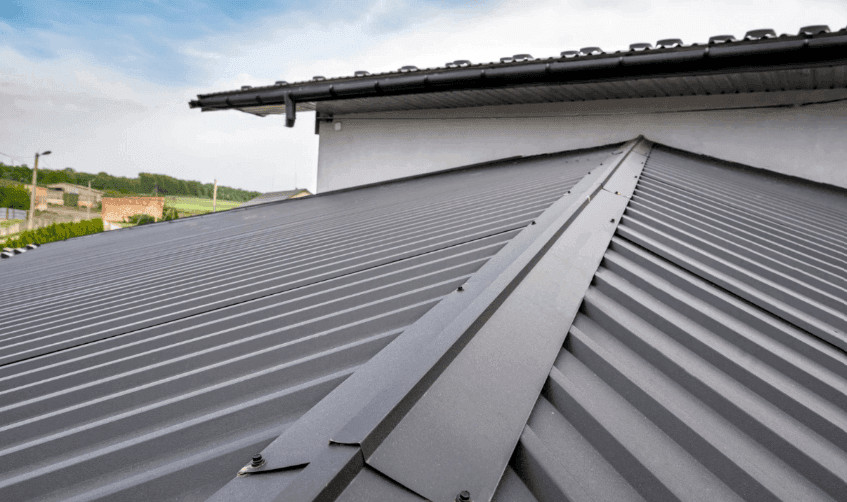
Metal Roofing
- Reflects a higher percentage of sunlight
- Releases heat faster
- Performs even better with reflective coatings or “cool roof” paints
In many hot climates, properly installed metal roofing can reduce attic heat gain compared to standard shingles.
Best Roofing Materials for Hot Climates
If heat management is a priority, consider these roofing options:
1. Metal Roofing
- Best overall for heat reflection (with proper coatings)
- Excellent durability (40–70+ years)
- Works well with reflective finishes
2. Tile Roofing (Clay or Concrete)
- Naturally reflective and breathable
- Great for hot, dry climates
- Heavyweight but highly durable
3. Cool Roof Shingles (Reflective Asphalt)
- Asphalt shingles with reflective granules
- More affordable than metal or tile
- Lower heat absorption than standard shingles
4. Slate Roofing
- Natural stone with high thermal stability
- Highly durable but costly
- Performs well in heat when properly installed
Each of these materials has trade-offs in cost, appearance, lifespan, and performance. Metal and tile consistently perform near the top for hot regions.
Best Metal Roof Color for Hot Climates
Color plays a critical role in how a roof handles heat:
Light and Reflective Colors
- White, light gray, tan, and light earth tones
- Reflect more solar energy
- Reduce heat absorption
- Lower cooling costs
Dark Colors
- Absorb more heat
- Can increase attic temperatures
- May still be effective if paired with reflective coatings
Modern metal roofing often includes cool roofing technology, where reflective pigments are engineered into the finish — even in darker colors — to improve thermal performance.
Why Installation Matters
The performance of a metal roof isn’t just about material; proper installation is key:
- Ventilation: Ridge vents, soffit vents, and attic air circulation reduce heat buildup
- Insulation: A proper insulation layer prevents heat transfer into living spaces
- Underlayment: Quality underlayment reduces radiant heat gain
- Coatings and finishes: Cool roof coatings increase reflectivity and emissivity
A well‑installed system works as a complete heat‑management solution, not just a material choice.
Energy Savings With Metal Roofing
In hot climates, reflective metal roofs can lead to:
- Lower air conditioning costs
- Reduced peak cooling demand
- Improved indoor comfort
- Potential utility savings over the roof’s lifespan
When combined with proper attic design and ventilation, energy performance can outperform many traditional roof systems.
Conclusion
In most hot climates, metal roofing — when combined with proper installation, ventilation, and reflective finishes — does not make your house hotter. In many cases, it can be cooler than traditional shingle roofs and help reduce energy costs.
If heat management and long‑term durability are priorities, metal roofing remains one of the strongest choices. To ensure optimal performance, working with a qualified metal roofing company can help you select the right materials, colors, and installation techniques for your home and climate.
Choosing the right roof isn’t just about looks — it’s about comfort, efficiency, and long‑term value.