Home projects in Chicago often come with one surprise that catches many homeowners off guard. The debris adds up faster than expected.
Whether you are clearing out a basement, updating a kitchen, or taking on a full renovation, the cleanup can quickly become one of the most challenging parts of the job. Standard curbside pickup rarely keeps up with the volume, especially in older homes where materials tend to be heavier and more substantial.
For many homeowners, renting a dumpster has become a practical way to keep projects moving without constant trips to disposal sites. When you search for dumpster rentals near me, you are not just looking for convenience. You are looking for a way to keep your project organized, efficient, and under control from start to finish.
What Is a Roll-Off Dumpster?
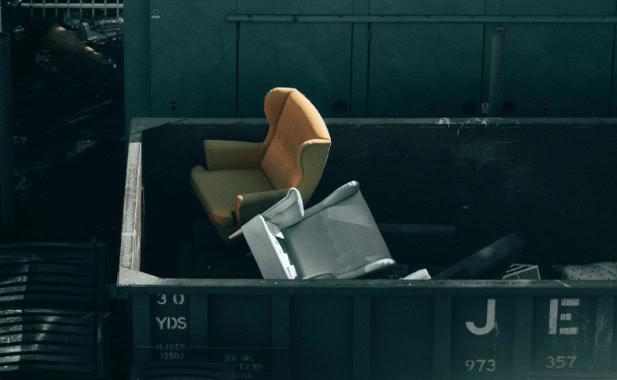
A roll-off dumpster is a large, open-top steel container designed to handle the kind of waste that standard trash pickup simply cannot accommodate.
They get their name from the way they are delivered. A specialized truck rolls the container off the back and onto your property using a hydraulic system. A roll off dumpster rental includes delivery, a set rental period, and pickup when the job is done.
Roll-off dumpsters typically range in size from 10 to 40 cubic yards. That range makes them suitable for everything from a single-room cleanout to a full residential demolition.
They are used for a wide variety of residential projects, including remodels, roof tear-offs, landscaping overhauls, and estate cleanouts. If your project generates more waste than a few trash bags can handle, a dumpster rental in Chicago is worth considering.
Chicago homeowners also use them for storm damage cleanup, moving prep, and large yard projects. Any project that generates bulky or heavy debris is a good candidate for a rental.
Exploring The Benefits of Roll Off Dumpsters for Chicago Homeowners
Chicago’s curbside pickup program has strict limits on bulk waste. Large items, construction debris, and heavy materials are generally not accepted. Renting a dumpster gives homeowners a single, convenient solution that handles what curbside pickup cannot.
For most projects, renting a container is more cost-effective than hauling debris yourself. Multiple trips to a city drop-off site quickly add up when you factor in fuel, vehicle wear, and time.
Chicago’s older housing stock, including bungalows, greystones, and vintage two-flats, often produces dense and heavy debris during renovation work. A roll-off dumpster keeps that material contained on site, reduces trip hazards, and makes the job safer and more organized from start to finish.
This is especially helpful in tight city spaces, where narrow driveways, shared alleys, and limited storage leave little room for loose debris.
Dumpster rentals are also a more environmentally responsible choice. Reputable providers sort and divert recyclable materials from landfills. For homeowners who want their project waste handled responsibly, this is often the better approach.
What Is the Dumpster Rental Process Like?
Many homeowners hesitate to rent a dumpster because they are unsure what the process involves. In reality, it is one of the simplest parts of a home project.
When you book, your provider will ask about your project type, estimated debris volume, and preferred placement location. The more detail you provide upfront, the smoother the delivery will be.
On delivery day, a specialized truck arrives and places the dumpster in your designated spot. When your rental period ends, the process works in reverse. The truck returns, loads the container, and hauls it away. In most cases, you do not need to be home for either step.
Before delivery, clear the placement area of vehicles and equipment. Your provider can also help with preparation, such as placing boards to protect your driveway. A quick conversation ahead of time helps everything go smoothly.
What You Can and Can’t Throw Away
Most household and renovation debris can go into your rented dumpster, including materials from remodels, cleanouts, damage repair, landscaping, and many other home projects.
- Construction and Renovation Debris: Drywall, lumber, flooring, tile, cabinets, fixtures and roofing materials are all generally accepted.
- Yard and Landscaping Waste: Branches, sod, dirt, fencing materials and deck lumber can typically be tossed in without issue.
- Household Junk and Furniture: Furniture, boxes and general accumulated junk from cleanouts are all fair game.
However, if you’re renting a dumpster near me, it’s important to know there are several categories of materials you can’t put in it.
- Hazardous Materials: Paint, solvents, chemicals, asbestos and fuel containers require separate disposal.
- Electronics and Appliances with Refrigerants: TVs, computers and appliances containing refrigerant lines must be handled by certified recyclers.
- Tires, Batteries and Medical Waste: These items are prohibited from standard dumpsters and require designated disposal facilities.
Loading prohibited items into a dumpster rental can result in your pickup being refused, additional fees and potential fines under Chicago waste disposal regulations. When in doubt, check with your provider before tossing. Just a quick call can save you a costly headache down the road.
How to Choose the Best Residential Dumpster Rentals in Chicago
Choosing the right dumpster depends on a few key factors.
Heavy materials like concrete, brick, and asphalt require a smaller container, typically a 10-yard unit. Dense debris can exceed weight limits even if the container is not full.
Next, consider the total volume of debris. A bathroom remodel or garage cleanout may fit in a 10 or 15-yard unit, while a full renovation or roof project will likely need a 20-yard container or larger.
Space is another important factor. Many Chicago homes have narrow driveways or tight lot lines. For most residential properties, a 20-yard container is the practical upper limit, since larger units often do not fit comfortably.
Discussing your project with your provider helps ensure you choose the right size. Making the right choice upfront can also help lower the total costs of your home project.

Dumpster Permits in Chicago Explained
If you rent a dumpster in Chicago, you’ll most likely need a permit to place it on public property, such as streets, alleys, or sidewalks (even partially). Permits are issued through the City of Chicago’s Inspections, Permitting and Licensing web portal. They’re available for three-day or 30-day terms.
If you’re placing your dumpster rental entirely on private property, such as a driveway or yard, typically no permit is required. That distinction makes people choose driveway placement over other options when it’s available for residential projects.
For homeowners who need street placement, factoring in the permit timeline before booking your dumpster rental is extremely important. Processing times can vary, and delays in securing a permit can push back your delivery date. Your rental company can help you determine what you need and when you need it, keeping dumpster rentals simple and hassle free.
The Right Tool for the Job
Every home project comes down to planning and execution, and cleanup is a bigger part of that process than most people expect. Having the right system in place can make the difference between a project that feels manageable and one that quickly becomes overwhelming.
For Chicago homeowners, a roll-off dumpster is not just a convenience. It is a practical tool that helps keep job sites organized, reduces downtime, and allows work to move forward without unnecessary interruptions.
Before your next project, take a moment to think through how you will handle debris. Choosing the right approach early can save time, reduce stress, and help you focus on the part of the project that matters most, improving your home.