Not every home improvement delivers the same return. Some projects are mostly about making a house more comfortable or better suited to your family, while others can also improve curb appeal, energy performance, and resale value.
Exterior projects often do a little of both. Windows, doors, and siding are among the first things people notice about a home, but they also have practical jobs to do. They help protect the structure from the weather, influence how comfortable the interior feels, and can affect heating and cooling costs.
If you’re deciding where to put your exterior renovation budget, windows, entry doors, and siding are three upgrades worth considering. Which one deserves attention first usually comes down to something fairly simple: the condition of your home and the problems you’re trying to solve.
Image by pressmaster on Magnific
What the data says about exterior upgrade returns
The annual Cost vs. Value report published by Remodeling Magazine compares the cost of common remodeling projects with the value they may retain at resale. Exterior projects frequently perform well in these comparisons, although the actual return varies considerably by project type, location, material choices, and market conditions.
It’s not difficult to see why exterior projects can hold their value. They can change a buyer’s first impression before they even walk through the front door. At the same time, upgrades may address practical concerns such as weather resistance, security, maintenance, and energy efficiency.
Resale value shouldn’t be the only reason to replace something that’s still performing well. But if windows, doors, or siding are already approaching the end of their useful life, resale becomes one more factor to consider alongside the problems the project will solve while you’re still living in the house.
Windows: energy performance and a visible upgrade
Window replacement can make a noticeable difference to both the appearance and performance of an older home. Drafty windows, failed seals, deteriorated frames, or older glazing can contribute to unwanted heat loss in winter and heat gain during warmer months.
Modern replacement windows may include features such as low-E coatings, insulated glass units, gas fills, and improved frame construction. How much energy a homeowner actually saves depends on the condition of the existing windows, local climate, installation quality, energy prices, and the replacement products chosen.
Then there’s the way they look. Fogged glass, cracked or deteriorating frames, and dated window styles can make an otherwise well-maintained exterior look tired. New windows can clean up the facade while still respecting the home’s original architectural character.
Before replacing every window simply for efficiency, however, look at their actual condition. Some older windows may be repairable, particularly in historic homes where preserving original materials and proportions can be important.
Entry doors: a small project with a visible impact
Few exterior projects are as immediately noticeable as replacing the front door. It’s a relatively concentrated area of the facade, but it’s also where guests enter and where color, hardware, lighting, security, and architectural style all come together.
Steel and fiberglass are popular replacement-door materials because they generally require relatively little maintenance and can offer good insulation and weather resistance. Fiberglass doors are also available in finishes designed to resemble natural wood.
That doesn’t automatically make wood the wrong choice. Wood remains a worthwhile option for homeowners who value its appearance, customization potential, or suitability for a particular architectural style, although it can require more maintenance depending on exposure and climate.
Whatever material you choose, installation matters. Even a high-quality door can perform poorly if the opening isn’t properly sealed, adjusted, and protected from water intrusion.
Siding: protection with a major visual impact
Replacing siding is a much larger undertaking, but it can dramatically change the appearance of a house while addressing deterioration or moisture concerns at the same time.
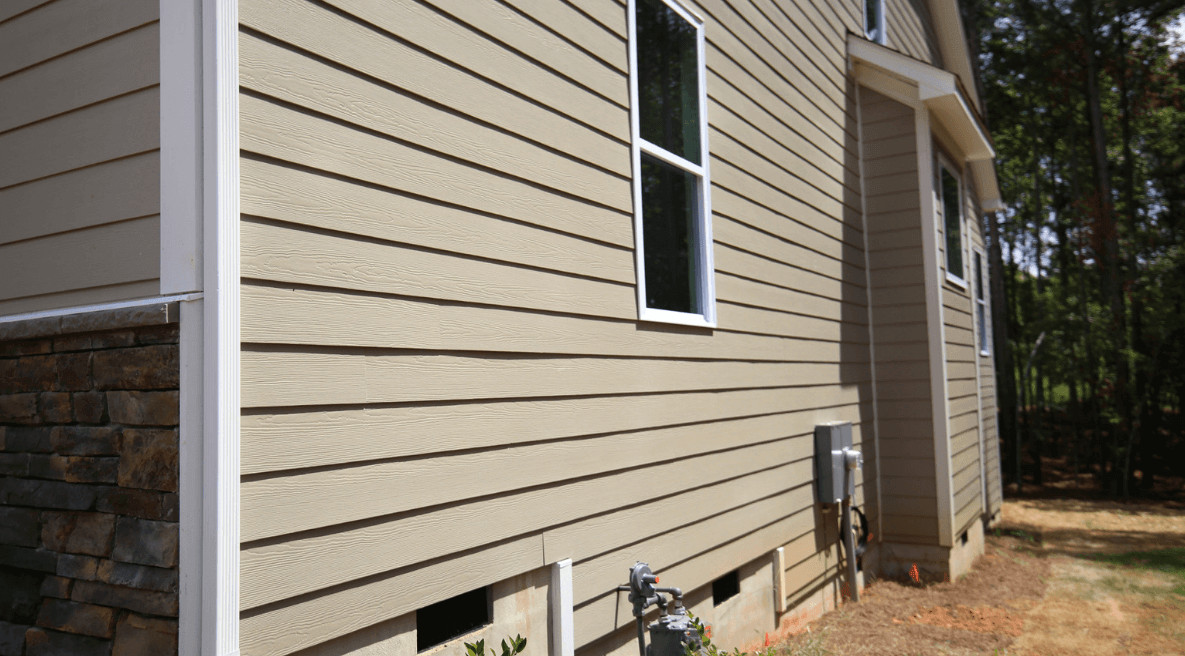
Fiber-cement is one popular option because it resists rot and insect damage and is available in profiles that mimic traditional lap siding, shingles, and smooth panels. It’s far from the only choice, though. Vinyl, engineered wood, natural wood, and metal each have advantages worth considering based on the house, local weather, maintenance needs, and budget.
The condition underneath the existing siding is just as important as the new material. Removing old siding can expose damaged sheathing, inadequate flashing, or moisture problems that need to be corrected before the new exterior goes on.
This is also why siding replacement shouldn’t be treated as a cosmetic job alone. Proper flashing, drainage, weather barriers, and transitions around windows and doors all contribute to how well the finished exterior protects the house.
Choosing a contractor for exterior work
The quality of the installation can matter just as much as the quality of the product. Windows and doors that aren’t properly sealed and flashed can allow air or moisture into the building envelope. Siding installation also requires careful moisture management, especially around windows, doors, rooflines, and other penetrations.
Look for contractors with experience installing the specific type of window, door, or siding you’re considering. Ask practical questions about how they handle flashing and water management, what their installation warranty actually covers, and whether they can show you a few recent projects similar to yours.
In the Chicagoland area, companies such as Evergreen Door & Window are one example of contractors specializing in exterior window and door projects. Homeowners elsewhere can take the same approach: compare qualified contractors, look at recent work and references, and check the licensing and insurance requirements that apply locally.
A contractor should also be willing to explain what’s happening behind the finished surface. How a window is flashed or how water drains behind siding isn’t as exciting as choosing a door color, but those details can determine how well the project performs years later.
Sequencing the investment
If you’re planning several exterior upgrades, you don’t necessarily have to tackle everything at once. Start with the areas showing the clearest signs of failure or deterioration.
Windows with failed seals, water intrusion, badly deteriorated frames, or persistent drafts may deserve attention before purely cosmetic improvements. A damaged or poorly sealing exterior door may be another early priority. Siding that remains structurally sound but simply looks dated may be able to wait.
There are times when it makes sense to coordinate projects. If the windows and siding are both nearing replacement, for example, doing the work together can simplify flashing and transitions between materials. It also prevents the frustrating situation of having to disturb recently completed work when you tackle the next project a year or two later.
Don’t choose an exterior project just because a national report gives it an impressive return. Look at your own house first. A leaking window, deteriorating siding, or poorly sealing front door is giving you a much better clue about where the money should go. Fix what needs attention, use materials that make sense for the house and local climate, and pay close attention to installation. A project that protects the home and solves an existing problem has value whether you sell next year or stay for another decade.