Have you ever looked at a peeling porch railing or cracked siding and thought, “How hard could a full exterior renovation project really be?” That question has launched thousands of ambitious projects and more than a few neighborhood arguments. Exterior renovations now sit at the crossroads of rising home values, climate anxiety, and social media pressure.
Homeowners are not just fixing houses anymore. They are building storm defenses, lowering energy bills, and trying to keep up with a housing market where one ugly facade can knock thousands off a selling price. The stakes feel strangely high for something that starts with a ladder and a hardware store receipt.
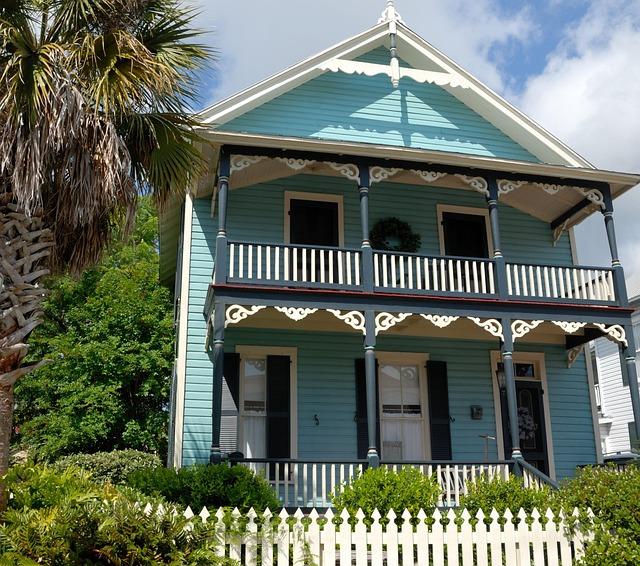
The Budget Always Expands
Most people begin with a clean spreadsheet and optimistic math. Then reality arrives wearing work boots. Lumber prices still swing wildly because global shipping remains unstable, and labor shortages continue across the construction industry. A project that looked manageable in January can suddenly cost twenty percent more by summer.
The smartest homeowners build a “surprise fund” before touching the first brick or board. Contractors often uncover water damage, bad wiring, or rotting framing once old materials come off. Those hidden problems are like finding mold in leftovers after you already invited guests over for dinner. Nobody enjoys the discovery, but ignoring it only makes the final mess more expensive.
The Weather is Less Predictable
Planning an exterior renovation used to mean checking the local forecast and hoping for a dry week. Now, entire schedules shift because storms arrive earlier, summers run hotter, and heavy rain floods work sites that stayed dry for decades. Climate change stopped being an abstract debate once homeowners started watching scaffolding blow into hedges.
Before hiring a roofing company, ask how they handle weather delays, material protection, and emergency tarping. Those questions matter more than flashy online reviews. Contractors who work in hurricane-prone or wildfire-prone regions often have better systems because they operate under constant pressure.
A cheap bid may look attractive until rainwater leaks through unfinished roofing and into a newly remodeled kitchen. Nothing destroys renovation excitement faster than paying twice for the same repair.
Permits Are the New Waiting Game
Many cities now treat exterior renovations with the seriousness once reserved for major commercial work. Local governments have tightened codes around drainage, energy use, and storm resistance, especially after repeated climate disasters across the United States. Even replacing windows can involve inspections that drag on for weeks.
This shift frustrates homeowners, but it exists for a reason. Houses built decades ago often fail modern safety standards. Municipalities learned painful lessons from floods, fires, and collapsing structures.
The permit office may feel like a bureaucratic maze designed by someone who enjoys paperwork a little too much, yet skipping permits can create nightmare problems during resale. Buyers increasingly demand proof that renovations followed legal code, and lenders pay attention to missing documentation.
Materials Are Tied to Global Supply Chains
Exterior renovations now depend on international events in surprising ways. Tariffs, shipping delays, labor strikes, and fuel costs all affect the price of siding, stone, roofing shingles, and windows. A conflict halfway around the world can suddenly delay a suburban deck project in Ohio.
Homeowners should order critical materials early and confirm availability in writing. Some contractors still quote products that are backordered for months. Flexibility helps because substitute materials may become necessary midway through the project.
The pandemic permanently changed expectations around delivery schedules, yet many people still assume every item sits neatly stocked in a warehouse waiting for pickup. Construction today operates more like a complicated domino chain where one missing shipment slows everything else down.
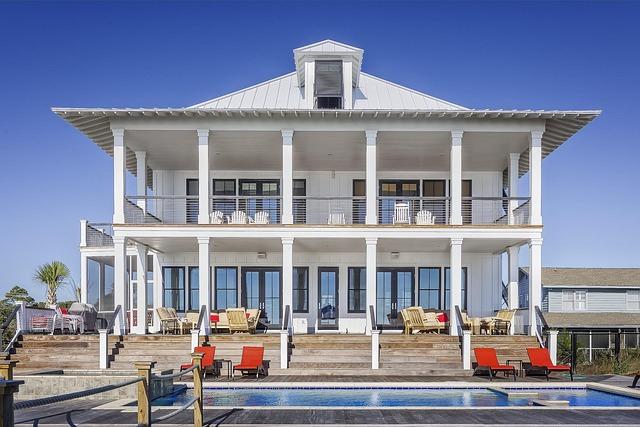
Neighbors Become Stakeholders
Exterior renovations are public by nature. Unlike an interior bathroom remodel, the entire street watches the process unfold day after day. Noise, dumpsters, blocked driveways, and portable toilets create tension quickly. In tightly packed neighborhoods, one renovation can feel like a community event nobody volunteered to attend.
Good communication reduces conflict dramatically. Let neighbors know the timeline, expected noise levels, and work hours before demolition begins. Small gestures matter more than people expect. A simple heads-up about concrete trucks arriving early can prevent resentment from building.
Neighborhood disputes during renovations often start over tiny inconveniences that snowball into passive-aggressive warfare involving parking spaces, fence lines, and suspiciously loud leaf blowers at seven in the morning.
Energy Rules Keep Changing
Energy efficiency has become one of the biggest forces shaping exterior renovations. Federal tax credits, state rebate programs, and stricter efficiency standards now influence choices about insulation, windows, roofing, and siding. Homeowners who ignore these updates may accidentally spend more for products that perform worse.
Modern exterior upgrades should improve both durability and efficiency together. Better insulation behind siding lowers heating and cooling costs, while reflective roofing materials reduce indoor temperatures during brutal summers.
Rising utility bills have pushed energy savings from a “nice bonus” into a serious financial concern. In many states, utility costs climb faster than wages, making smart renovations feel less like luxury projects and more like economic survival strategies.
The Best Exterior Renovation Project Respects the House
Successful renovations improve a home without fighting against it. When updating windows, doors, and siding, older houses especially contain clues about what works structurally and visually. Covering everything with fashionable materials may erase the character that made the property appealing in the first place.
Contractors who rush through projects often treat homes like interchangeable boxes. Skilled renovators study drainage patterns, sunlight exposure, ventilation, and architectural details before making major changes. That approach protects long-term value and reduces maintenance headaches later.
Exterior renovations should solve problems, not create new ones hidden behind fresh paint and polished stone. A beautiful result matters, but a durable result matters more. Nobody posts glamorous photos of proper waterproofing online, yet those invisible details usually determine whether the renovation still looks good ten years later or starts peeling apart after the second harsh winter.