A living room is where homework happens, pets sprawl out after a long walk, friends gather for game night, and movie marathons stretch late into the evening. For many households, it’s the busiest space in the home.
Designing a family-proof living room means making smart material choices from the start, selecting fabrics, finishes, and construction details that can handle daily wear without constant worry. When durability, washability, and long-term reliability guide your decisions, your living room becomes easier to live in and maintain.
Here’s how to choose materials that truly stand up to real life.

Image from Soulfa
Start With Upholstery That Can Take a Beating
Sofas and sectionals tend to take the most wear and tear in any living room. They’re climbed on, napped on, and occasionally treated as snack stations. Finding the perfect sofa means looking beyond style and choosing upholstery that can handle spills, friction, and everyday use. Otherwise, the entire space can quickly show its age.
Performance fabrics are one of the most practical upgrades homeowners can make. These textiles are designed to resist stains, repel moisture, and withstand repeated use. Many are tightly woven to reduce snagging from pet claws and are engineered to maintain their color even after cleaning.
Washable upholstery covers add another layer of practicality. Being able to remove and clean fabric, rather than relying solely on spot treatments, makes a noticeable difference in households with children or pets. It’s a straightforward way to extend the life of your seating and reduce the stress that comes with inevitable messes.
What’s beneath the fabric is equally important. Look for kiln-dried hardwood frames rather than softwood or particleboard. A strong internal structure prevents sagging and ensures the sofa maintains its shape over time. Durable construction paired with easy-care fabric creates a foundation you can trust for years.
Invest in Modular Seating That Adapts Over Time
Family life changes, kids grow, pets arrive, and entertaining needs shift. A living room layout that works today may not fit tomorrow’s routine.
Modular sectionals offer flexibility that traditional sofas often lack. Individual seating components can be rearranged to suit a movie night, expanded for guests, or separated to create multiple seating zones. This adaptability extends the useful life of the furniture because you can reconfigure it.
Some manufacturers are pairing modular design with performance materials and long-term warranties. For example, with Soulfa sofas, you can find modular sectional seating built with washable performance fabrics and supported by a 20-year warranty. Soulfa designs focus on durability and non-toxic materials, aligning with the priorities many families consider when investing in core living room pieces.
A strong warranty signals confidence in construction. When a manufacturer stands behind its product for decades, it suggests attention to frame integrity, cushion resilience, and fabric performance. For busy households, that long-term assurance matters as much as day-to-day comfort.
Choose Non-Toxic Materials for a Healthier Home
Durability matters, but so does what your furniture is made from. Many homeowners are paying closer attention to indoor air quality and the materials used in upholstered pieces.
Foams, adhesives, and finishes can contribute to off-gassing, which may affect air quality in enclosed spaces. Choosing furniture made with non-toxic materials and low-emission components helps reduce that concern.
Natural fiber blends, responsibly sourced wood frames, and transparent manufacturing standards are indicators worth considering. While no single material solves every issue, prioritizing healthier construction choices supports a more comfortable indoor environment.
Select Hardwearing Flooring and Rug Layers
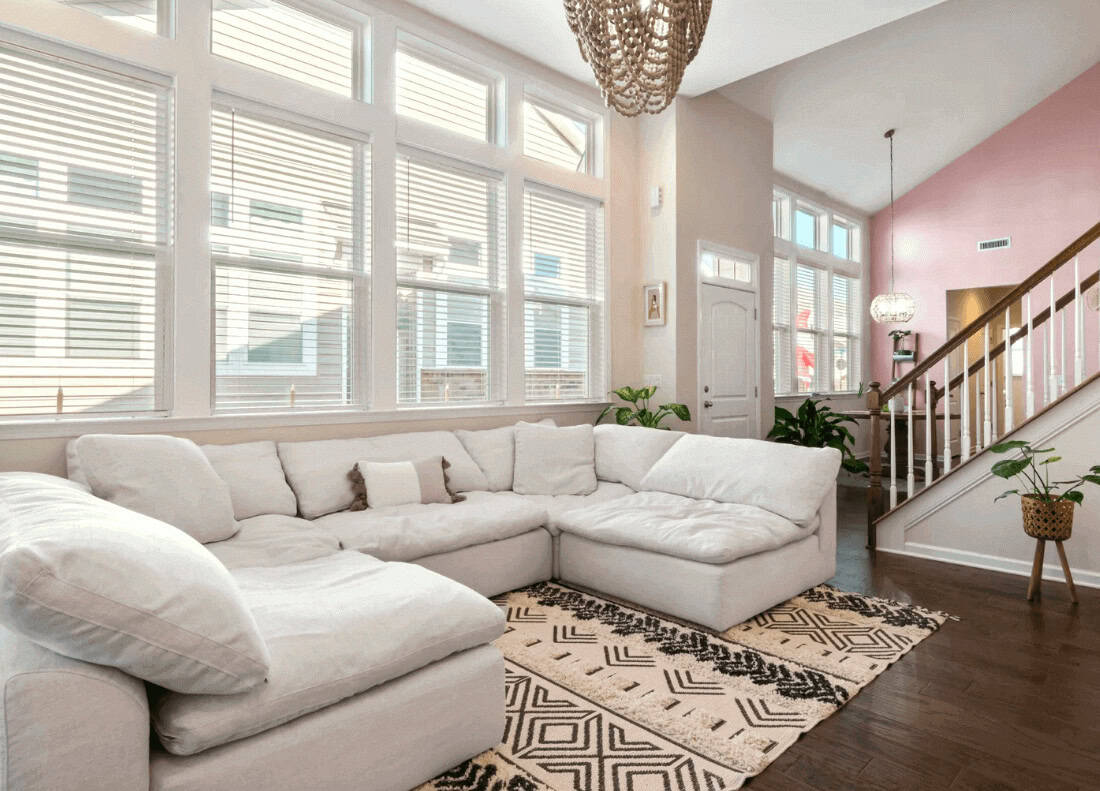
Even the most resilient sofa won’t carry a living room if the flooring shows wear after a few months. Family-proof design requires a holistic approach.
Hardwood remains a popular choice, but not all wood species perform equally. Harder woods resist dents more effectively, making them better suited for homes with active children or pets. Luxury vinyl plank and high-quality laminate flooring have gained popularity for their scratch resistance and easy maintenance. These materials often handle spills better than traditional hardwood, making them practical in multi-use spaces.
Area rugs introduce comfort and define seating zones, but material choice is critical. Low-pile rugs are easier to clean and less likely to trap debris. Synthetic blends often resist stains more effectively than delicate natural fibers. In high-traffic zones, durability should guide your selection over purely aesthetic considerations.
Layer a washable rug over a protective rug pad to further extend the life of your floors and simplify maintenance.
Prioritize Finishes That Hide Wear
Small design decisions can make a noticeable difference in how well a room ages. Matte and satin finishes on coffee tables and media consoles tend to disguise fingerprints and minor scratches better than high-gloss surfaces. Textured wood grains and subtle patterns can also help camouflage everyday wear.
For painted cabinetry or built-ins, choosing scrubbable paint formulas makes cleaning less risky. In homes where walls double as art galleries and play spaces, wipeable finishes reduce long-term maintenance.
Hardware matters, too. Solid metal pulls and handles hold up better than lightweight alternatives. When selecting accent tables or shelving, look for reinforced joints and stable construction that won’t wobble under regular use.
Create a Maintenance Plan That Protects Your Investment
Even the most resilient materials benefit from regular care. Family-proof design doesn’t eliminate maintenance; it makes it more manageable.
Establish simple cleaning routines. Vacuum upholstery and rugs weekly to prevent dirt from settling into fibers. Address spills promptly, even on stain-resistant fabrics. Rotate cushions periodically to distribute wear evenly.
If you’ve invested in modular seating, experiment with layout changes to prevent concentrated wear on specific sections. Occasional repositioning of pieces can extend the lifespan of high-use areas.
Finally, keep manufacturer care instructions accessible. Following recommended cleaning methods preserves warranties and prevents accidental damage from harsh chemicals. A proactive approach ensures that durable materials continue to perform as intended.
Final Thoughts: Designing for Real Life Without Compromise
A family-proof living room is built on thoughtful choices. Washable performance fabrics reduce daily stress, and non-toxic materials contribute to a healthier indoor environment. Moreover, modular seating adapts as your household evolves, while hardwearing floors and practical finishes keep the entire space looking composed.
When durability, comfort, and flexibility guide your decisions, your living room becomes a space that truly supports everyday life. By prioritizing materials that stand up to real use, you can create rooms that feel welcoming today and remain reliable for years to come.