Raising kids who can figure things out with their own hands is always a rewarding experience. Be it building a birdhouse, baking bread, or learning to balance a simple budget, hands-on experiences leave an impression that no worksheet can ever replicate. For families who want their kids to grow into capable, curious adults, creating a dedicated, practical space for learning is one of the best investments you can make.
A family workshop doesn’t have to be a fully equipped garage studio or an expensive renovation project. At its core, it’s simply an intentional environment where kids are invited to try, fail, tinker, and build, with the support of the adults around them.
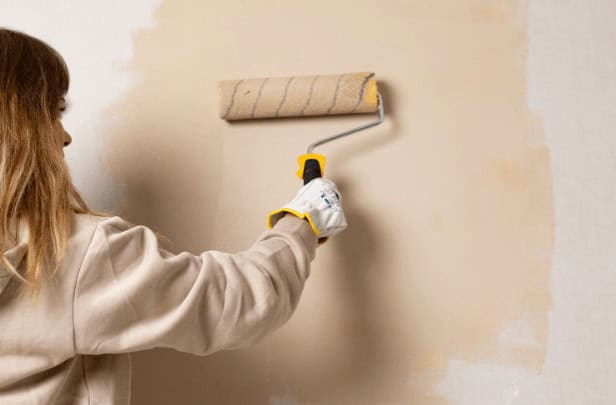
Image by Gianluca Pantaleo on Canva
Start With the Right Mindset
Before you buy a single supply or rearrange a single shelf, the most important thing to establish is the attitude your family brings to the space. A workshop culture is one where mistakes are expected, messes are manageable, and effort matters more than outcomes.
This means letting your eight-year-old attempt to wire a simple circuit, even if it takes four tries. It means letting your teenager plan a small woodworking project from scratch instead of following a kit. The goal is the thinking and problem-solving that happens along the way.
When kids understand that the workshop is a space for experimentation, they become more willing to take on challenges they aren’t sure they can handle. That confidence carries well beyond the workbench.
Designing the Physical Space
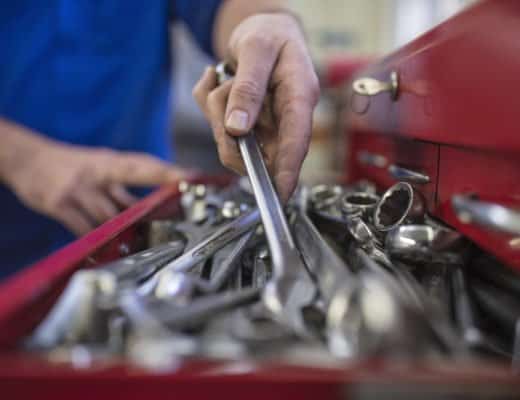
You don’t need a lot of room. A corner of the garage, a folding table in the basement, or a dedicated shelf unit in a spare room can all serve as the foundation of a functional workshop. What matters more than square footage is organization and accessibility.
Keep tools and materials at a height kids can reach. Label bins and drawers clearly so children can find and return what they need without adult supervision. A pegboard on the wall is one of the most practical investments you can make: it keeps tools visible, reduces clutter, and teaches kids that part of the craft is caring for your equipment.
For younger children, start with low-risk materials: cardboard, craft foam, simple hand tools, and non-toxic adhesives. As they grow in skill and maturity, you can add more materials. The physical environment should signal that this is their space, not just a place where adults occasionally let them help.
Connecting Hands-On Work to Real Ideas
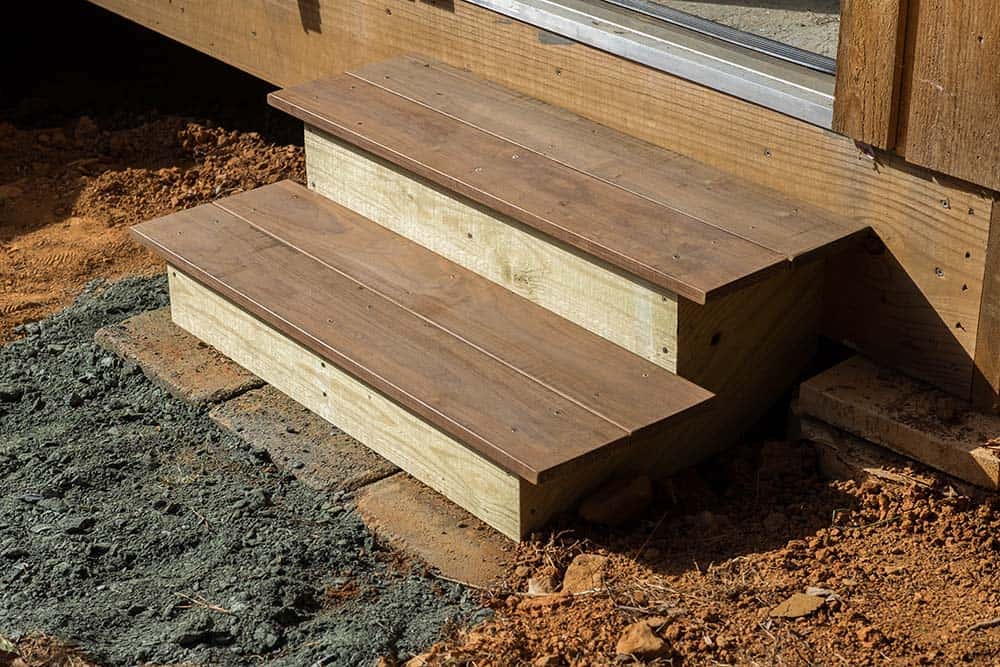
A workshop becomes truly educational when it bridges the physical and the conceptual. Building a small raised garden bed is a carpentry project, but also a lesson in measurement, planning, biology, and patience. Cooking from scratch introduces fractions, chemistry, and sequencing.
This is where intentional curriculum or resource support can make a difference. Families who use The Tuttle Twins homeschool hub, for example, often find it easier to connect project-based learning to broader ideas in economics, civics, and entrepreneurship, giving kids a framework for why their hands-on work matters in the real world.
When a child builds something and then understands the economic principles behind why people trade, create, and collaborate, the workshop becomes a launching pad for genuine critical thinking.

Projects That Grow With Your Child
One of the best features of a family workshop is its scalability. The same space that serves a six-year-old learning to use scissors safely can serve a sixteen-year-old learning basic electronics or home repair.
Here are some project categories worth rotating through at different ages:
- Elementary years: Simple woodworking (birdhouses, picture frames), basic sewing, cooking and baking, gardening, and simple circuits with battery-powered kits.
- Middle school years: More complex builds (furniture, garden structures), sewing projects with patterns, introductory coding and robotics, basic home repairs alongside a parent.
- High school years: Independent project planning, budgeting for materials, entrepreneurial projects like selling crafts or produce, and learning trades like basic plumbing or electrical work under supervision.
The Tuttle Twins curriculum pairs particularly well with the entrepreneurship and economics angle of these older projects, helping teens connect their creative work to real-world concepts like supply, demand, and value creation.
Making It a Family Ritual
The most successful family workshops are the ones where learning together is a regular, expected part of family life. Set aside dedicated workshop time each week, even if it’s just an hour on Saturday mornings. Rotate who picks the project. Let kids lead sessions where they teach a skill they’ve learned.
When parents work alongside children rather than simply supervising them, the dynamic changes. Kids observe how adults approach problems they don’t immediately know how to solve. They see that competence is built over time, not handed out automatically.
Building a family workshop is ultimately about building a family culture, one where curiosity is practiced, and learning isn’t confined to a desk or a screen. The tools and projects will change over the years, but the habits of thinking and doing that form in that space will last a lifetime. Start small, stay consistent, and let the work itself do the teaching.