The last thing you want on a freezing winter morning is a furnace that won’t start. Before calling an HVAC technician, though, there are a few things worth checking. Sometimes the problem is as simple as a thermostat setting or a dirty filter. Other times, especially when electrical or gas components are involved, it’s best to leave the repair to a professional.
Whether you live in the northern United States or somewhere in Canada, knowing which home heating problems you can handle yourself can save you time and money. Here’s what to check, what maintenance you can safely tackle, and when it’s worth bringing in an HVAC technician.
1. Check the Basics Before Calling for Heating Repairs
If your heating system stops working, don’t immediately assume something major has failed. A few simple checks may help you identify the problem without scheduling a service visit.
Start with your thermostat. Make sure it’s set to heating mode and that the desired temperature is higher than the current room temperature. If your thermostat uses batteries, replace them if the display is blank or unresponsive.
Next, check your circuit breaker. A tripped breaker can interrupt power to the heating system. If it trips again after being reset once, leave it off and contact a professional rather than repeatedly resetting it.
You should also check whether furniture, rugs, or other household items are blocking supply or return vents. Restricted airflow can make some rooms uncomfortable and interfere with heating performance.
If the thermostat, breaker, and vents all check out but the heat still isn’t working, it’s time to call an HVAC technician. Look for someone who can diagnose the problem rather than immediately recommend replacing the equipment.
It’s also worth checking which services a contractor provides before booking an appointment. For example, Canadian homeowners researching Provincial Heating and Cooling can view more about its heating services, including options for installation, repairs, and maintenance.
2. Know Which Heating Problems You Can Prevent or Handle Yourself
Start with the air filter. It’s one of the easiest things to overlook, especially if your furnace is tucked away in a basement or utility closet. A clogged filter can restrict airflow and make the system work harder than it should.
Check the filter regularly and follow the manufacturer’s recommendations for replacement.
Other simple tasks include:
- Keeping supply and return vents clear of furniture and household clutter.
- Vacuuming accessible vent covers to remove accumulated dust.
- Checking that the thermostat responds when you adjust the temperature.
- Keeping the area around indoor heating equipment free of stored items.
- Clearing leaves, snow, and debris from outdoor heat pump units without damaging their components.
These tasks don’t replace professional maintenance, but they can help keep the system operating properly between service appointments.
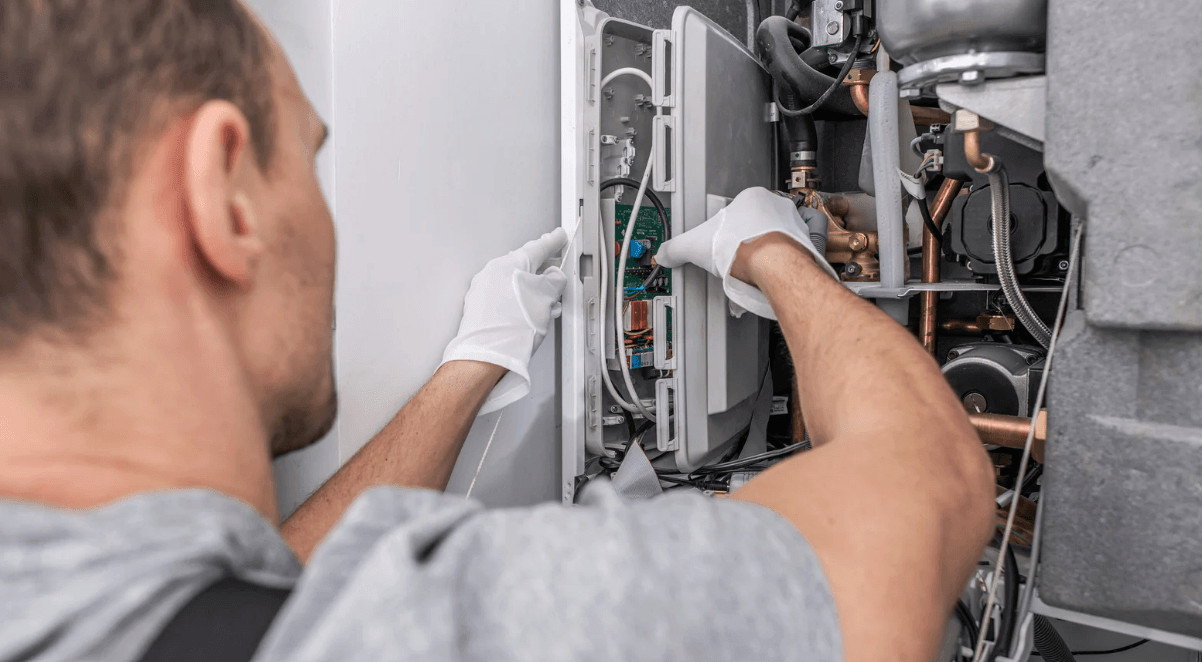
Avoid removing equipment panels or attempting repairs involving electrical wiring, refrigerant, gas lines, or internal mechanical components. Those jobs require appropriate training and equipment.
In practice, repairs that belong with a licensed technician include a cracked heat exchanger, a faulty gas valve, a failing blower or inducer motor, and heat pump refrigerant leaks. These parts affect combustion, airflow, or refrigerant handling, so a mistake can create a safety risk or turn a small repair into a bigger one.
3. Home Heating Problems That Need a Professional Repair
Furnaces usually give you some warning before they quit. Maybe the blower starts rattling, the upstairs bedrooms stay cold, or the system keeps switching on and off. Those changes are worth paying attention to, even if the house still feels reasonably warm.
Unusual banging, grinding, or squealing noises may indicate loose or worn components. Weak airflow can point to a clogged filter, ductwork restrictions, or a blower problem. If your furnace runs but produces little heat, the issue could involve several components that require professional diagnosis.
Unexplained increases in heating bills may also justify an inspection, particularly when your thermostat settings and household routines haven’t changed.
Ignition problems are another common reason a furnace won’t produce heat. If you hear the furnace start up but no heat follows, or a pilot light keeps going out, the cause could be a dirty or failing igniter, a gas supply issue, or a faulty control component. Only relight a pilot if your manufacturer’s instructions say it’s safe to do so, and if it goes out again or you’re unsure, stop and call a technician.
Gas furnaces require additional caution. If you smell gas, leave the building immediately and contact your gas utility or emergency services from a safe location. Don’t attempt to locate or repair the leak yourself.
Likewise, if a carbon monoxide alarm sounds, follow the alarm’s emergency instructions, get everyone into fresh air, and contact emergency services.
For less urgent problems, arranging a professional inspection before the system fails completely may help prevent further damage.
4. Schedule Heating Maintenance Before Winter Arrives
Don’t wait until the first cold snap to find out your furnace needs work. Scheduling an inspection in early fall gives you time to deal with worn parts or performance problems before you’re relying on the system every day.
During a maintenance visit, an HVAC technician may inspect electrical connections, test system controls, check airflow, and examine components for wear or damage. The specific work depends on whether your home uses a gas furnace, electric furnace, boiler, or heat pump.
For fuel-burning systems, technicians may also inspect combustion-related components and venting to identify potential safety concerns.
Before the appointment, make a note of anything unusual you’ve noticed. Maybe the furnace takes longer to warm the house, makes a noise when it starts, or leaves one room noticeably colder than the others. These details can help the technician narrow down the problem.
In colder parts of the United States and Canada, arranging maintenance in early fall can also help you avoid the rush for service during the first major cold spell.
5. Improve Heating Efficiency Without Replacing Your Entire System
Before spending thousands on a new furnace, take a look at where your home might be losing heat. Drafty windows, worn door seals, and poor attic insulation can make even a well-maintained heating system work overtime.
Start by looking for drafts around windows and exterior doors. Worn weatherstripping and small gaps can allow cold air to enter, making your heating system run longer to maintain a comfortable temperature.
Adding weatherstripping or sealing appropriate gaps with caulk is a manageable DIY project for many homeowners. Just be careful not to block ventilation openings or interfere with the combustion air requirements of fuel-burning appliances.
Insulation also matters. An underinsulated attic can allow substantial heat to escape during winter. Before adding insulation, check for moisture problems, air leaks, and ventilation requirements that may need attention.
Thermostat settings can make a difference, too. A programmable or smart thermostat can help reduce unnecessary heating when you’re asleep or away from home, provided the settings are appropriate for your heating system.
For homes with heat pumps, large temperature setbacks aren’t alw