New Orleans does not offer HVAC systems much of a break. Between the relentless summer heat, near-constant humidity, coastal salt air, and a cooling season that stretches well beyond what most of the country experiences, residential systems here work harder and longer than almost anywhere else in the South.
That sustained strain is exactly why HVAC maintenance cannot be treated as an annual checkbox. Regular preventive maintenance protects more than just comfort. It preserves energy efficiency, supports healthy indoor air quality, extends HVAC system lifespan, and keeps energy bills from quietly climbing throughout the year. A system that is not routinely checked is far more likely to develop airflow restrictions, accumulate biological growth in humid conditions, or fail entirely during the peak of a Louisiana summer.
This article walks through what homeowners can realistically manage on their own and what genuinely requires a trained technician. Knowing the difference is not just a matter of convenience. In a climate as demanding as New Orleans, it is a matter of protecting a significant home investment.
Why Year-Round HVAC Care Matters in New Orleans
New Orleans sits in a climate category of its own. The heat arrives early, lingers late, and rarely lets up in between. Add persistent humidity, salt air from the coast, and a cooling season that can run eight months or longer, and the result is an HVAC system that never truly gets to rest.
Year-round maintenance addresses AC problems directly. Consistent preventive maintenance protects energy efficiency, keeps indoor air quality at a livable standard, and extends HVAC system lifespan in ways that a single annual visit simply cannot match. Without it, airflow problems develop gradually, energy bills creep upward, and the risk of a mid-season breakdown grows with every skipped check.
The sections that follow draw a clear line between what homeowners can handle themselves and what belongs to a licensed HVAC technician. Both sides of that line matter, and understanding where one ends and the other begins is the foundation of smart, cost-effective maintenance in this climate.
What Homeowners Should Check Through the Year
Keeping up with HVAC maintenance does not have to be complicated. Most of what protects a system day to day comes down to a handful of consistent habits that any homeowner can manage without special tools or technical knowledge.
Monthly Checks That Prevent Common Breakdowns
The single most impactful DIY maintenance task is changing the air filter on a regular schedule. In New Orleans homes, where systems run heavily and humidity is high, filters clog faster than manufacturers’ standard estimates suggest. A clogged filter restricts airflow, forces the system to work harder, and degrades indoor air quality at the same time.
Homeowners should also verify that supply and return vents stay clear of furniture, rugs, and clutter. Blocked vents create uneven pressure throughout the home and make the system compensate in ways that increase wear over time.
The condensate drain line deserves attention, too. In humid climates, this line clogs with algae and debris more frequently than in drier regions. A blocked line can back up and cause water damage before anyone notices something is wrong. Pouring a small amount of diluted bleach down the drain monthly is a widely recommended preventive step.
Checking thermostat settings and confirming the system is running as expected rounds out the monthly routine. Inconsistent airflow or unexpected temperature swings are early signals worth noting.
Seasonal Checks Before Heavy Weather Hits
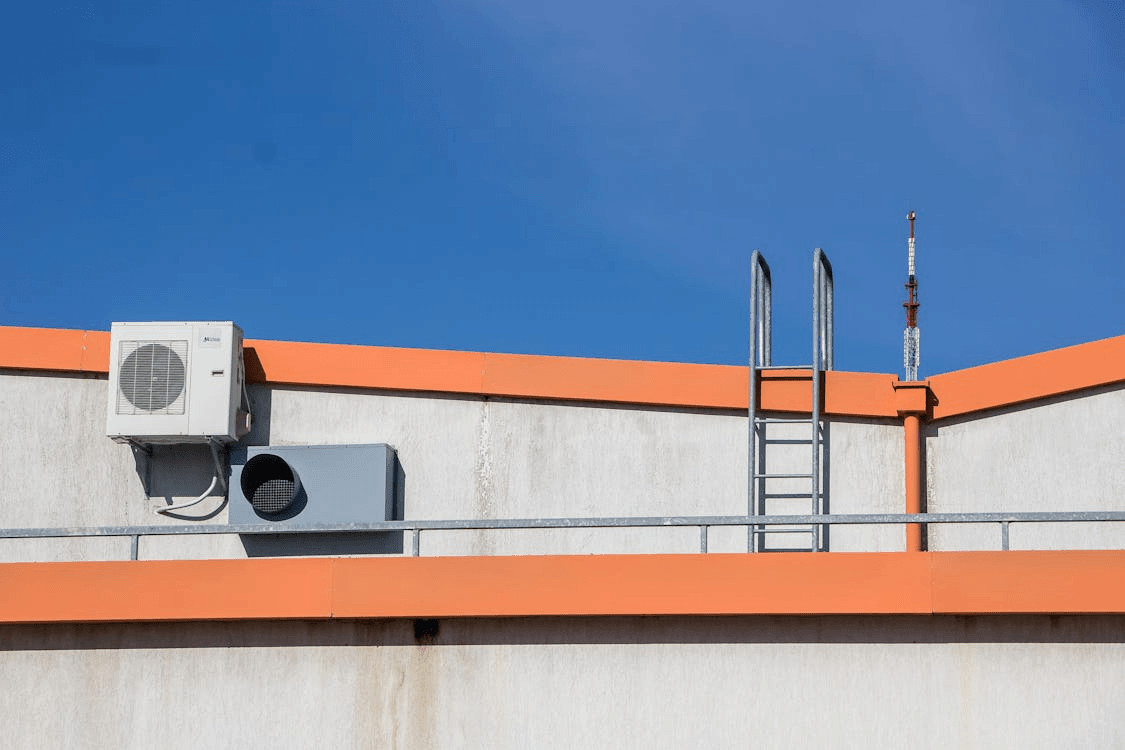
Before hurricane season arrives, the outdoor condenser coil should be inspected for debris, overgrown vegetation, and anything left behind by storms. Keeping at least two feet of clearance around the unit helps airflow stay consistent and prevents overheating during prolonged heat events.
Humidity and dehumidification performance should also be reassessed as seasons shift. The EPA humidity guidelines recommend keeping indoor relative humidity between 30 and 50 percent, a range that New Orleans homes frequently struggle to maintain without active support from the HVAC system.
Scheduling seasonal HVAC upkeep routines before peak demand hits gives homeowners a clearer picture of what the system can handle. After a storm, however, the decision-making shifts. Homeowners can safely verify that the unit is free of visible debris and that vents are unobstructed, but situations involving flood exposure, electrical irregularities, or persistent cooling loss move beyond routine upkeep and into the territory of professional air conditioning repair services. Knowing where that line falls prevents well-intentioned checks from turning into costly mistakes.
When a Simple Issue Becomes a Professional Call
Knowing when to stop troubleshooting and make a call is one of the more valuable skills a homeowner can develop. Not every HVAC problem is a filter swap or a cleared vent, and recognizing the difference early can prevent a manageable issue from becoming a significant repair.
Warning Signs You Should Not Troubleshoot Alone
Some symptoms point clearly beyond DIY maintenance territory. An HVAC technician should be contacted when any of the following appear:
- Refrigerant-related issues such as ice buildup on the unit, hissing sounds, or noticeably weak cooling output
- Electrical smells, burning odors, or repeated breaker trips
- Short cycling, where the system turns on and off in rapid succession
- Water leaks that return after the condensate drain has already been cleared
- Unusual grinding, banging, or rattling noises from the air handler or outdoor unit
After hurricane season storms, additional triggers apply. Flood exposure, direct debris strikes to the condenser coil, and suspected power surges all warrant a professional inspection before the system is put back into regular use.
DIY Mistakes That Often Make the Problem Worse
A few common DIY maintenance missteps tend to create larger repairs down the line. Scrubbing the condenser coil too aggressively can bend the fins and reduce airflow. Installing the wrong air filter, particularly one with too high a MERV rating for the system, restricts airflow just as effectively as a dirty one.
Forcing a drain line clear without understanding the blockage can push debris deeper into the line. Repeatedly resetting the thermostat or breaker after a fault is a temporary fix that delays identifying an underlying electrical or mechanical issue. When the same problem returns after a reset, that pattern is the signal to stop resetting and start calling.
How Maintenance Saves Money and System Life
Preventive maintenance is often framed as an added expense, but the more accurate way to think about it is as a cost that offsets much larger ones down the line. A seasonal tune-up typically costs a fraction of what an emergency repair runs, and it costs considerably less than replacing a compressor or an evaporator coil prematurely.
The connection between regular service and energy bills is direct. A system running with clean coils, adequate refrigerant levels, and unrestricted airflow consumes less electricity to deliver the same output. Over a long New Orleans cooling season, that efficiency difference compounds across monthly utility bills in ways that quickly outpace what a maintenance visit costs.
Humidity also plays a measurable role in wear. When a system labors in high-humidity conditions without being properly calibrated, components experience more strain than they would in a drier climate. Routine checks address the dehumidification side of performance alongside the cooling side, reducing the cumulative damage that moisture-heavy air inflicts over time.
For homeowners with a heat pump, consistent servicing is especially important. Heat pumps handle both cooling and heating, meaning year-round use accelerates wear faster than with conventional systems. Regular maintenance supports HVAC system lifespan, helps preserve any applicable manufacturer warranty, and keeps performance steady across every season the system is asked to run.
A Practical Maintenance Mindset for New Orleans Homes
New Orleans presents a climate that never fully eases up on residential HVAC systems. The combination of prolonged heat, persistent humidity, and seasonal storm exposure means preventive maintenance is not optional. It is simply what responsible ownership looks like here.
The rhythm that works best is straightforward: regular homeowner checks each month, scheduled tune-ups before peak seasons, and prompt contact with a qualified HVAC technician whenever warning signs appear. That three-part approach keeps small issues from compounding into expensive failures.
Energy efficiency, indoor comfort, and system longevity all respond directly to how consistently HVAC maintenance is handled. Homeowners who stay ahead of the curve spend less over time and avoid the frustration of breakdowns during the months when New Orleans heat is at its most unforgiving.