
Home feature selection is not only about following latest trends or basing it on personal taste. It is beneficial for homeowners to choose home features that offer long-term value, meaning features that will continue to serve their purpose through time.
No matter whether you are thinking about renovating or making minor adjustments, it is essential to choose the right features in order to make your life easier and also increase the value of the property. Issues like durability, maintenance, energy saving and other considerations should play an important role in choosing features.
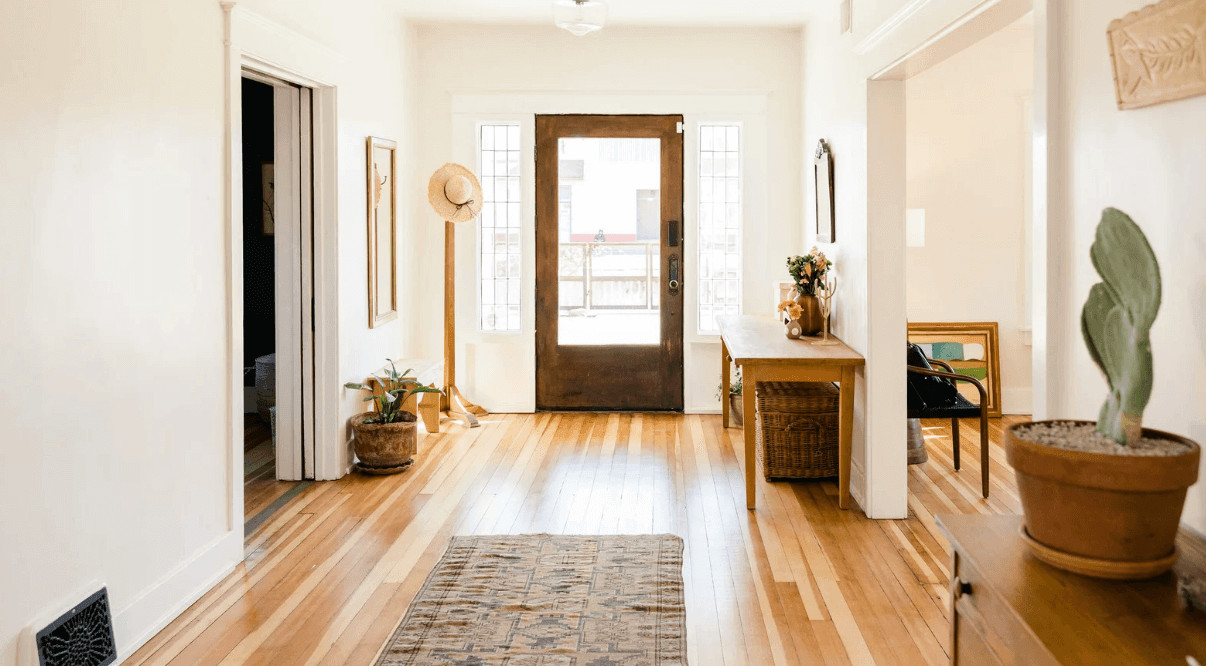
Prioritizing Everyday Functionality
One of the main criteria that homeowners need to take into account when selecting house features is their practical significance in the household. The upgrades should be designed to deal with the existing problems rather than just add beauty to the interior.
Extra storage options, effective lighting and comfortable kitchen arrangement are some of the things that can make life easier. Houseowners need to evaluate the most commonly used parts of their home and find ways to make them better. Practical features tend to have more value than purely aesthetic upgrades that cannot really serve any purpose.
Another thing about the long-term functionality of a feature is its adaptability to the changing needs of the family. The possibility to convert the extra bedroom into an office, adjust the shelves according to the new requirements and create a versatile space for living are all very good options for the future. At some point, people might need more room for working and storage.
Outdoor living space is another feature that tends to stay useful. A patio, a deck or a covered seating area gives the family more room to use, and buyers often look for it too. Weather-resistant materials keep the upkeep low.
Selecting Durable Materials
The material quality greatly affects the life of the improvements that will need to be made in the property. Flooring, kitchen countertops, cabinets, and exterior surface finishes will be subject to normal wear-and-tear. When choosing any new material for any of the improvements, durability must be a main consideration when selecting the material. Durability is determined by how well the material stands up against moisture, scratches, extreme temperatures, and regular use. Though some of the durable materials cost more at first, they are likely to decrease future maintenance expenses.
Kitchens and bathrooms deserve the most attention here, because they are used every day and buyers look at them closely. Sturdy countertops, easy-to-clean surfaces and good-quality fixtures usually outlast a trendy finish.
One must also take into consideration the maintenance aspect of the product before choosing a new one. There are certain types of finishes that need special cleaning products, regular sealing or other maintenance work to keep their appearance intact. There are some people who do not have much time to spare on their housework. They would want the surface finish that does not require as much time to maintain its appearance.
Improving Energy Efficiency
Some energy-efficient features can be a good way to invest in your home because they can help homeowners control the utility bills and keep their houses warm. It is possible to mention insulation, energy-efficient windows, programmable thermostats, and modern heaters. Before purchasing any of them, it is necessary to think about the condition of the property and find out what its weak sides in terms of energy performance are.
The heating features should be chosen according to the layout and use of the house. The example of such a feature is a gas fireplace that will not only add additional warmth but also be a good focal point for the family room. However, it is necessary to think about everything before making a decision regarding this feature.
Timeless Design: Home Features That Offer Long-Term Value
Interior designs that are influenced by transient design fads could end up becoming outdated in the event that interior preferences evolve with time. Neutral colors, minimalist finishes, and timeless architectural elements are some ways in which homeowners can ensure that the home remains relatively unchanged even in the course of time. This, however, does not mean that the homeowner is forced to shun creativity and uniqueness in the process.
Another advantage of timeless design is that it helps increase the attractiveness of the property in case the homeowner wishes to sell off the property in future. Future potential buyers prefer a house whose interior design is unified, functional, and well-kept. In this way, timeless design will enable the owner to create a home that will appeal to all types of buyers.
It also helps to look at what is common in the neighborhood. A feature buyers expect in one area may matter less in another, so local listings or a real estate agent can show which features are worth the cost.
Selection of features in a home which have long-term benefits entails the need to consider functionality, durability, efficiency, and design. If one focuses on making functional improvements in a home, it will be possible for them to avoid high maintenance in the future and make their homes more livable. It is also important for the changing needs of the home and its total appeal to be considered.

