Most backyards feel fine until dusk hits and the shadows get busy around steps. That is usually when little hazards show up, like a slick paver, a loose hose, or a dim corner. If an older parent loves fresh air, those small issues can start limiting their time outside. I have seen it happen quietly, one cautious step at a time. So what can you do to help create a safe outdoor space for seniors?
I like treating outdoor safety like any good home project, start with the route people actually take. While you are tightening railings and setting lights, it also helps to have a backup plan for the rare scary moment. That is where something like a Life Assure necklace fits in naturally, since it can pair outdoor time with fall detection and GPS support. It is not about fear, it is about keeping the yard usable.
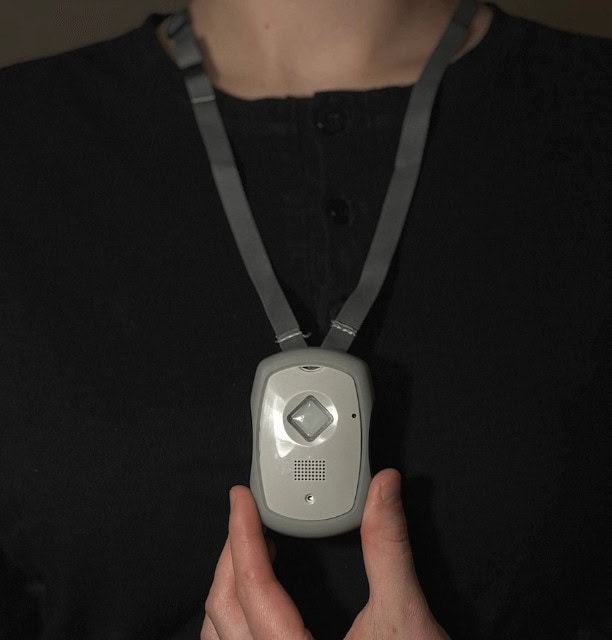
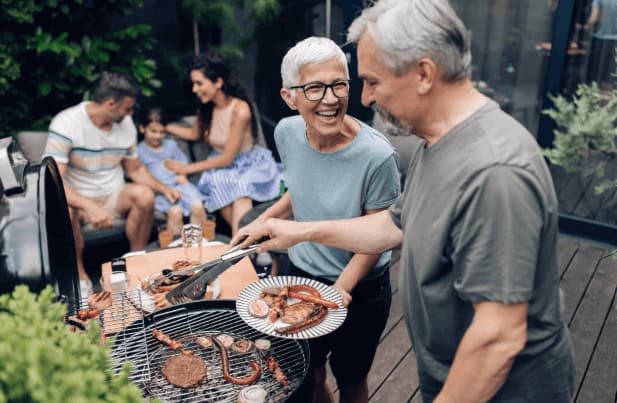
Photo by Life Assure
Start With The Walking Route, Not The Patio Set
The safest outdoor space begins with a simple map of daily movement. Think front door to mailbox, back door to grill, and the path to a favorite chair. Walk it slowly and notice where you glance down or shift your feet. Those are the spots worth fixing first.
Level changes are the biggest troublemakers, especially one step that looks like flat ground. A bright porch light helps, and so does a clear edge on each step. If you want ideas for practical lighting layouts that still look good, this guide on creating a functional outdoor space has a few useful angles. The goal is simple, fewer surprises underfoot.
Surface grip matters more than people expect, even on “nice” concrete. Algae, pollen, and sprinkler overspray can turn a clean walkway into a skating rink. A textured sealer, non slip strips on steps, or a rubber tread on wood stairs can add traction. For a solid checklist style overview of common fall risks, the National Institute on Aging has a helpful page on preventing falls at home.
Build Stability Into Steps, Rails, And Transitions
Steps should feel boring, and boring is a compliment here. If any tread rocks, sinks, or has a cracked edge, it is worth addressing sooner rather than later. Wood stairs may need new fasteners and a stiffener block, while masonry steps may need patching and re leveling. The fix depends on the build, but the standard stays the same, no wobble.
Handrails are another big win, and they do not have to look medical. A clean metal rail, a stout wood rail, or even a discreet grab point near a lock can help. Rails that run long enough for a full grip before the first step make a real difference. If the steps are wide, rails on both sides can feel much steadier.
Transitions are where trips happen, especially at door thresholds and patio sliders. A small lip that never bothered you can catch a toe or walker wheel. Low profile threshold ramps smooth the change without looking clunky. Outdoor rugs are fine if they are large and anchored, but skip them entirely on main paths.
Light The Yard Like A Work Area, Not A Mood Scene
Outdoor lighting looks pretty, but it also works like a tool. Seniors often need brighter, more even light to judge depth and texture. That means fewer harsh spot beams and more consistent coverage along paths. A mix of overhead porch lights and low path lights usually feels comfortable.
Motion lights can help, especially for the route back inside after dark. The trick is aiming them so they do not blind anyone mid step. I also like adding a soft light near the door handle, since fumbling with keys is when balance shifts. For more suggestions that feel practical for real yards, this roundup of summer outdoor projects includes lighting as a core upgrade.
Here is a quick way to think about placement before you buy fixtures:
- Light the first and last step, plus any landing where someone pauses.
- Keep paths evenly lit, so eyes do not fight bright to dark changes.
- Add a small light near gates, latches, and hose spigots for safer handwork.
- Use warm bulbs when possible, since harsh white light can feel uncomfortable.
Where outlets are available, plug in path lights can be a good test run. Once you like the layout, you can decide what deserves a permanent install. This keeps you from drilling holes based on guesswork. It is also easier on the budget.
Add Quiet Safety Layers For Real Life Days
Even the best yard has “real life” moments, like wet leaves and forgotten tools. That is why a few quiet habits built into the space go a long way. Keep a dedicated spot for garden tools, so nothing ends up on the walkway. Add a small bench near the door, since sitting to put on shoes can prevent wobbly starts.
If your area gets storms, think about water flow and puddle zones. A small drain adjustment or a strip of gravel can keep water off the main route. For emergency planning basics that apply to older adults at home, Ready.gov has a practical page on preventing falls at home. It is a good reminder that safety is often about small home choices, repeated consistently.
Finally, talk about what happens if someone does slip, without making it heavy. A charged phone, a clear house number visible from the street, and a wearable alert device can turn panic into a faster response. If a senior is outside alone, GPS support and two way voice can matter. The point is not to hover, it is to keep outdoor time relaxing again.
A Backyard That Feels Easy To Use Again
A safe outdoor space for seniors usually comes down to smooth paths, steady rails, and lighting that makes steps obvious. Once the main route feels predictable, you can improve comfort with seating, shade, and tidy storage. Add a simple backup plan for those rare “what if” moments, and the yard feels welcoming again. The best sign you did it right is when they stop watching their feet and start enjoying the air.