When an area has several residential properties, renovation work can prove to be more complex in the event that the property is sharing a driveway. This is especially true during a design-build project, where planning, design, and construction are closely coordinated from start to finish. The layout, shortage of space, conflicting timeframes, and the constant flow of vehicles can easily build up tension between the neighbors when the expectations are not specified.
Vehicles used in construction, the deliveries of materials, and even the everyday use of the house all require the same access point, so coordination is necessary at the initial stage. Without a definite strategy, the project may be delayed and misunderstood, which will slow down the project and influence the relations between residents.
Proper planning will also keep the construction requirement and daily access at par during the renovation process.
Planning Shared Access Arrangements
The way the shared driveway will be used on a day-to-day basis should be understood before work starts on the renovation. Contractors should have an area to park their vehicles, unload their materials and turn over vehicles yet the residents also require access to carry out their usual activities. Knowing the high usage periods on each side can be used to minimize conflict and so that the space is not shared with others when needed the most.
An effective plan must indicate the parts of the driveway that should always be available and those parts that might be closed temporarily. This kind of organization eases confusion and makes workers realign their activities without interrupting neighbors. It also gives a foreseeable trend which everyone can trust throughout the construction time.
Establishing Agreement With Neighbors
One of the best methods of avoiding conflicts when sharing in a driveway renovation is open communication with neighbors. Realistic expectations can be established when both sides know the scope of work, the timelines to be expected and the frequency of vehicles. Early communication enables issues to be handled early before they escalate into bigger problems.
Formalizing the sharing of the driveway during construction can be achieved by having agreements written or oral. These agreements usually incorporate access times and temporary limitations, with the two households having reasonable utilization of the space.
Consideration at this level will ensure that the long term neighborly relationships are maintained even after the renovation has been completed.
Scheduling and Traffic Flow
It is important to control vehicle traffic in cases where different users are relying on the same driveway. Construction crews tend to be at the site early and leave at different times, and this would disrupt the normal household routine. Having a routine that is predictable on a daily basis also assists in avoiding congestion and keeps the movement orderly.
Deliveries and visiting contractors at times when there is less traffic can also help a great deal. The knowledge of when high vehicle traffic will take place by the residents will enable them to have their own departures and arrivals better planned. This will ease the strain and lessen the chance of sealing important entry points.
Managing Delivery and Contractor Access
One of the most disruptive parts of the residential renovation work is usually material deliveries. Big trucks can take a long period in the driveway, blocking access to others temporarily. The scheduling of such deliveries works wonders in avoiding sudden delays and enables more uninterrupted coordination.
The contractors must be informed on the correct way to enter and exit the shared space, in a safe and efficient manner. Clarity of instructions minimizes unwarranted moving of cars and avoids time wastage that impacts on the two households.
Temporary staging areas can be installed in certain instances in order to prevent overcrowding of the driveway in peak construction periods. Even ornamental outdoor features such as the pergola louvers on the surrounding buildings must also be taken into consideration when planning to avoid inconvenience to the movement or clearance of vehicles.
Physical Protection Measures
Unless protective measures are undertaken, heavy construction vehicles may pose a lot of wear to shared driveway surfaces. Repeated loading and turning can damage gravel, asphalt and concrete. Protective coverings or reinforced mats can be used to minimize direct impact and increase the lifespan of the surface.
It is also important to monitor surface conditions throughout the renovation period. Prevention of the cracks or displaced materials at early stages will enable prompt repairs before the damage becomes worse. This is proactive and can avoid long term repair costs and maintain the driveway in service to all users.
Setting Up Temporary Boundaries
Temporary boundaries are used to establish the areas where construction activity must be allowed, and where normal access must be provided. These limits may be established by cones, barriers or temporary fencing to direct workers and residents. Separation of zones makes it easier to avoid confusion and avoid any obstruction accidentally.
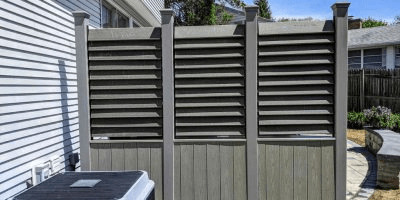
More elaborate renovation arrangements may be implemented with the use of other buildings like a louver wall that can be used to cover working places but still provide air and visibility. These installations assist in ensuring a balance in terms of privacy, safety and functionality during construction.
They also create a smooth passage of traffic by making sure that the movement is not within the areas of active work.
Communication and Conflict Prevention
Regular interaction between neighbors and contractors is necessary in preventing miscommunication when using the same driveways. Timely announcements regarding the change of schedules and delivery times or unexpected delays will assist everyone in changing their plans respectively. This helps to alleviate frustration and make everyday routines as consistent as possible.
It can be very successful through simple communication methods like sending messages to groups or having regular check-ins. By sharing information in a timely manner, minor problems can be addressed before they turn out to be conflicts. Effective communication also makes sure everyone is aware of access restrictions or alterations in availability of driveways.
Resolving Disruptions and Adjustments
Even despite thorough planning, there are still chances of unforeseen problems that may arise in the process of renovation. Access to the driveway may be temporarily hampered by weather delays, equipment problems or time schedule incongruities. Resolving these issues in a calm and swift manner is a way of keeping both sides in cooperation with one another.
Shared spaces are to be handled flexibly. Moving time around or temporarily re-allocating access can ensure that the long term conflict is avoided and the project proceeds. When modifications are to be made it is still possible to be respectful and solution focused to such an extent that the common driveway is not compromised and that the renovation process is manageable.