Keeping a house comfortable throughout changing seasons requires a reliable heating and cooling system. Modern equipment delivers consistent indoor temperatures without wasting electricity or fuel. Upgrading older units helps homeowners save money on monthly utility bills and maintain a pleasant living environment.
Smart choices in equipment selection and regular maintenance lead to long-term savings. Upgrades range from simple thermostat changes to complete equipment replacements. Taking a planned approach guarantees better indoor climate control all year round.
Understanding Modern High-Efficiency Heating Systems
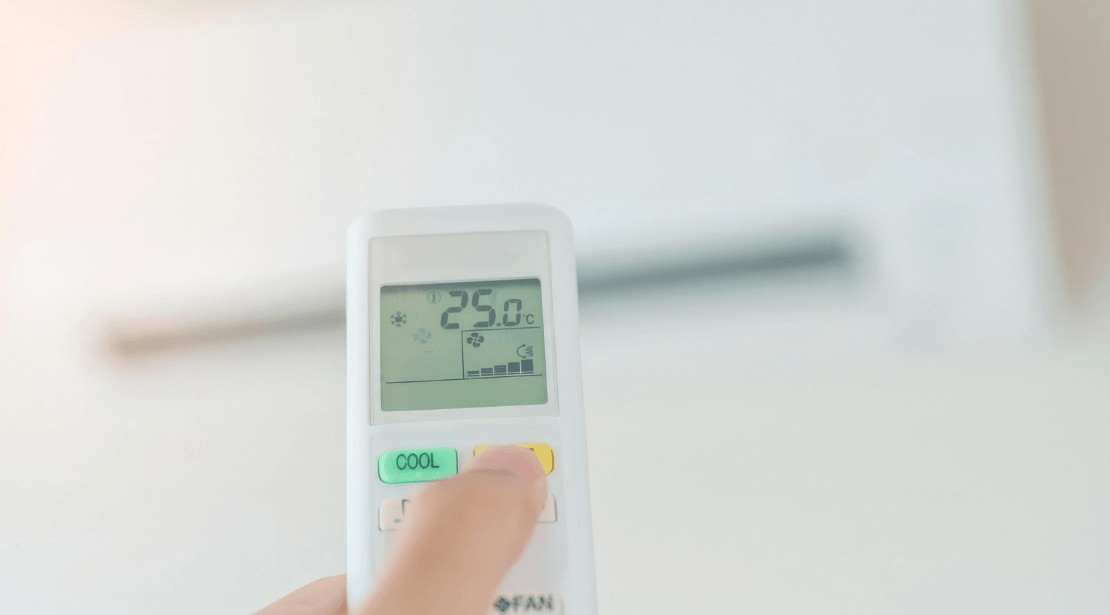
Heating equipment has advanced significantly regarding power consumption and performance. Modern units deliver precise temperature adjustments that keep living spaces cozy during cold months. Choosing efficient heating units lowers monthly utility expenses significantly.
Heat pumps represent one of the most efficient options for climate control. Federal energy studies indicate that a heat pump typically uses about half the energy of other electric home-heating sources. Replacing outdated electric resistance heaters with heat pumps cuts electricity usage instantly.
Selecting the proper size for a heating system prevents unnecessary wear on components. Systems that are too large cycle on and off frequently, which wastes power. Systems that are too small struggle to maintain comfortable conditions during winter storms.
- Heat pumps transfer heat rather than creating it through resistance.
- Variable-speed blowers match heating output to actual indoor demand.
- Lower electricity consumption directly reduces monthly utility costs.
- Modern systems operate with lower noise levels in living spaces.
Upgrading heating units improves system reliability during extreme winter cold spells. New models feature smart sensors that optimize performance without user intervention. Homeowners enjoy lower energy bills alongside reliable warmth throughout every room.
Partnering With a Licensed Contractor for Installation
Installing new climate control equipment requires specialized technical knowledge and proper tools. Qualified technicians assess home size, duct layouts, and insulation levels before recommending replacement units. Proper sizing calculations keep equipment operating efficiently for many years.
Professional guidance prevents costly mistakes during system selection and mechanical setup. Working with an experienced HVAC Contractor gives homeowners confidence when choosing new heating and cooling units. Correct installation techniques prevent air leaks and electrical issues down the line.
Expert setup guarantees that new equipment meets manufacturer specifications and local codes. Professional technicians test airflow balance and thermostat connections right after installation. Proper setup gives homeowners peace of mind and long equipment lifespans.
Improving Indoor Air Quality Through Filtration Upgrades
Indoor air quality directly impacts daily living comfort and household wellness. Dust, pollen, and pet dander accumulate inside sealed rooms without adequate filtration. High-performance air filters capture fine particles before air recirculates through living spaces.
Filter ratings determine how effectively a system removes tiny airborne particles. Environmental agency guidelines state that to verify filtration claims, homeowners should check that the filter has a MERV 13 or higher rating. Upgrading to higher MERV ratings captures tiny contaminants that standard fiberglass filters miss.
Replacing air filters on a regular schedule protects internal system components from dust buildup. Clean filters maintain strong airflow through supply registers across all rooms. Regular filter replacements protect system blowers from overheating and unexpected breakdowns.
Implementing Advanced Ventilation and Automation Controls
Proper ventilation introduces fresh outdoor air into homes without creating drastic temperature swings. Balanced ventilation units exchange indoor air for outdoor air and capture thermal energy. Controlled ventilation keeps indoor air fresh across all seasons.
System upgrades expand beyond basic mechanical heating and cooling equipment. Government building reports show high-impact retrofits include installing air economizers, heat and energy recovery ventilation, demand control ventilation, and building automation systems. These systems optimize energy use based on real-time indoor air conditions.
Automation controls adjust ventilation levels according to household occupancy schedules. Smart controls shut down excessive ventilation when rooms remain empty during work hours. Intelligent automation prevents energy waste without compromising indoor air quality.
Sealing Ductwork to Prevent Air Leakage
Duct networks carry conditioned air from heating and cooling units to individual rooms. Gaps, cracks, or loose connections in duct joints let heated or cooled air escape into attics and crawlspaces. Leaky ducts waste utility dollars and create uneven room temperatures.
Professional duct sealing fixes pressure losses throughout the ventilation system. Technicians use metal tape or mastic sealant to close open seams. Sealed ducts force conditioned air directly into living spaces where it belongs.
- Sealing air leaks balances room temperatures across all floors.
- Reduced air loss allows heating units to run shorter cycles.
- Sealing ducts prevents dusty attic air from entering living spaces.
- Proper airflow balance reduces mechanical stress on fan motors.
Upgrading Thermostats for Smart Home Energy Savings
Modern programmable thermostats offer precise control over daily home temperatures. Smart thermostats learn household routines and adjust heating schedules automatically. Setting back temperatures during sleep hours cuts monthly heating bills noticeably.
Remote access features allow homeowners to adjust settings from smartphones anytime. Lowering temperatures during time away on vacation prevents unnecessary equipment operation. Smart alerts notify users when filters require replacement or maintenance is needed.
Zoned thermostat systems allow separate temperature settings for different areas of a house. Downstairs living rooms stay cool as upstairs bedrooms remain warm. Multi-zone control eliminates unnecessary heating in unoccupied spaces.
Managing Humidity Levels for Year-Round Indoor Comfort
Indoor humidity levels strongly influence thermal comfort and energy efficiency. High summer humidity makes indoor air feel sticky and warm even when air conditioners run continuously. Whole-home dehumidifiers remove excess moisture without overcooling living areas.
Low winter humidity causes dry skin and static electricity buildup in living rooms. Integrating a whole-house humidifier into ductwork adds moisture evenly across every room. Balanced humidity allows homeowners to set thermostats lower during winter while maintaining comfort.
Controlling moisture levels protects wooden floors, cabinets, and furniture from warping or cracking. Optimal relative humidity stays between 30% and 50% throughout the entire year. Maintaining balanced indoor air moisture extends the lifespan of building materials.
Dedicated humidity control reduces the total workload placed on primary air conditioners. Systems that run without fighting extreme indoor humidity draw less power during peak heatwaves. Proper moisture balance keeps utility bills stable across hot summer months.
Investing in modern HVAC upgrades improves daily comfort and lowers monthly energy bills. Upgrading filtration, sealing leaky ducts, and installing smart controls create a healthier living space.
Upgraded systems deliver reliable performance through hot summers and cold winters. Small changes to home heating and cooling infrastructure yield lasting financial savings.