Air ducts are an essential part of your home’s heating, ventilation, and air conditioning (HVAC) system.
They circulate air throughout your living space, delivering warm or cool air while removing contaminants.
Over time, dust, pollen, pet dander, and debris can accumulate, which raises questions like is duct cleaning necessary, is duct cleaning worth it, and how often should you clean air ducts.
This guide explains what duct cleaning is, its benefits, frequency recommendations, and whether it’s a worthwhile investment in 2026.
What Is Duct Cleaning?
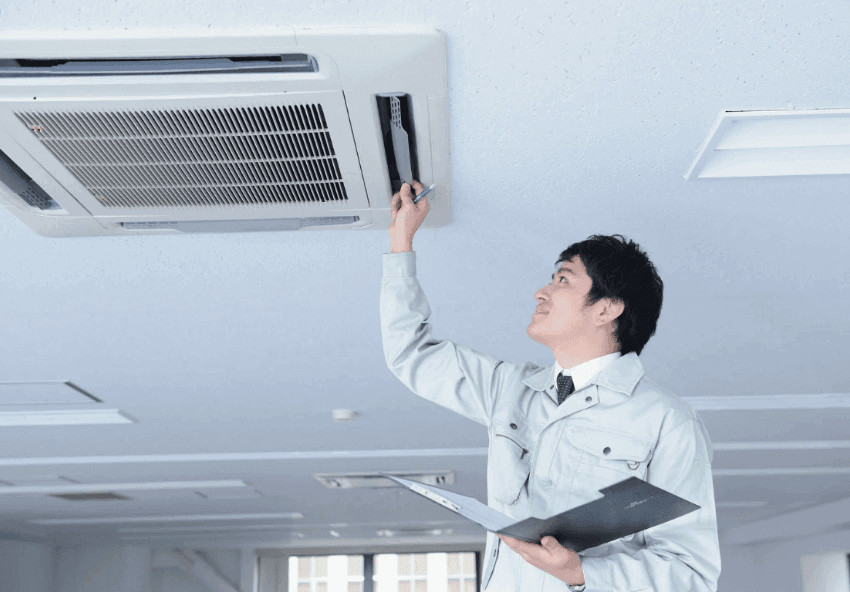
Duct cleaning is the process of removing dust, dirt, mold, and other debris from the air ducts of your HVAC system. The process typically involves:
- Inspecting the ducts for buildup
- Using specialized brushes and vacuums to remove debris
- Cleaning supply and return air vents
- Sanitizing or treating ducts if mold or microbial growth is present
Professional duct cleaning can improve airflow and system efficiency while potentially reducing allergens in your home.
Benefits of Duct Cleaning
A proper air duct cleaning offers several potential advantages:
- Improved Air Quality: Removes dust, pollen, and allergens that accumulate over time.
- Better HVAC Efficiency: Clear ducts reduce strain on the system, which can lower energy costs.
- Reduced Odors: Eliminates musty or stale odors caused by dust, mold, or pets.
- Allergy and Asthma Relief: Helps minimize triggers for sensitive individuals.
However, the extent of the benefits depends on the system, home environment, and how much debris has accumulated.
How Often Should You Clean Air Ducts?
Experts recommend duct cleaning based on home conditions rather than a strict schedule. Common guidelines include:
- Every 3–5 years: Typical interval for most homes with minimal dust or no pets.
- More frequently: If your household includes pets, smokers, or residents with allergies/asthma.
- After renovations: Construction dust or debris can settle in ducts.
- After mold detection: Any sign of mold growth in ducts warrants immediate cleaning.
- If pests are present: Rodents or insects in the duct system require professional cleaning.
Cleaning too often may be unnecessary, while infrequent cleaning can allow dust and debris to accumulate, affecting air quality.
Is Duct Cleaning Worth It?
Many homeowners ask, is duct cleaning a waste of money? or is it necessary?
When Duct Cleaning Is Worth It
- Visible mold inside ducts
- Rodent or insect infestations
- Excessive dust or debris noticed on vents or around the home
- Odors caused by contaminated ducts
When Duct Cleaning May Not Be Necessary
- The HVAC system is well-maintained
- No signs of dust buildup, mold, or pests
- Filters are regularly replaced, and airflow is normal
Regular filter replacement, proper ventilation, and periodic inspections often maintain air quality without frequent duct cleaning. In other words, duct cleaning is most beneficial when there is clear evidence of contamination.
Tips for Maintaining Clean Air Ducts
- Replace HVAC filters every 1–3 months
- Keep vents and registers free from dust and debris
- Ensure humidity is controlled to prevent mold growth
- Schedule professional inspections to detect hidden buildup
- Only hire certified duct cleaning professionals to avoid damage
Conclusion
In 2026, duct cleaning is a valuable tool for improving air quality and HVAC efficiency in specific situations. For most homes, cleaning every 3–5 years is sufficient unless there are special conditions like pets, smokers, mold, or renovation debris.
While it’s not always necessary, targeted duct cleaning can prevent allergens, odors, and system strain, making it worthwhile for homes with higher dust or contamination risks.
By combining professional duct cleaning with proper filter maintenance and humidity control, homeowners can maintain healthy indoor air and extend the life of their HVAC system.