Bathrooms work harder than almost any other room in the house. They handle rushed mornings, late nights, and daily routines for every member of the household. When layout, lighting, or storage fall short, the problems show up fast.
That’s why more homeowners are investing in better bathroom design. The goal is not just resale value. It is improving how the space functions every day. From better lighting to improved storage and safer layouts, thoughtful upgrades can transform a small room into one of the most efficient spaces in the home.
Instead of patching outdated finishes, many homeowners are stepping back and rethinking the entire design. They are choosing improvements that solve daily frustrations and support long-term comfort.
Function First
The bathroom used to be treated as a purely functional space. A sink, a toilet, a tub. That was enough. Now, expectations are different. Homes are used differently. People work from home more. They spend more time inside. Daily routines have become more visible.
When a room is used several times a day by every member of the household, its design starts to matter in a deeper way. Storage, layout, lighting, and accessibility influence stress levels more than most realize. A poorly placed outlet or narrow shower entry might seem minor, but over months and years, those details wear on you.
This is where thoughtful updates begin to make sense. Instead of patching old tile or replacing a single fixture, homeowners are stepping back and looking at the entire layout and opting for full-scale bathroom remodeling. They’re asking what the space needs now, not what it needed twenty years ago. It’s less about chasing trends and more about correcting daily inefficiencies that have been tolerated for too long.
Homes Are Aging, and So Are Homeowners
A large number of homes were built decades ago. The bathrooms in those houses reflect older design standards. They have shorter vanities, tight shower stalls, and limited storage. At the time, that was normal.
But households have changed. People own more personal care items. They expect better lighting. They also plan to stay in their homes longer. Aging in place is not just a buzz phrase; it’s a practical decision for many families.
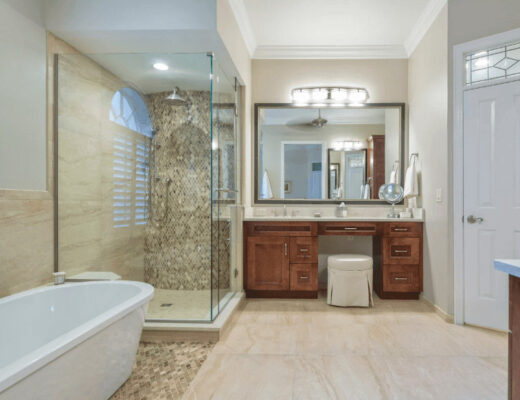
Designing a bathroom that supports changing mobility needs without looking clinical requires planning. Walk-in showers with low thresholds, wider entries, and slip-resistant flooring are becoming more common. These features don’t stand out visually, but they quietly improve safety.
Homeowners are realizing that waiting until an injury forces change is not ideal. Planning ahead feels smarter.
The Shift Toward Comfort and Calm
Bathrooms are no longer seen only as task spaces. They are becoming places of pause. Not in a dramatic, spa-like way for everyone, but in subtle ways.
Soft lighting, neutral tones, and clean lines create a calmer start and end to the day. Even small upgrades like better ventilation or a quieter exhaust fan make the room feel more comfortable.
After years of constant digital noise and packed schedules, people are drawn to spaces that feel steady. The bathroom, though small, offers that opportunity. It’s one of the few rooms where you can close the door and reset. This doesn’t require marble slabs and oversized tubs. It requires intentional choices.
Storage Is No Longer Optional
Consumer habits have changed. Bathroom counters used to hold a toothbrush and maybe a comb. Now they carry skin care products, hair tools, electric razors, medications, and charging cords.
Without adequate storage, clutter takes over. Clutter creates visual stress. And visual stress has a way of affecting mood, even if you don’t consciously register it.
Built-in shelving, deeper drawers, and recessed niches inside showers are becoming standard requests. These changes are practical, not flashy. They simply match how people live today.
When everything has a place, the room feels larger than it actually is.
Energy Efficiency and Maintenance
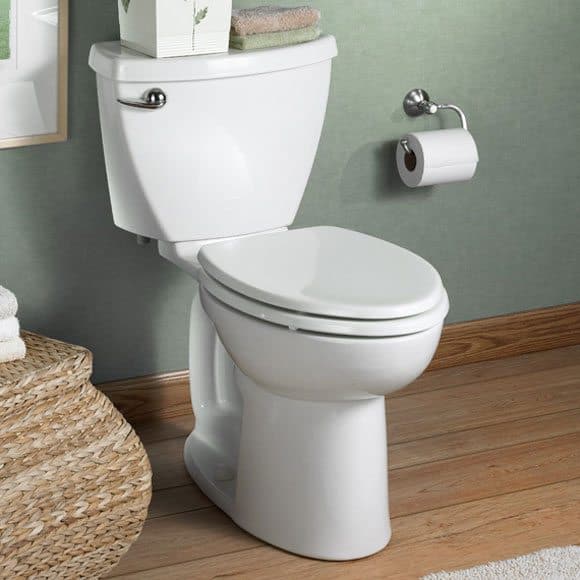
Another factor driving investment is long-term efficiency. Water-saving fixtures reduce utility costs. Modern toilets use less water without sacrificing performance. LED lighting lasts longer and consumes less power.
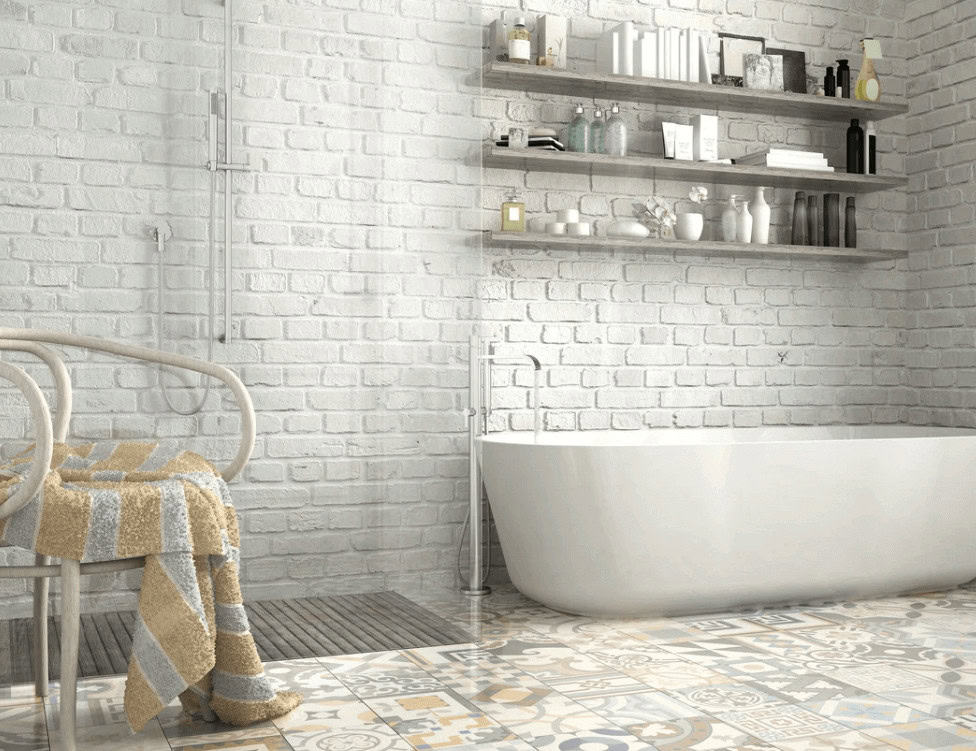
At the same time, low-maintenance materials are in demand. Homeowners are tired of scrubbing grout lines or dealing with peeling laminate. Solid surfaces and easy-clean finishes simplify upkeep. Time has become a valued resource. If a bathroom can be cleaned quickly and hold up well under daily use, that alone can justify the investment.
Resale Value Still Matters
While daily comfort is a strong motivator, resale value remains part of the equation. Bathrooms and kitchens are often the first areas buyers evaluate. An outdated bathroom can make a well-maintained home feel neglected.
Even homeowners who don’t plan to sell soon understand that market perception matters. Neutral design, updated fixtures, and functional layouts appeal to a broader range of buyers. The goal isn’t to over-personalize. It’s to create a space that feels current without being trendy in a way that dates quickly.
Technology Is Subtle but Present
Smart mirrors with built-in lighting, touchless faucets, and improved ventilation systems are quietly entering more homes. These features aren’t always obvious at first glance, but they improve usability.
Technology in the bathroom works best when it supports routine rather than complicates it. Controls should be intuitive. Adjustments should feel natural. Homeowners are less interested in novelty and more focused on reliability. A feature that reduces effort earns its place.
The Emotional Side of Practical Design
There’s also an emotional layer to this shift. Investing in a bathroom update can feel like reclaiming part of the home that has been neglected. It signals care.
In a time when many people postponed travel or major lifestyle changes, investing in the home became a substitute. Instead of upgrading cars or booking trips, some chose to improve the spaces they use daily. That shift doesn’t appear dramatic from the outside. But inside the house, it changes how mornings begin and evenings end.
Bathroom Upgrade Checklist: Start With These Improvements
Before selecting tile or paint colors, focus on upgrades that improve function first. A successful bathroom remodel solves problems before it adds style.
1. Improve Layout and Clearance
- Ensure there is enough space between fixtures.
- Consider replacing bulky tubs with walk-in showers.
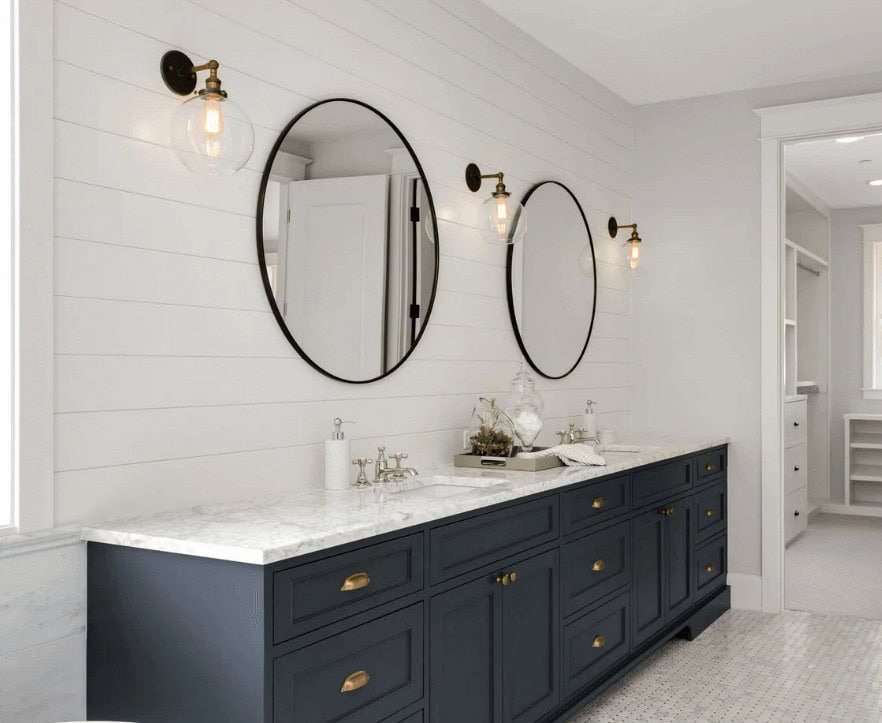
- Upgrade to a double vanity if two people use the space daily.
Even small layout changes can reduce congestion and improve flow.
2. Upgrade Lighting
- Install layered lighting with overhead, task, and mirror lighting.
- Choose LED bulbs in the 2700K to 3000K range for natural warmth.
- Add dimmer switches for flexibility.
Proper lighting improves both usability and comfort.
3. Add Practical Storage
- Install deeper drawers instead of shallow cabinets.
- Add recessed shower niches for soap and bottles.
- Use built-in shelving instead of relying on freestanding organizers.
Storage should reflect how people actually use the space today.
4. Improve Ventilation
- Replace outdated exhaust fans with quiet, high-efficiency models.
- Ensure proper venting to reduce humidity and prevent mold.
Good ventilation protects both finishes and air quality.
5. Increase Safety and Accessibility
- Install slip-resistant flooring.
- Use curbless or low-threshold shower entries.
- Reinforce walls for future grab bar installation if needed.
These upgrades improve long-term livability without sacrificing design.
6. Choose Low-Maintenance Materials
- Select large-format tile to reduce grout lines.
- Consider solid surface counters.
- Install water-efficient fixtures to lower long-term costs.
The best remodels balance appearance with durability.
Conclusion
Investing in better bathroom design projects is no longer about following trends. It is about solving everyday problems with better design.
Improved layout, smarter storage, efficient lighting, and durable materials create a space that works harder and lasts longer. These upgrades increase comfort now while protecting resale value later.
A well-designed bathroom does not need to be oversized or dramatic. It needs to function well, feel comfortable, and hold up under daily use. When homeowners focus on practical improvements first, the results speak for themselves. The bathroom becomes one of the most reliable and efficient rooms in the home.