A lawn sweeper can transform a tedious yard cleanup into a fast, satisfying task. But one question most homeowners overlook is how often the hopper needs to be emptied during a single session. The answer is rarely “just once.”
In fact, the frequency depends on several variables that change from yard to yard and season to season. Understanding those variables helps a homeowner plan a cleanup more efficiently, avoid interruptions, and get the most out of every pass across the lawn.

What Determines How Quickly a Lawn Sweeper Hopper Fills Up
Before a homeowner can predict how often to empty the hopper, they need to understand what drives fill rate in the first place. Several interrelated factors work together to either slow down or accelerate how quickly debris accumulates inside the collection bag.
Yard Size, Debris Type, and Hopper Capacity
Yard size is the most obvious factor. A small suburban lawn of a quarter acre or less may only require one or two empties per session, while a larger property can push that number to five or more. But yard size alone does not tell the whole story.
Debris type matters just as much. Dry, lightweight leaves take up more volume than they do weight, so they fill the hopper faster than heavier materials like wet grass clippings or pine needles. Grass clippings, by contrast, are denser and compress more easily, which means the hopper can technically hold more before it needs attention. Those who check lawn sweepers for yards with mixed debris, such as leaves combined with twigs and seed pods, often find the hopper fills in unpredictable bursts rather than at a steady pace.
Hopper capacity also sets the baseline. Entry-level sweepers typically offer bags in the 7 to 12 cubic foot range. Mid-range and professional models can hold 25 cubic feet or more. Naturally, a larger hopper extends the time between empties, but it also adds weight to the unit once full, which can make the sweeper harder to push or pull.
Seasonal Factors That Affect Fill Rate
The time of year has a direct impact on how fast the hopper fills. In autumn, when trees drop massive quantities of dry leaves over a short period, a homeowner may need to stop and empty the hopper every few minutes during peak leaf fall. Spring cleanups tend to involve lighter debris loads, including small twigs, scattered seed pods, and the first mow’s worth of clippings, so the fill rate is generally slower.
Summer sessions are often the quickest of all. With regular mowing and less natural leaf drop, the hopper may only need one or two empties, even on larger lawns. Winter cleanups, in climates where they occur, involve wet and matted debris that compresses inside the hopper and actually extends the time between empties, though it increases the physical effort required to dump the load.
How Often to Empty the Hopper During a Typical Cleanup Session
For a standard residential yard cleanup, most homeowners find they need to empty the hopper between two and six times per session. That is a wide range, but it reflects the variety of real-world conditions people deal with.
On a medium-sized lawn of roughly half an acre during autumn leaf season, three to four empties per session is a reasonable expectation. For a smaller lawn with modest debris, one or two empties may cover an entire cleanup. On the other end of the scale, properties with heavy tree cover in the fall can require stopping every 10 to 15 minutes, which adds up to six or more empties over the course of a two-hour session.
A helpful general rule is to empty the hopper before it reaches maximum capacity, not after. A hopper stuffed beyond 80 to 90 percent full starts to lose suction efficiency and may leave debris behind rather than collect it. Hence, a homeowner who empties the hopper at roughly 75 percent capacity will actually get cleaner results with fewer total passes. The slight inconvenience of more frequent empties pays off in better overall performance.
Signs Your Hopper Needs Emptying Before It Overflows
Most lawn sweepers do not come with fill-level indicators, so knowing when to stop and empty the hopper comes down to observation. Fortunately, there are several clear signals that make the decision easy.
The first sign is reduced pickup. If the sweeper starts leaving trails of debris behind that it previously collected without issue, the hopper is likely too full to accept more material. The brushes may still spin, but without space inside the bag, debris simply falls back onto the lawn.
A second sign is the visible bulging or stretching of the hopper bag. Most sweeper bags are made from breathable fabric that allows air to pass through. As the bag fills, it stretches and the sides push outward visibly. If the bag looks noticeably rounded or taut, it is time to empty.
A third indicator is increased resistance from the sweeper. A full hopper adds weight and drag, making the unit harder to push or tow. Homeowners who use a tow-behind model connected to a riding mower may notice the mower straining more than usual. Plus, some debris may begin to spill out through the bag’s zipper or opening if pressure builds too high. At that point, the hopper has gone past its ideal emptying window.
Tips to Reduce How Often You Need to Empty the Hopper
No one enjoys stopping every few minutes to dump debris. Fortunately, a few practical strategies can extend the time between empties and make the whole cleanup process more efficient.
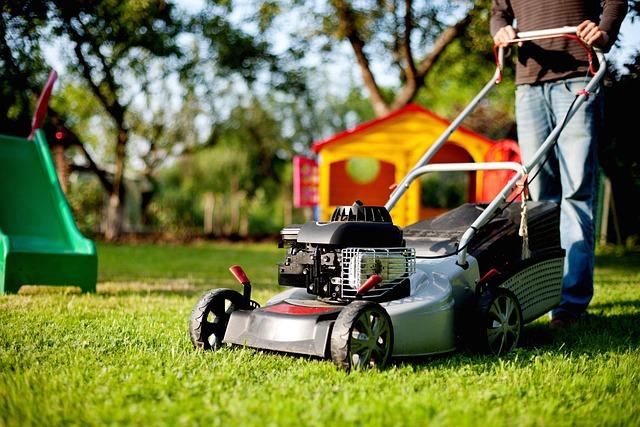
First, mow the lawn before sweeping. A mower’s discharge chute breaks down large leaves into smaller fragments, which compress more efficiently inside the hopper bag. Shredded debris takes up significantly less volume than whole leaves, so the bag fills more slowly. This single step alone can cut the number of required empties in half during heavy leaf season.
Second, choose the right pass direction. Homeowners who sweep toward a central collection point, such as a compost pile or yard waste bin, spend less time walking back and forth to dump. Efficient routing reduces overall session time and can make each dump stop feel less disruptive.
Third, consider upgrading to a model with a larger hopper capacity if frequent emptying is a persistent issue. A sweeper with a 25 cubic foot capacity will cover far more ground before needing a stop compared to a 9 cubic foot entry-level option. For properties larger than half an acre, the time savings across a full season of yard work make the investment worthwhile.
Finally, avoid sweeping in wet conditions. Wet leaves and grass clippings clump together, add significant weight, and clog both the brushes and the hopper bag more quickly than dry debris. Dry conditions produce lighter, looser material that flows into the bag efficiently and compresses well, which helps stretch the time between each empty stop.
Conclusion
The frequency of hopper emptying is not a fixed number. It shifts based on yard size, debris type, hopper capacity, and the time of year. For most homeowners, two to six empties per session covers the range of typical yard conditions. By recognizing the early signs of a full hopper and applying a few simple strategies, anyone can reduce downtime and finish yard cleanup faster without sacrificing results.